When to Put a Cat Down: A Vet's Quality of Life Guide
Quick answer: It may be time to put a cat down when their pain can no longer be controlled, a terminal illness is progressing, they stop eating or drinking, they can no longer use the litter tray, or they no longer enjoy the things they used to. Your vet can help you assess quality of life, and feeling guilty about the decision is very common.
Here are some key factors to consider when determining whether it's time for humane euthanasia:
1. Chronic pain and suffering
- Uncontrolled pain: If your cat is in constant pain that cannot be alleviated by medication or other treatments (e.g. due to cancer, arthritis, or other severe conditions), euthanasia might be a compassionate option. Signs of pain may include hiding, decreased activity, aggression, vocalising, or unusual behaviours.
- Difficulty moving: If your cat is unable to walk or is experiencing severe mobility problems that prevent them from doing basic activities like grooming, eating, or using the litter box, it may indicate a loss of quality of life.
2. Severe or terminal illness
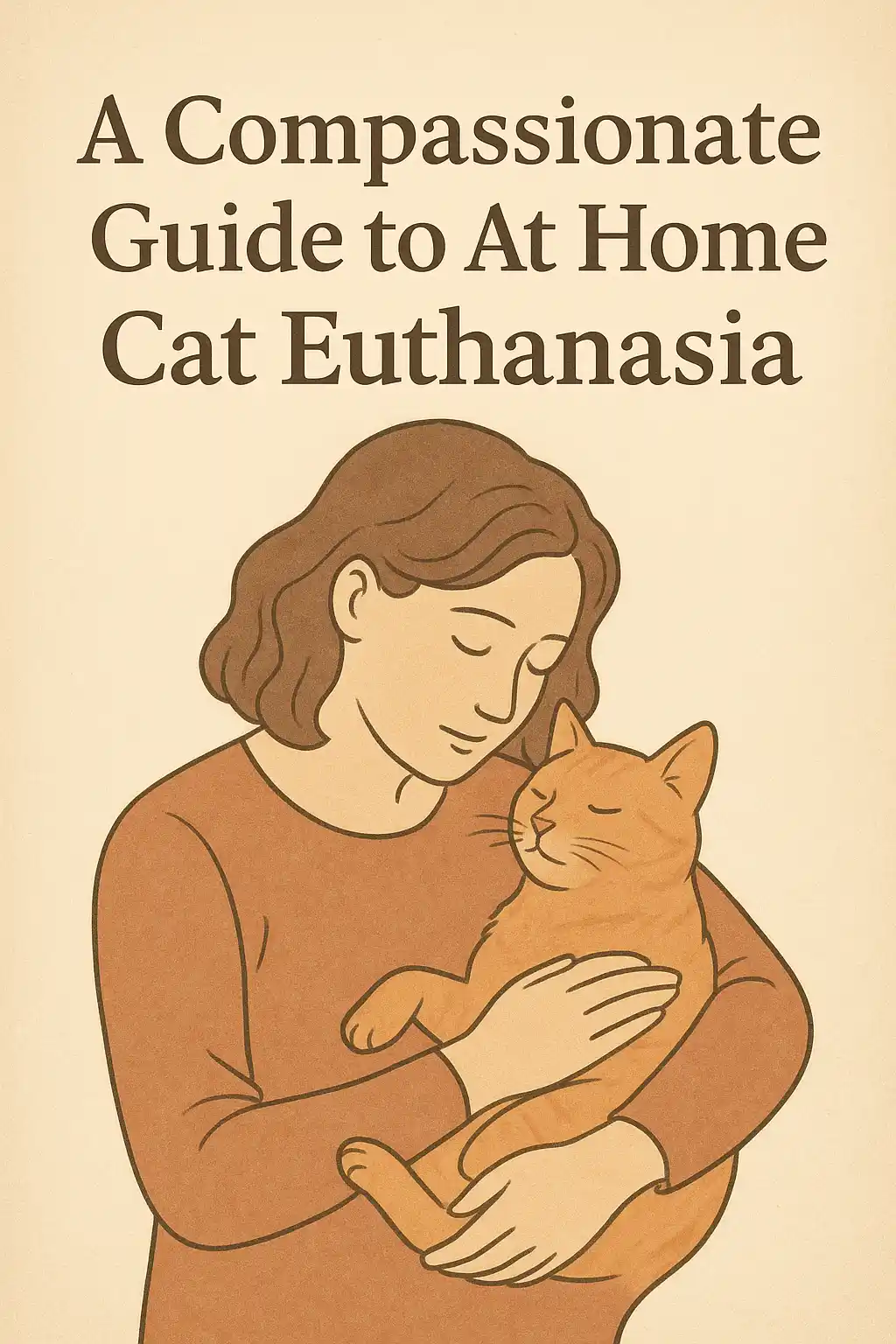
- Terminal conditions: Cats suffering from terminal diseases (such as advanced cancer, kidney failure, liver disease, or heart disease) may have a poor prognosis. If treatment options are exhausted or ineffective, and your cat is not responding to pain management, it may be time to consider to at-home pet euthanasia to prevent further suffering.
- Organ failure: As a cat ages, organs such as the kidneys or liver can fail, leading to a significant decline in health. If the condition is untreatable, and your cat is in constant pain or distress, euthanasia may be necessary.
3. Inability to eat or drink
- Loss of appetite: If your cat stops eating or drinking and is not responding to treatment, it can lead to dehydration, malnutrition, and further deterioration of their health. Prolonged inability to eat or drink can be a sign that the body is shutting down.
- Weight loss: Severe, unexplained weight loss is often a sign of a serious underlying condition. If your cat is losing weight rapidly and is unable to regain it through feeding or treatment, it can be an indicator of terminal illness.
4. Poor quality of life
- Lack of interest in favourite activities: Cats that no longer show interest in food, toys, or interacting with their owners may be suffering from a decreased quality of life. If your cat's behaviour drastically changes (e.g. withdrawal, lethargy, aggression), it may be a sign that their body is no longer functioning well.
- Hiding and withdrawal: While cats sometimes hide when they're feeling unwell, a cat that continually hides or avoids human interaction may be experiencing significant discomfort.
5. Incontinence or loss of control
- Litter box issues: If your cat is no longer able to use the litter box due to incontinence or severe weakness, it can be both physically uncomfortable and distressing for the cat, especially if they are unable to clean themselves. This can be a sign that the body is no longer functioning properly.
- Loss of control over bodily functions: If a cat can no longer control its bladder or bowel movements, it can be both physically and emotionally distressing for them, and may indicate a severe, irreversible decline.
6. Cognitive decline
- Senility or Cognitive Dysfunction Syndrome (CDS): As cats age, some develop a condition similar to dementia or Alzheimer's disease in humans. Symptoms of CDS include confusion, disorientation, vocalisation at night, and inappropriate elimination (urinating or defecating outside the litter box). If this behaviour significantly affects your cat's quality of life, euthanasia may be a consideration.
7. Behavioural or personality changes
- Aggression or unprovoked attacks: If a previously gentle cat becomes suddenly aggressive or fearful, it may indicate significant pain, neurological issues, or other health problems. While some behaviour changes can be managed, unmanageable aggression can pose a risk to other pets or family members, and the cat may be suffering.
- Unresponsiveness or severe depression: A cat that is non-responsive or appears depressed and disconnected from their surroundings may be experiencing an irreversible decline in health.
8. Inability to recover from illness or injury
- If your cat has sustained a severe injury or undergone major surgery and is not recovering well despite medical intervention, it may be time to consider cat euthanasia. Injuries that result in irreversible damage, such as a shattered limb or severe head trauma, can cause suffering and poor outcomes.
9. Consultation with your veterinarian
- Veterinary guidance: A veterinarian can provide a professional assessment of your cat's condition, offer pain relief options, and guide you through the process. They can also help you understand the prognosis and what the future may look like for your cat, allowing you to make a more informed decision.
- Quality of life scales: Many vets use a quality of life scale (such as the HHHHHMM scale) to evaluate a pet's condition objectively. This scale looks at pain, hunger, hydration, hygiene, happiness, mobility, and more to assess your cat's overall well-being.
What are the signs it's time to put a cat down?
- Difficulty breathing or laboured breathing (signs of heart or lung disease)
- Severe vomiting or diarrhoea (especially if prolonged and uncontrollable)
- Significant weight loss or extreme dehydration
- Unmanageable pain or suffering despite medication or treatment
- Complete loss of mobility and inability to care for themselves
- Severe behavioural changes, such as aggression or fearfulness
Final considerations:
The decision to euthanise a cat is deeply personal, and it's normal to feel uncertain or overwhelmed. Many owners wrestle with guilt, but remember that choosing euthanasia can be a compassionate way to prevent further suffering when your cat's quality of life has deteriorated beyond recovery. Euthanasia provides your cat with a peaceful and painless end, surrounded by love and comfort, rather than prolonging suffering or pain.
You can help ensure that your cat's final moments are peaceful by spending time with them, offering comfort, and consulting with your veterinarian about what to expect during the process. Ultimately, your cat's well-being and dignity should guide the decision, and making that choice with love and care is the most important thing.
Frequently asked questions
Is incontinence a reason to consider euthanasia for a cat?
It can be one factor. If a cat can no longer use the litter tray because of incontinence or severe weakness, it can be uncomfortable and distressing for them. Talk it through with your vet.
Can cats get dementia?
Yes. Some older cats develop Cognitive Dysfunction Syndrome, which is similar to dementia in people. Signs include confusion and disorientation.
Is it normal to feel guilty about deciding to euthanise my cat?
Yes. Many owners wrestle with guilt, and it is normal to feel uncertain or overwhelmed. Choosing euthanasia can be a compassionate decision.
Sources
By Dr Sarah webb - BVSc, registered veterinarian
Last updated on 14th November 2026
About the author


Dr Sarah Webb is a Melbourne-based veterinarian and Charles Sturt University graduate with experience across mixed practice, locum work, and mobile veterinary care. She has a special interest in poultry and backyard chicken health, alongside her work supporting dogs, cats, and other animals. Dr Sarah brings a practical, compassionate approach to veterinary care and is also passionate about mental health and wellbeing within the veterinary profession.
Our company
Open 7 days a week from 6:00am to 11:00pm including public holidays
© 2026 Pawssum Pty Ltd. All rights reserved.