My Cat Won't Eat: A Critical Guide for Concerned Pet Owners
Being a cat parent means dealing with picky eaters now and then. Missing one or two meals isn't always alarming, yet if your kitty stops eating completely, that’s usually linked to illness. Cats aren’t like dogs - they can’t handle going hungry for days. When they suddenly won’t touch their food - or just take tiny bites - it’s time to pay close attention.
Here’s Pawssum’s clear take on why a cat skipping meals matters, signs that mean trouble, plus steps you can try.
Why a Cat Not Eating Can Be Serious ?
Cats can be fussy from time to time, but a cat that suddenly stops eating should always be taken seriously.
If your cat has not eaten for 24-36 hours, it is best to contact a vet for advice rather than waiting several more days. Cats can become unwell quickly when they are not eating, especially if they are overweight, elderly, already sick, or showing other symptoms.
The first step is usually to work out why your cat is not eating. A vet will think about pain, nausea, dental disease, gut problems, stress, infection, kidney disease, urinary issues, and other medical causes.
If a cat goes without enough food for several days, especially around 3-7 days, one possible complication is hepatic lipidosis, also known as fatty liver disease. This is a serious condition where the body starts mobilising fat too quickly and the liver struggles to process it. It can become life-threatening without treatment, but early veterinary care can make a big difference.
The bottom line: if your cat will not eat, do not panic but do not ignore it. Getting advice early is the safest approach.
Common Reasons Your Cat May Not Be Eating
Inappetence in cats means they are not eating normally. It is a symptom, not a diagnosis. The cause can be simple, such as a sudden food change, or more serious, such as pain, nausea, organ disease, or a urinary problem.
Medical issues
A health problem is one of the most common reasons a cat stops eating.
Dental pain can make eating uncomfortable. Sore gums, broken teeth, mouth ulcers, infections, or oral disease can make a cat approach food, sniff it, and then walk away because chewing hurts.
Gut problems can also reduce appetite. Cats may feel nauseous from inflammatory bowel disease, worms, pancreatitis, infection, constipation, or an obstruction. Obstructions can happen when cats eat things they should not, such as string, hair ties, toys, fabric, plastic, or other foreign objects. This behaviour is sometimes referred to as pica, and it can be dangerous if the object becomes stuck.
Other medical causes include kidney disease, diabetes, thyroid disease, fever, pain, infections, liver disease, and some cancers. If your cat is not eating for more than a day, or is also vomiting, losing weight, hiding, weak, jaundiced, or not urinating normally, they should be assessed by a vet.
A blocked or stuffy nose can also affect appetite. Cats rely heavily on smell, so if they cannot smell their food properly, they may refuse to eat.
Environmental, diet and stress-related issues
If your vet is less concerned about a medical cause, appetite changes may be linked to your cat’s environment, routine, or food.
Cats can be sensitive to texture, smell, temperature, and flavour. A rapid diet change can cause gut upset, nausea, or food refusal, especially if the new food is introduced suddenly. Some cats also reject new food simply because it is unfamiliar.
Stress can also reduce appetite. Moving house, visitors, renovations, a new baby, a new pet, changes in furniture, loud noises, or conflict with another animal can all affect a cat’s willingness to eat.
Food bowl placement matters too. Many cats prefer to eat in a quiet area away from litter trays, water bowls, dogs, busy walkways, and other cats. Some cats also dislike deep or narrow bowls because of whisker sensitivity, so a shallow bowl or flat plate may help.
🐈 Next Steps to Protect Your Feline Friend
If your cat won’t eat, that’s a big deal - get help fast. Skip waiting; protect their health instead.
➡️ Book an At-Home Veterinary Consultation to have your cat examined without the stress of a clinic visit, or contact an emergency vet if the situation is critical.
By Dr Sarah webb - BVSc, registered veterinarian
Last updated on 4th May 2026
About the author

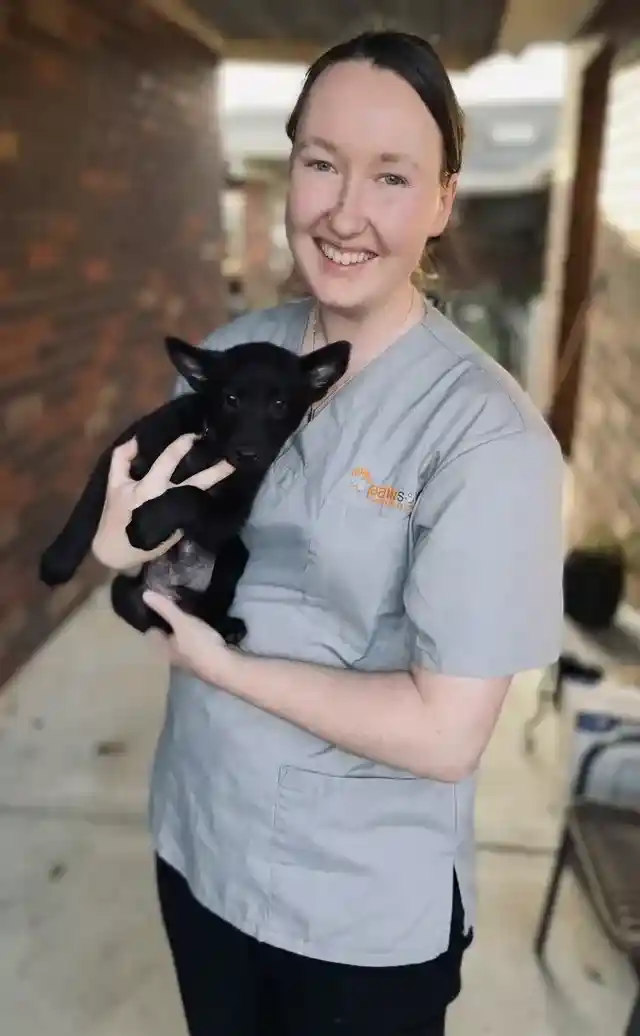
Dr Sarah Webb is a Melbourne-based veterinarian and Charles Sturt University graduate with experience across mixed practice, locum work, and mobile veterinary care. She has a special interest in poultry and backyard chicken health, alongside her work supporting dogs, cats, and other animals. Dr Sarah brings a practical, compassionate approach to veterinary care and is also passionate about mental health and wellbeing within the veterinary profession.
Our company
Open 7 days a week from 6:00am to 11:00pm including public holidays
© 2026 Pawssum Pty Ltd. All rights reserved.