Preparing Your Pet for End of Life: A Gentle Guide
Preparing your pet for end of life is something that no pet owner wants to think about. Perhaps your dog has slowed down significantly this year or your cat has developed a condition that is proving to be unmanageable. Thinking about their future now will allow them to pass peacefully and it'll take away that stress of having to make a big decision in the midst of the moment.
This article will guide you through everything to consider when preparing your pet for end of life.

Understanding Your Pet's Quality of Life
The first thing you should do is learn to identify your pet's level of comfort.
Ask your vet to explain how your pet is doing, what they think will happen next and what they are doing to manage their pain. Ask as many questions as you like. Ask about their appetite and movement, how well they are sleeping and if they enjoy the things they used to enjoy.
Some vets utilise a quality of life scale to help owners understand what their pet's levels of comfort, mobility and happiness are and how these factors may change over time. Keeping a score on this chart can help you identify trends, as pets can be quite subtle when it comes to showing us their discomfort.
Signs your pet may be nearing end of life
All animals are different and will show signs of decline in different ways, but these are some common indicators that your pet may be nearing the end of their life that you should discuss with your vet:
- Eating significantly less or drinking significantly more than usual
- Having trouble with mobility or sitting up comfortably
- Experiencing frequent vomiting, diarrhoea or accidents
- Becoming reclusive or unapproachable
- Having pain that isn't being managed effectively by medication
Talking to your vet
Try to have this difficult conversation as early as possible.
Your vet can talk you through possible options to manage their pain and improve their comfort as well as what to expect as time goes on. It's also important to make arrangements now, so you're not making rushed decisions in the middle of a crisis. When the time comes, you'll be surprised how quickly everything can happen.
Some important questions to ask are:
- What can we do to make sure they're comfortable and have minimal pain?
- Will they need assistance eating or drinking?
- What are the signs that it's time to say goodbye?
- How does the at-home euthanasia service work?
Keeping your pet comfortable
Now that you're making plans for your pet's future, give them the comfort and space that they need. A few small adjustments in your home can make a big difference and help make your pet feel as safe and happy as possible in their final days. Try to:
- Create a warm, comfortable space for them to relax without any draughts
- Ensure they always have access to fresh water and consider smaller, more frequent meals
- Lay non-slip mats or rugs on hard floors to ensure their safety
- Pats, brushing or massage
- Keep their daily routine predictable and simple
Always consult with your vet before making any big changes to their medication or diet.
Preparing your pet for end of life
Involving the family
Everyone in the family will handle your pet's passing differently and allow them to spend time with your pet while they're still with us. Kids may understand loss differently, so be completely honest with them using terms they can relate to. Discussing your pet's passing with the whole family ahead of time is important, so they're all prepared for what will happen.
Choosing home or clinic
Once you've decided it's time to say goodbye, it's time to make some practical arrangements. Discuss your options with your vet and make sure you know what you'd like to happen on the day. Many families choose to have an at-home euthanasia service, where a vet comes to your house to say goodbye. Some prefer a more private room at their local vet clinic. Either way, make sure you choose an option that makes you and your pet feel as comfortable as possible.
At Pawssum, our at-home euthanasia service is $399 all-inclusive. Our vets are available 6am-11pm, 7 days a week, so you can choose a time that suits you.
A special last day
It's also important to spend a special day with your pet, doing things they enjoy. Some families like to make a day of it, taking a slow walk to their favourite spot or having some extra cuddles on the couch. make sure your pet is comfortable and to try to fill their final day with as much positivity as possible. Some may prefer a more simple goodbye in the comfort of home. There are no right or wrong ways to spend your pet's last day. What's most important is making sure your pet is given all the comfort and love they deserve in their final hours, surrounded by the people they love.
Aftercare
It's also important to have these discussions ahead of time, so you're not put on the spot in the moment. There are a few different aftercare options available to you. The Pawssum aftercare team can discuss these options with you. Make these arrangements ahead of time, so you're not having to make any rushed decisions in the moment.
Some popular aftercare options include:
- Private cremation with ashes returned to you
- Communal cremation
- Home burial, if your council allows it
Some families like to keep mementos from their furry friend, such as a paw print or lock of fur.
Your End of Life Checklist
- Have an honest discussion with your vet about your pet's quality of life
- Decide if you'd like your pet to be euthanised at home or in the vet clinic
- Decide on who you'd like to be present
- Discuss arrangements with your vet ahead of time, such as time of day or place in the home your pet would be most comfortable, how sedation will work and what happens to your pet after
- Prepare your pet's favourite things, a comfortable space to relax or some special treats. Make sure their final days are spent feeling loved and safe
- Decide on your aftercare and any mementos you may want to keep
- Take time off work, so you can spend quality time with your pet and not feel rushed
- Make sure everyone in the family has had a chance to say goodbye
Looking After Yourself Afterwards
It's important to remember that everyone grieves differently.
You may feel a number of different emotions and it's okay to feel however you're feeling. It's normal to feel sad or even guilty. Grief takes time and be patient with yourself. It may also help to talk with someone. Discussing your passing with a friend or a grief counsellor may help you process your loss. It's also helpful to create little rituals to help you say goodbye, such as planting a tree or putting together a memory box.
Frequently Asked Questions
How do I know when it's time to say goodbye?
There are a number of signs that your pet may be nearing the end of their life. These include decline in appetite and mobility, as well as their general comfort and happiness. Your vet will be able to help you work through these concerns and give you an honest opinion on if and when it's time to say goodbye.
Can I have my pet euthanised at home?
Yes, you can. At Pawssum, we offer an at-home euthanasia service, where your pet can pass in the comfort of home with their loved ones by their side. Talk to your vet about what you'd like to happen.
Should my other pets be there?
It can sometimes help to have your other pets present, either during or after your pet's passing.
What happens to my pet after?
Pawssum aftercare team will be able to discuss aftercare with you and your family. Some popular options include private cremation with the ashes returned to you, communal cremation or home burial, where your pet is buried on your property with the permission of your council.
How Pawssum Can Help
Preparing your pet for end of life is one of the hardest things a pet owner will ever do. With the help of your vet, you can make sure your pet passes peacefully and with their loved ones by their side. Pawssum provided vet care for over 380,000 pets across the country. We're rated 4.7 stars from 2,710 Google reviews.
If you're struggling with your pet's quality of life or would like to make arrangements for at-home euthanasia, book a home visit or give us a call on 0480 030 580. We're here to help.
By Pawssum. Last updated 24 September 2026.
By Dr Sarah webb - BVSc, registered veterinarian
Last updated on 24th September 2026
About the author

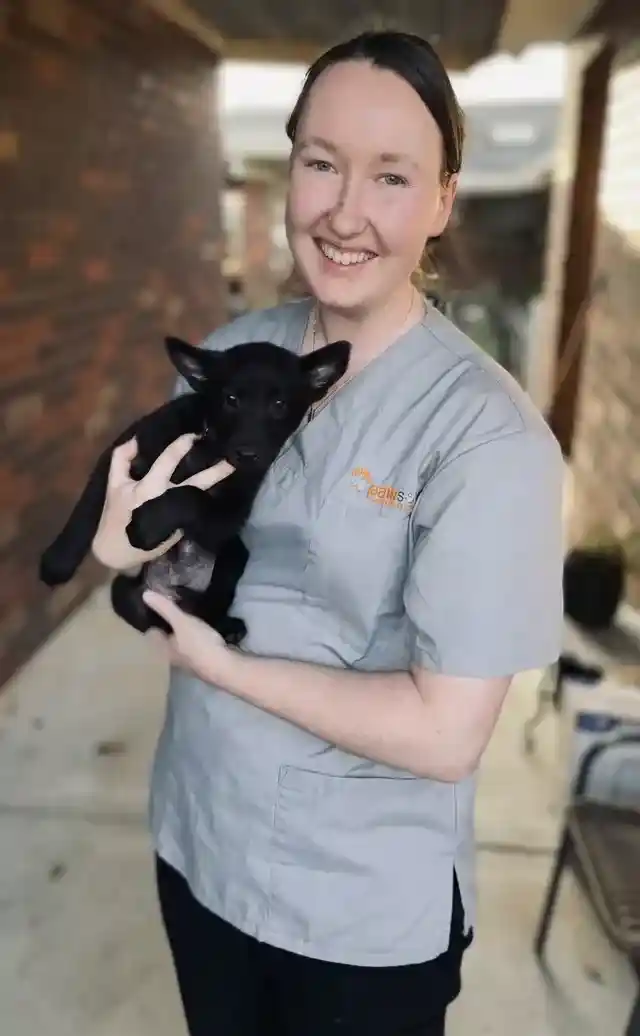
Dr Sarah Webb is a Melbourne-based veterinarian and Charles Sturt University graduate with experience across mixed practice, locum work, and mobile veterinary care. She has a special interest in poultry and backyard chicken health, alongside her work supporting dogs, cats, and other animals. Dr Sarah brings a practical, compassionate approach to veterinary care and is also passionate about mental health and wellbeing within the veterinary profession.
Our company
Open 7 days a week from 6:00am to 11:00pm including public holidays
© 2026 Pawssum Pty Ltd. All rights reserved.