Where Do Dogs Go When They Die? Comfort and Answers
When a dog dies the house feels exceptionally quiet, from the end of the morning walk, the swish of a tail on the floorboards and the face waiting at the front door, all seemingly at once. It's natural to wonder where dogs go when they die and just as natural to find that there isn't a single answer.
This guide gently covers what different faiths and traditions say, what happens to your dog's body, why so many owners feel their dogs are still close, and a few ways to remember your dog.
Where Do Dogs Go When They Die? Different Beliefs
People have pondered the question for thousands of years, and there are a number of different answers.
Christianity
Christian views are varied. The Bible doesn't give a clear answer about animals after death, but many Christians take comfort in the idea that God will renew all things, including animal life, and believe they will see their pets again.
Judaism
Judaism teaches that animals have a soul, but one different to humans, and that we are required to look after animals as a religious responsibility. Views on whether animals can live on after death vary.
Buddhism
Buddhism regards dogs, and all animals, as sentient beings, and many Buddhists believe that dogs (like all sentient creatures) are reincarnated according to their karma.
The Rainbow Bridge
For many pet owners the idea of the Rainbow Bridge serves as a beautiful reminder that pets who have passed away are safe and well. It paints a picture of a green meadow where dogs who have died are well and waiting to cross the bridge with their owners. It's not uncommon to find references to the Rainbow Bridge in sympathy cards or messages of condolence from friends.
Ancient legends
Dogs have long been associated with the afterlife, with Anubis, a jackal or dog-headed god, being the guardian of the dead in ancient Egypt. Many cultures regard dogs as being loyal guides and guardians in both life and in the afterlife.
What Happens to Your Dog's Body
As well as the important questions of where dogs go when they die, many people have practical questions about what happens to their dog's body. If your dog passes away at home, or if you decide to have your dog put to sleep, your vet will be able to assist with whatever choice you'd like to make about your dog's remains. You might consider:
- Private cremation where your dog's ashes are returned to you
- Communal cremation, where ashes aren't returned
- Burial, if your council allows it
If you want to bury your dog's body at home, be sure to check your council's regulations and that you bury them deep enough so that animals can't dig them up. Your vet will be able to talk you through the options and can organise cremation for you. It can be helpful to make a decision in advance, so you can spend your dog's final hours focusing on them rather than their remains.
Why It Might Feel Like Your Dog Is Still There
Many people feel as though they see or hear their dog after they've passed away. Some people hear the swish of the tail or the patter of little paws on the floorboards, or feel something brush against their leg or see a shadow out of the corner of their eye. If you find yourself experiencing these things, you're far from alone.
Psychologists refer to our feelings of connection to people and pets we've lost as a 'continuing bond'. Our brain is so used to us having this pet companion that it takes a long time to adjust. For some people these sensations can be upsetting. For others they're comforting. Many people also find that these interactions have a spiritual cause.

Grieving Your Dog
Losing a dog can be just as heartbreaking as losing a family member or friend. They're part of the family, part of daily life. There's no timeline for grieving a pet loss and no right or wrong way to grieve.
A few things that can help:
- Allowing yourself to be sad and not forcing yourself out of the sadness
- Talking to people about your dog and what they were like
- Keeping a photo or a place in your home dedicated to your dog
- Seeking help from a pet loss counsellor or seeing your GP
Helping Children
Be honest but gentle when talking to your children, using language they understand. Avoid terms like 'gone to sleep' as it can be confusing to younger minds. Let them ask questions and share their thoughts.
Helping Other Pets
Other pets in the home may become unsettled or search for their companion. They'll likely settle down quicker if you try to keep things as normal as possible and pay them extra attention.
Ways to Remember Your Dog
Remembering your dog can be a healing process. A few ways people have found healing include:
- Growing a plant in your garden
- Creating a little memory corner in your house with their photo and collar
- Writing a letter to your dog about happy times
- Donating to a pet home or shelter in your dog's name
Frequently Asked Questions
Do dogs go to heaven?
It all depends on your faith. Many religious people feel that they will see their pets again in Heaven and many others find solace in the idea of the Rainbow Bridge.
Do dogs have souls?
It depends on which religion you follow, many find that animals have a separate, but still real soul. Others believe that all living creatures are part of the same soul.
Why do I feel like my dog is still here?
It's a very common part of grief, psychologists call it a continuing bond. Many people also believe that it can be a spiritual experience.
How long does grief for a dog last?
There's no real answer, everyone is different. The grief will fade with time for most people, but it'll always hold a part of your heart.
Support From Pawssum
If your dog is elderly or unwell, our vets are able to visit you at home to discuss their quality of life, keep them as comfortable as possible and help them, and you, when the time eventually comes to say goodbye. We offer in-home euthanasia from $399.
Pawssum has cared for more than 380,000 pets and is rated 4.7 stars from over 2,710 Google reviews.
Book a vet for a home visit or call us on 1300 343 580, we're available 6am to 11pm, 7 days a week.
By Dr Sarah webb, BVSc, registered veterinarian. Last updated 24 September 2026.
By Dr Sarah webb - BVSc, registered veterinarian
Last updated on 24th September 2026
About the author

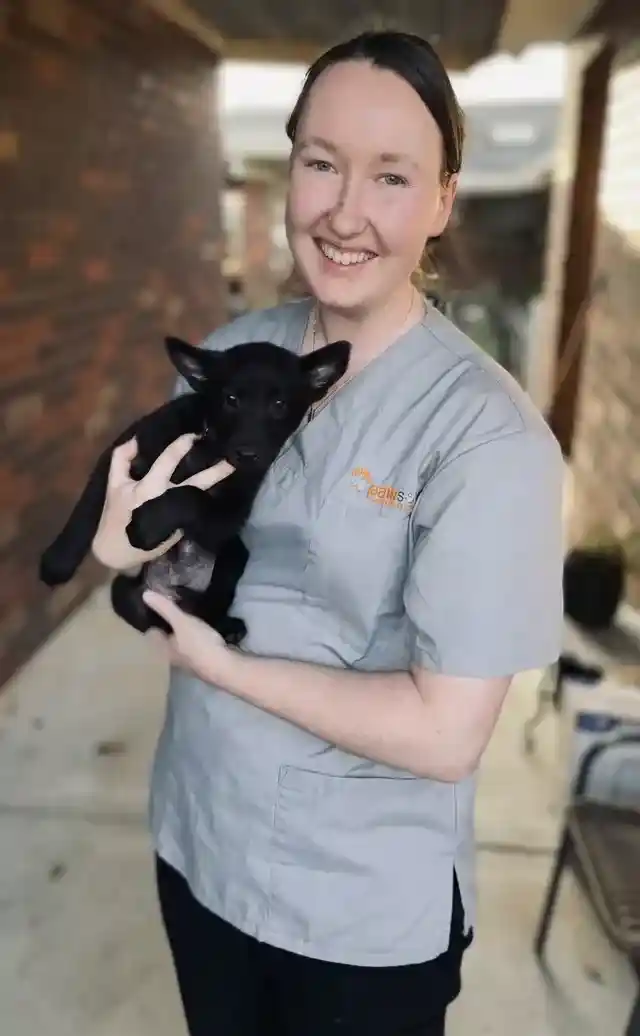
Dr Sarah Webb is a Melbourne-based veterinarian and Charles Sturt University graduate with experience across mixed practice, locum work, and mobile veterinary care. She has a special interest in poultry and backyard chicken health, alongside her work supporting dogs, cats, and other animals. Dr Sarah brings a practical, compassionate approach to veterinary care and is also passionate about mental health and wellbeing within the veterinary profession.
Our company
Open 7 days a week from 6:00am to 11:00pm including public holidays
© 2026 Pawssum Pty Ltd. All rights reserved.