Meloxicam for Dogs: Dosage, Side Effects and Safety
This guide provides general information to answer frequently asked questions. It should not replace medical advice from your veterinarian. Below, you'll learn what meloxicam is, how it's used, and important safety considerations.
1. What Is Meloxicam for Dogs?
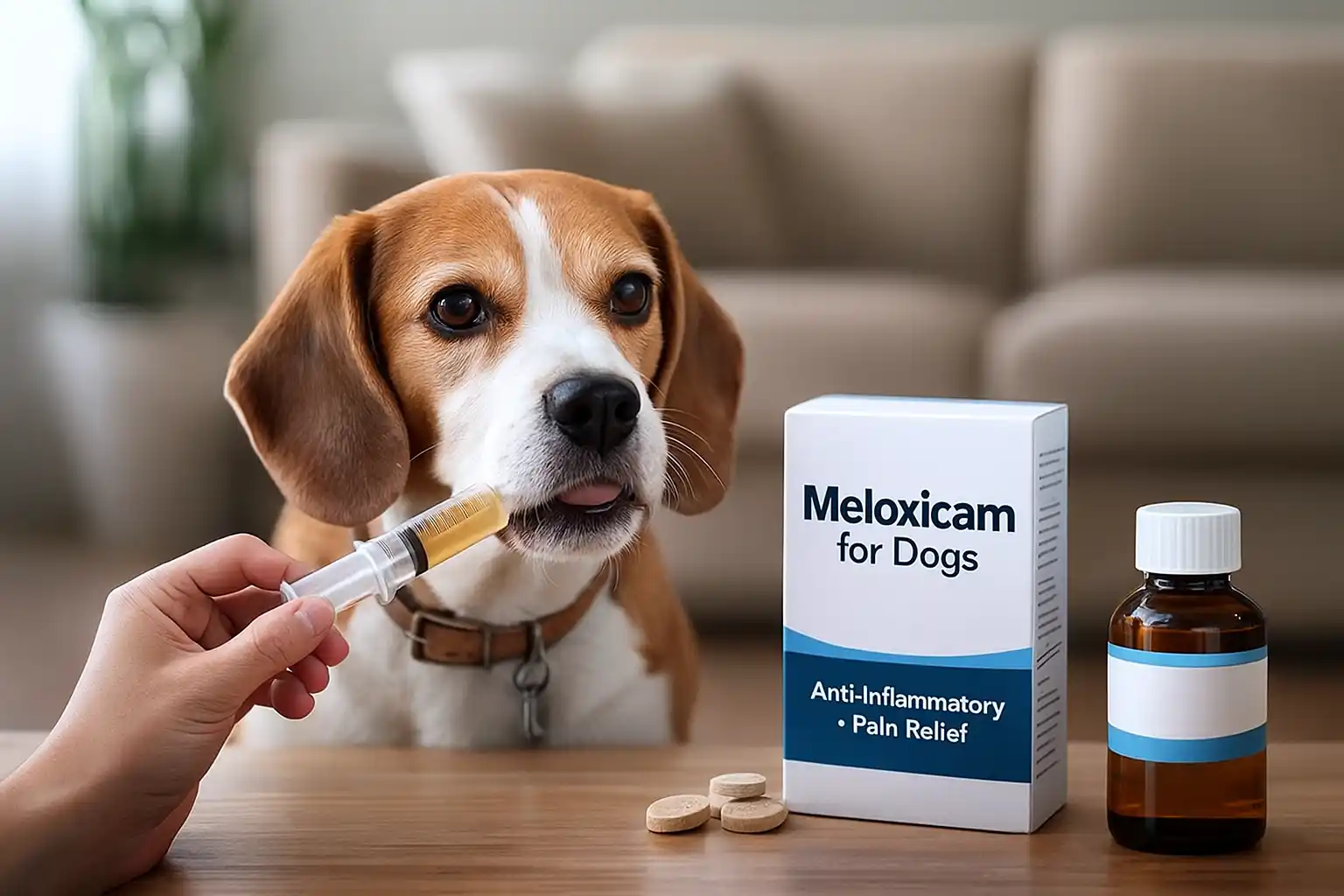
Meloxicam is a prescription pain relief medication used by veterinarians to treat pain and inflammation in dogs. It belongs to a class of drugs called non-steroidal anti-inflammatory drugs (NSAIDs).
It is commonly prescribed for:
- Osteoarthritis (a chronic, painful condition)
- Both short-term (acute) and long-term (chronic) conditions
Meloxicam comes in several forms:
- Tablets
- Chews
- Oral liquid
- Injectable solution (veterinary use only)
Common brand names: Loxicom, Metacam, Metacoxx
⚠ Formulations vary in strength always follow your veterinarian's instructions carefully.
2. How Does Meloxicam Work?
Meloxicam works by blocking enzymes responsible for inflammation in the body.
Inflammation is the body's natural response to injury or illness, but when it becomes chronic, it can:
- Delay healing
- Prolong pain
- Cause long-term damage
By reducing inflammation, meloxicam helps relieve pain and improve comfort.
3. Common Veterinary Uses
Meloxicam is widely used in veterinary medicine to manage:
- Osteoarthritis and joint pain
- Post-operative pain
- Soft tissue injuries (sprains, strains)
- Dental pain
- Chronic inflammatory conditions
Why it's helpful:
- Improves mobility in older dogs
- Reduces post-surgery discomfort
- Supports recovery from injuries
4. Benefits of Meloxicam for Dogs
- Effective pain relief
- Improved mobility and activity levels
- Reduced swelling and inflammation
Many dogs especially seniors experience a noticeable improvement in quality of life.
5. Is Meloxicam Safe for Dogs?
No medication is completely risk-free. Safety depends on your dog's health and medical history.
Talk to your vet if your dog:
- Is pregnant or nursing
- Has underlying health conditions
- Has reacted badly to NSAIDs before
- Is not eating normally
- Has vomiting or diarrhoea
⚠ Risky Drug Combinations
Avoid combining meloxicam with:
- Other NSAIDs (e.g. carprofen, aspirin)
- Steroids (e.g. prednisolone)
- Blood thinners (e.g. clopidogrel)
- Certain diuretics or herbal supplements
6. Meloxicam Dosing
There is no "one-size-fits-all" dose.
Veterinarians calculate dosage based on:
- Weight
- Health status
- Condition being treated
- Treatment duration
Safety Guidelines
- Never give without veterinary approval
- Never combine with other pain meds unless directed
- Follow dosing instructions exactly
7. How to Give Meloxicam to Dogs
With Food or Without?
Meloxicam is best given with food to reduce the risk of stomach upset.
Tips for Easier Administration
- Mix liquid into soft food
- Use a syringe for accurate dosing
- Give at the same time daily (every 24 hours)
8. Side Effects of Meloxicam in Dogs
Common Side Effects
- Reduced appetite
- Vomiting
- Diarrhoea
Serious Side Effects (Seek Immediate Vet Care)
- Black or bloody stools
- Blood in vomit (red or coffee-ground appearance)
- Lethargy or weakness
- Seizures
- Yellowing of gums or eyes (jaundice)
- Changes in drinking or urination
Overdose Warning
If overdose is suspected, contact:
- Your veterinarian
- Emergency animal clinic
- Animal Poisons Hotline: 1300 869 738 (Australia)
Meloxicam overdose can be life-threatening.
9. Alternatives to Meloxicam for Dogs
Other Veterinary NSAIDs
Your vet may prescribe:
- Carprofen
- Deracoxib
- Firocoxib
- Galliprant
⚠ Never give human NSAIDs (e.g. ibuprofen, naproxen, diclofenac) these are highly toxic to dogs.
Natural and Supportive Options
(Often used alongside prescribed medication always consult your vet first)
- Omega-3 fatty acids
- CBD oil
- Green-lipped mussel
- Glucosamine and chondroitin
- Hydrotherapy
- Weight management
- Low-impact exercise
- Specialised diets
- Acupuncture
- Physiotherapy
- Orthopaedic bedding
- Non-slip flooring
FAQs
1. Can I give human meloxicam to my dog?
2. How long does meloxicam take to work?
Most dogs show improvement within 1–2 hours.
3. Can meloxicam be used long-term?
Yes, but only with veterinary monitoring, often including blood tests.
4. Is meloxicam safe for puppies?
5. Can I combine meloxicam with other pain medications?
Only if approved and prescribed by your vet.
6. What if I miss a dose?
Give it when you remember unless it's close to the next dose. If so, skip the missed dose never double dose.
Conclusion
Meloxicam is a highly effective medication for managing pain and inflammation in dogs when used correctly. It can significantly improve mobility, comfort, and overall quality of life.
However, it should always be used under veterinary guidance to ensure safety and effectiveness.
Last reviewed by vet 02-June-2026
By Dr Olivia Kappel - BVSc/DVM, registered veterinarian
Last updated on 13th September 2026
About the author


Dr Olivia Kappel is a Veterinarian with Pawssum Mobile Vets, providing trusted veterinary advice and support to pet owners from the comfort of home. Based in NSW, and educated at the University of Sydney, Dr Olivia brings practical small-animal experience and a calm, compassionate approach to helping families understand their pet’s health concerns and next steps. Her work with Pawssum supports accessible, stress-free veterinary care for dogs and cats across Australia.
Our company
Open 7 days a week from 6:00am to 11:00pm including public holidays
© 2026 Pawssum Pty Ltd. All rights reserved.