Dog Not Eating? When to Worry and When to Call a Vet
There's a very specific worry that hits when your dog refuses to eat.
They might have skipped a meal but otherwise seem fine. They might be drinking water but not interested in their dinner. Or perhaps they're feeling tired and refusing food that they usually love.
While a missed meal isn't usually an emergency with your dog, appetite is one of the first indicators of how your dog is feeling. If your dog hasn't eaten in over 24 hours, or they're refusing treats, acting lethargic, vomiting, having diarrhoea, showing signs of pain or pale gums, then it's time to speak to a vet.
For puppies, senior dogs, dogs with diabetes or other health problems, wait to see if your dog returns to an interest in food for longer than a day.
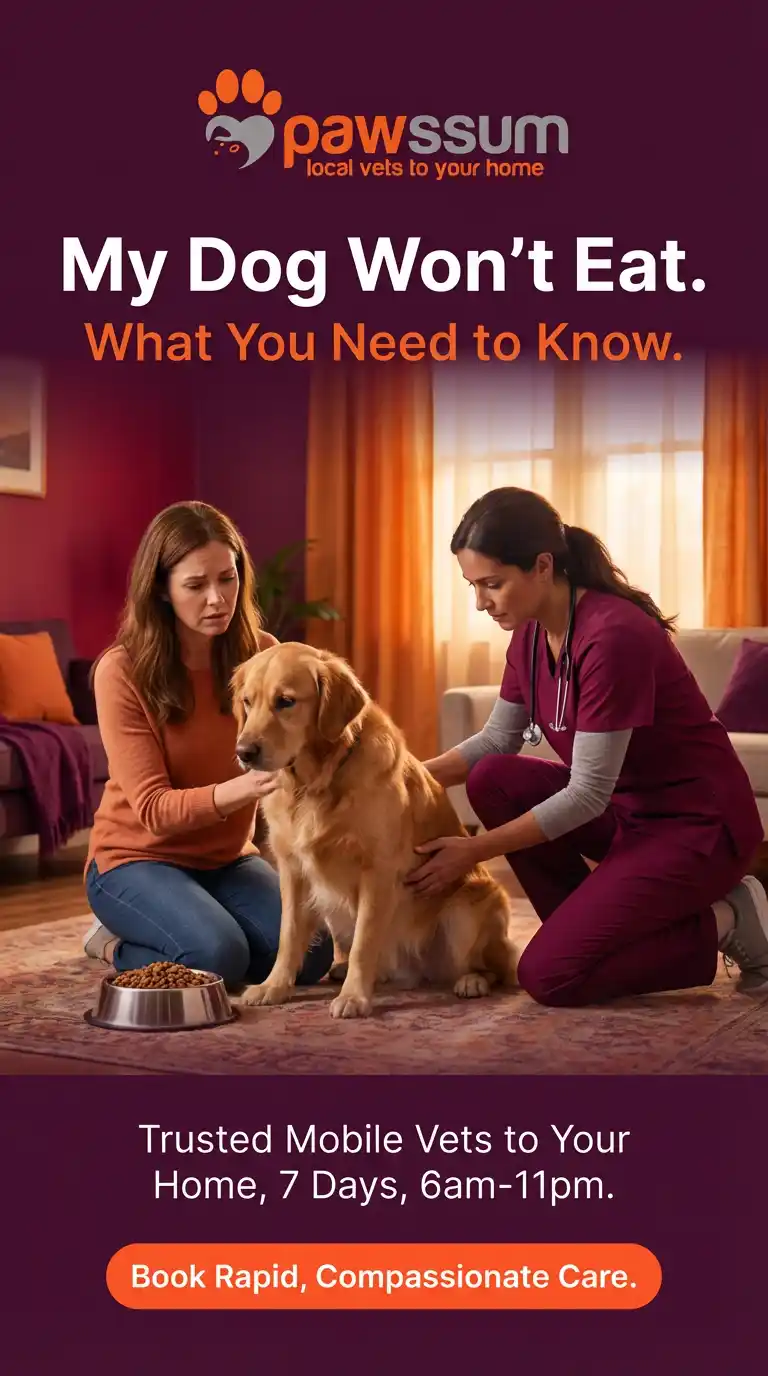
Should I worry if my dog won't eat?
In most cases, you can monitor your dog at home for a period of time if they are otherwise healthy, have skipped only one meal, and are otherwise showing normal behaviour and energy.
If your dog hasn't eaten in over 24 hours, refuses to eat their normal food including treats, is acting lethargic, vomiting, has diarrhoea, acting in pain or abnormal drinking habits, or if they ate something they shouldn't have, call a vet.
If your dog has a swollen belly, co
ntinues to vomit, has pale or yellow gums, is collapsing, breathing abnormally, showing severe weakness, has a wobbly back end, seizures, or possibly ate something toxic, take them to a vet immediately.
First, is your dog unable to eat?
Vets will usually ask you if your dog is unable to eat, unwilling to eat, or refusing to eat their normal food.
Picky dogs might refuse to eat their normal food but will eat other foods they find more interesting. They might not want food after a long walk, for instance, but otherwise display normal behaviour.
Dogs who are unwell usually refuse to eat all food, even their favourites. They may walk up to their food bowl but refuse to eat. They might eat at first but then refuse the rest of their meals, drool at their food, or seem in pain when eating.
If your dog refuses to eat all food, this is more of a concern than if they are just looking for something more palatable.
My dog won't eat but is acting normal
If your dog is otherwise acting normally but won't eat, this might be caused by a change in routine at home, hot weather, stress, food, too many treats or a mild upset stomach.
Dogs might also skip meals after a big day out, a change in activity at the home or after eating rich food the day before.
In this case, wait to see if your dog returns to normal eating habits over the next 24 hours.
If your dog hasn't eaten in the past 24 hours, or if they refuse to eat meals with normal behaviour, consult a vet.
My dog is tired and not eating
If your dog is both tired and refuses to eat, this is more serious.
While lethargy and lack of interest in food can indicate many different conditions, it is a sign that something is wrong with your dog.
Some conditions that might cause lethargy and refusal of food in dogs include:
- Gastro-intestinal issues caused by eating scraps, rubbish, toys, or spoiled food.
- Pain caused by arthritis, back issues, injuries, dental disease or abdominal pain.
- Fever or infection throughout the body.
- Pancreatitis caused by eating fatty foods.
- Kidney, liver, hormonal or metabolic conditions.
- Exposure to toxins.
- Heat stress.
- Tick paralysis, if your dog lives in an area of Australia where ticks are common.
If your dog is sleeping more, is quieter and more inactive than normal, or doesn't greet you when you come home, take them to a vet for an evaluation.
Common reasons dogs stop eating
1. Mild stomach upset
Dogs are scavengers. They eat things they shouldn't.
A bin raid, fatty leftovers, compost, old food at the park, or a sudden diet change can make a dog nauseous. Some dogs still drink water and seem mostly normal. Others vomit, have diarrhoea, or become quiet.
Mild cases can settle, but repeated vomiting, blood in stool, abdominal pain, or refusal to eat for more than a day needs veterinary advice.
2. Dental or mouth pain
Dental pain is easy to miss because dogs often keep acting normal.
A cracked tooth, gum infection, mouth ulcer, abscess, or foreign object stuck between teeth can make eating painful. You may notice drooling, bad breath, chewing on one side, dropping food, pawing at the mouth, or refusing dry food but accepting soft food.
Don't try to force your dog's mouth open if they're painful or distressed. A vet can check safely.
3. Pain elsewhere in the body
Pain can switch appetite off.
Senior dogs with arthritis may avoid meals because standing at the bowl hurts. Dogs with sore backs may not want to bend their neck. Abdominal pain can make dogs restless, hunched, or unwilling to lie comfortably.
If your dog is limping, reluctant to jump, yelping, shaking, panting at rest, or hiding, appetite loss may be pain related.
4. Stress, anxiety or household change
Dogs are sensitive to routine.
Moving house, visitors, a new baby, storms, fireworks, a new pet, boarding, travel, or separation anxiety can affect appetite. Some dogs won't eat when their owner is away. Others only eat at night when the house is quiet.
Stress-related appetite loss should improve when the trigger settles. If it continues, or your dog is losing weight, a vet check is sensible. We don't want to assume stress and miss a medical problem.
5. Hot weather and heat stress
Australian weather can affect appetite. Some dogs eat less on hot days, especially brachycephalic breeds, older dogs, overweight dogs, and dogs with heart or breathing problems.
But heat stress is different.
If your dog is panting heavily, weak, drooling, vomiting, collapsing, or has bright red or very pale gums after heat exposure, seek urgent care. Cooling needs to start quickly, but heat stress can cause internal damage even after the dog appears calmer.
6. Toxins or poisoning
Sudden appetite loss can be an early sign after a dog has eaten something toxic.
Common risks include snail bait, rat bait, grapes or raisins, chocolate, xylitol, some human medications, certain plants, and household chemicals.
If you suspect poisoning, don't wait for symptoms. Call a vet or emergency hospital straight away. The earlier treatment starts, the better the chance of preventing serious harm.
7. Gut blockage
If your dog swallowed a toy, sock, corn cob, bone, stone, or other object, food may not be able to pass through normally.
Warning signs include vomiting, repeated retching, refusing food, abdominal pain, bloating, restlessness, diarrhoea or no stool, and becoming increasingly flat.
A blockage can become life-threatening. This needs clinic or hospital care, often with imaging and sometimes surgery.
8. Kidney, liver or other internal disease
Some illnesses cause nausea before obvious signs appear.
Kidney disease, liver disease, diabetes complications, hormonal problems, cancer, infection, and inflammatory disease can all reduce appetite. You may also notice weight loss, increased thirst, increased urination, bad breath, vomiting, weakness, or a dull coat.
Blood and urine tests are often needed to understand what's happening internally.
What you can try at home
Only try home care if your dog is a healthy adult, has missed one meal or has mild appetite loss, is still bright, drinking normally, not vomiting repeatedly, not bloated, not painful, and has no known serious medical condition.
You can try:
- Offer a small amount of bland food, such as plain boiled chicken and rice.
- Warm wet food slightly so it smells stronger.
- Use a flat plate instead of a deep bowl.
- Offer smaller meals more often.
- Keep water available.
- Avoid rich foods, fatty scraps, bones, onions, garlic, and heavily seasoned foods.
Do not give human medication or appetite stimulants unless your vet has told you to.
Don't force-feed your dog. If they feel nauseous, force-feeding can make them more distressed and may increase the risk of aspiration.
Call a vet now if your dog:
- Has not eaten for 24 hours.
- Refuses treats or favourite foods.
- Is tired, weak, hiding, shaking, or unusually quiet.
- Is vomiting or has diarrhoea.
- Has blood in vomit or stool.
- Has a swollen, hard, or painful belly.
- Is drooling, retching, or trying to vomit without bringing anything up.
- Has pale, blue, bright red, or yellow gums.
- May have eaten poison, medication, a toy, bone, sock, or foreign object.
- Is a puppy, senior dog, diabetic dog, pregnant dog, or already unwell.
- Is drinking much more or much less than usual.
- Has a wobbly back end, changed bark, or weakness in a tick-risk area.
If your dog looks very unwell, cannot stand, is struggling to breathe, has a bloated belly, collapses, or may have a blockage or poisoning, go to an emergency vet hospital.
When a mobile vet can help
A mobile vet can be a good option when your dog is stable but needs a proper check.
For example, a Pawssum mobile vet may help if your dog has gone off food but is still comfortable, has mild tummy upset, seems stressed, may have dental pain, is older and struggling to travel, or needs assessment at home because clinic visits are too stressful.
At home, a vet can observe your dog in their normal environment. That can be useful. We can see where they sleep, where they eat, whether they're avoiding stairs, whether the food bowl setup is uncomfortable, and whether there are stressors in the home.
During a home visit, the vet may check hydration, temperature, gums, heart and breathing, abdomen, joints, mouth, pain levels, and general behaviour. In some cases, medication, fluids, or follow-up testing may be recommended.
When a clinic or hospital is safer
Some dogs need equipment and monitoring that can't be provided at home.
A clinic or emergency hospital is safer if your dog needs X-rays, ultrasound, surgery, oxygen, IV fluids, continuous monitoring, urgent blood tests, treatment for poisoning, or care for suspected bloat, blockage, severe dehydration, collapse, or breathing difficulty.
A good mobile vet will tell you when home care is not enough and will refer you to a clinic or hospital if that's the safest option.
What a vet is thinking during the examination
When a vet sees a dog who won't eat, we're not only asking, "How do we make them eat?"
We're asking, "Why has appetite switched off?"
We look at the whole picture. Age. Breed. Vaccination status. Recent diet. Access to toxins. Vomiting. Stool. Drinking. Urination. Pain. Temperature. Gum colour. Hydration. Abdominal comfort. Dental health. Weight changes. Medications. Existing disease.
A Labrador who raided the bin, vomited twice, and now won't eat is a different case from a senior poodle who has slowly lost appetite over a month. A puppy refusing food is different again. So is a diabetic dog who skips meals.
That's why the right next step depends on the full story, not just the food bowl.
Practical examples
A young dog skips breakfast after eating barbecue scraps the night before but is bright, drinking, and wants a walk. This may be mild stomach upset. Monitor closely and offer bland food. Call a vet if vomiting, diarrhoea, pain, or ongoing appetite loss develops.
A senior dog walks to the bowl, sniffs, then turns away. They still want affection but are slower to stand. This could be arthritis, dental pain, nausea, or internal disease. A vet check is worthwhile.
A dog refuses dinner, vomits repeatedly, and has a tight belly. This is urgent. Don't wait overnight.
A small puppy refuses food and becomes quiet. This needs prompt veterinary advice. Puppies can become weak and dehydrated quickly.
A dog is drinking water but not eating for two days. This still needs a vet. Drinking helps, but it doesn't rule out nausea, pain, infection, kidney disease, or other illness.
FAQ
Why won't my dog eat but still drinks water?
Drinking is a good sign, but it doesn't mean everything is fine. Dogs may still drink when they feel nauseous, have dental pain, have kidney disease, or have mild stomach upset. If your dog won't eat for more than 24 hours, or has vomiting, diarrhoea, tiredness, pain, or increased thirst, call a vet.
How long can a dog go without eating?
A healthy adult dog may cope with a short period without food, but you shouldn't wait several days to seek help. As a general rule, call a vet if your dog hasn't eaten for 24 hours. Seek advice sooner for puppies, senior dogs, small breeds, diabetic dogs, pregnant dogs, or dogs with medical conditions.
My dog won't eat but is acting normal. Should I wait?
If your dog has skipped one meal but is bright, drinking, not vomiting, and still interested in treats, you can monitor for a short time. If appetite doesn't return within 24 hours, or the pattern repeats, book a vet check.
My dog is tired and not eating. Is that an emergency?
It can be. Tiredness plus appetite loss is more concerning than appetite loss alone. Call a vet the same day, especially if your dog is weak, vomiting, has diarrhoea, seems painful, has pale gums, or is not acting like themselves.
What can I feed a dog who won't eat?
If there are no red flags, you can try small amounts of plain boiled chicken and rice, warmed wet food, or a bland vet-recommended diet. Avoid fatty foods, bones, onion, garlic, and rich leftovers.
Should I force-feed my dog?
No. Force-feeding can cause distress and may be unsafe if your dog is nauseous, weak, or at risk of aspiration. If your dog refuses food, focus on why they're refusing and speak with a vet.
Can dental problems stop a dog eating?
Yes. Dental pain is a common hidden reason dogs stop eating or avoid dry food. Signs can include bad breath, drooling, dropping food, chewing on one side, pawing at the mouth, or suddenly preferring soft food.
Is it normal for older dogs to eat less?
Some older dogs may have a slightly reduced appetite, but a sudden or ongoing drop is not something to dismiss as "old age". Senior dogs commonly develop dental pain, arthritis, kidney disease, liver disease, nausea, and other conditions that affect appetite.
Can anxiety make a dog stop eating?
Yes. Stress, storms, travel, a new home, visitors, separation anxiety, or a new pet can affect appetite. But if appetite loss continues or your dog has other symptoms, a vet should check for medical causes.
When should I take my dog to an emergency hospital?
Go urgently if your dog has a bloated belly, repeated vomiting, collapse, severe weakness, breathing problems, pale or yellow gums, seizures, suspected poisoning, suspected blockage, or they are trying to vomit but nothing comes up.
Final note
You know your dog's normal behaviour better than anyone. If their appetite loss feels different, don't ignore that instinct.
A missed meal can be simple. It can also be the first sign of pain, nausea, infection, poisoning, or a more serious internal problem. When in doubt, speak with a vet early. It's usually safer, calmer, and easier to treat a problem before your dog becomes seriously unwell.
If your dog has not eaten for more than 24 hours, or is off food and also vomiting, lethargic or drinking more than usual, that is worth a proper look rather than another day of waiting. A registered vet can examine your dog at home and work out whether this is something that needs treating now.
Related pages
- Sick pet examination: sick pet examination at home
- Arthritis management: arthritis and joint pain in dogs
- Blood testing: at-home pet blood test
- Meloxicam for dogs: pain medication for dogs
- Quality of life assessment: quality of life assessment
Does your dog need a check-up in the comfort of home? Book a Mobile Vet Visit Today or call us at 1300 343 580.
Check out Pawssum reviews
By Dr Sarah webb - BVSc, registered veterinarian
Last updated on 13th September 2026
About the author

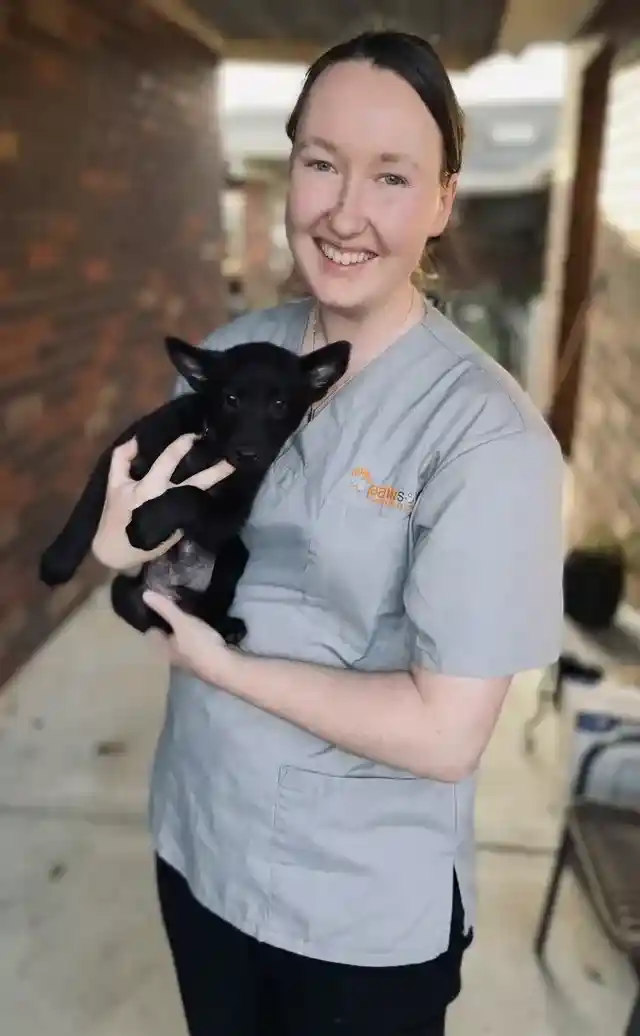
Dr Sarah Webb is a Melbourne-based veterinarian and Charles Sturt University graduate with experience across mixed practice, locum work, and mobile veterinary care. She has a special interest in poultry and backyard chicken health, alongside her work supporting dogs, cats, and other animals. Dr Sarah brings a practical, compassionate approach to veterinary care and is also passionate about mental health and wellbeing within the veterinary profession.
Our company
Open 7 days a week from 6:00am to 11:00pm including public holidays
© 2026 Pawssum Pty Ltd. All rights reserved.