Pet Emergency Signs: When to See an Emergency Vet
It can happen suddenly - your dog dry heaving after dinner, your cat breathing strangely and then collapsing, or them eating something they should not have. Suddenly, all pet owners ask the same question: is this a true emergency or can it wait?
At an emergency vet clinic, we look at how the pet is coping overall; are they breathing normally? Are they conscious? Can they stand? Are their gums pink? Are they in severe pain?
Some issues can be dealt with by a mobile vet or an after hours vet call. Others may require immediate attention at an emergency hospital.
If your pet is struggling to breathe, has collapsed, are having repeated seizures, cannot urinate, are experiencing severe bleeding, or may have eaten something toxic, do not wait and see what happens. Call an emergency vet or go to the nearest emergency clinic.
Pawssum provides emergency and after hours vet care for pets across Australia. We provide mobile vets for many metro areas and Telepet for video consultations for our clients who are unsure of what to do with their pet. Our services are open 7 days a week from 6:00am till 11:00pm, including public holidays.

The 7 Critical Pet Emergency Red Flags
If you notice any of these signs, contact a vet straight away. Some emergencies become much harder to treat if care is delayed.
1. Severe Breathing Difficulties
Cats rarely ever pant and they shouldn’t be panting. If a cat is open-mouth breathing, panting, breathing with effort, or hiding while breathing heavily, treat it as urgent.
In dogs and cats, breathing trouble can look like gasping, noisy breathing, blue or grey gums, rapid breathing while resting, or stretching the neck out to breathe.
It can come from asthma, heart disease, an allergic reaction, trauma, choking, internal bleeding, pneumonia, or fluid around the lungs. Breathing problems are always taken seriously because oxygen levels can drop quickly.
Keep your pet calm. Don’t over-handle them. Call a vet immediately.
If your pet is gasping, turning blue, collapsing, or can’t settle their breathing, go straight to an emergency hospital rather than waiting for a home visit.
2. Collapse or Loss of Consciousness
If your pet suddenly becomes weak, can’t stand, staggers, faints, or loses consciousness, this can point to some serious internal problems.
Collapse may be linked to internal bleeding, heart disease, shock, severe pain, low blood sugar, toxin exposure, heat stress, or neurological disease.
Even if your pet seems better a few minutes later, don’t ignore it. We often see pets who look like they’ve recovered, but still have a serious problem underneath.
Keep your pet quiet and still. Don’t force food or water. Call a vet for urgent advice.
If your pet is unconscious, pale, struggling to breathe, or keeps collapsing, go directly to an emergency hospital.
3. Continuous Vomiting or Unproductive Retching
Vomiting once and then acting normal may not be an emergency. Repeated vomiting is different.
Call a vet urgently if your pet vomits many times in a few hours, brings up blood, becomes very flat, has a painful or swollen belly, or tries to vomit but nothing comes up.
In dogs, repeated attempts to vomit without producing anything can be a sign of GDV, also called bloat. This is life-threatening. The stomach can twist, and the dog can go downhill fast. Large, deep-chested dogs are at higher risk, but any dog with these signs needs urgent care.
If your dog is dry-heaving, bloated, restless, or distressed, go straight to an emergency hospital.
If your pet has vomited once or twice but is still bright, a mobile vet or Telepet consult may help work out whether home care is safe.
4. Suspected Toxin or Foreign Body Ingestion
If you think your pet has eaten something toxic, such as chocolate, xylitol, rat bait, human medication, grapes, lilies for cats, or swallowed something they shouldn’t have, like socks and toys, a vet should be seen within an hour to induce vomiting.
If you notice any signs of drooling, foaming at the mouth, tremors or collapse events, contact the vet immediately if suspecting they could have ingested anything that leads to this.
Timing matters. In many cases, vets can induce vomiting safely, but only within a short window. They have less than two hours before absorption commences to treat them.
Don’t try to make your pet vomit at home unless a vet specifically tells you to. Some substances can cause more damage if they come back up.
Call a vet immediately and have the packaging, plant name, medication label, or object details ready.
A mobile vet may be able to help if your pet is stable and the ingestion was recent. If your pet is already shaking, collapsing, struggling to breathe, or very weak, hospital care is safer.
5. Seizures
A short seizure is frightening. Some seizure situations are true emergencies.
Call a vet urgently if the seizure lasts longer than 3 to 5 minutes, if your pet has more than one seizure in 24 hours, or if they don’t recover properly afterwards.
Also call straight away if you suspect toxin exposure, or if your pet is very young, elderly, diabetic, or already unwell.
During a seizure, your pet isn’t aware of what’s happening. Don’t put your hands near their mouth. Don’t try to hold their tongue. Move nearby objects away so they can’t hurt themselves.
Time the seizure if you can. Keep the room quiet and dim. Once it stops, call a vet.
Long or repeated seizures usually need hospital treatment.
6. Trauma and Severe Bleeding
Any major trauma should be checked urgently, even if your pet looks okay at first. Dogs and cats can hide pain. Internal injuries aren’t always obvious.
This includes being hit by a car, falling from a height, bite wounds, deep cuts, heavy bleeding, sudden limping after trauma, pale gums, weakness, collapse, or visible bone through the skin penetration.
Bleeding that doesn’t stop after a few minutes of gentle pressure needs urgent care. Bite wounds can also be worse than they look, especially in cats. A small puncture can hide deeper damage.
Apply gentle pressure with a clean towel if there’s bleeding. Keep your pet still and warm.
For major trauma, visible bone, breathing trouble, severe pain, or collapse, go directly to an emergency hospital.
7. Inability to Urinate
A pet who keeps trying to urinate but passes little or nothing may have a urinary blockage. This is especially urgent in male cats.
You may see repeated trips to the litter tray, straining, crying, licking around the urinary area, vomiting, hiding, restlessness, or a painful belly.
A blocked bladder can become life-threatening quickly. Toxins build up in the bloodstream, and potassium levels can affect the heart.
If your cat, especially a male cat, is straining and not passing urine, treat it as an emergency.
This usually needs hospital care, pain relief, blood tests, catheterisation, and monitoring.
What Can Sometimes Wait, And When to Worry
Some symptoms may be suitable for a regular vet appointment, a mobile vet visit, or a Telepet consult if your pet is otherwise bright, breathing normally, eating or drinking, and not in obvious pain.
|
Symptom |
When It May Be Able to Wait |
When to Call a Vet Now |
|---|---|---|
|
Vomiting |
Once or twice, then normal behaviour |
Repeated vomiting, blood, dry-heaving, bloated belly, suspected toxin |
|
Diarrhoea |
Mild loose stool, still eating and playful |
Bloody, black, watery, severe lethargy, puppy or kitten, lasts over 24 hours |
|
Limping |
Mild limp but still weight-bearing |
Non-weight-bearing, severe pain, swelling, trauma, visible bone through the skin penetration |
|
Coughing |
Occasional cough, otherwise normal |
Breathing trouble, blue gums, collapse, nonstop coughing |
|
Skin irritation |
Mild itching, no open wounds |
Facial swelling, hives, severe scratching, infection, pain |
|
Eye irritation |
Mild redness, no pain |
Squinting, cloudy eye, trauma, discharge, sudden vision changes |
|
Ear discomfort |
Mild head shaking |
Severe pain, loss of balance, bleeding, swelling, sudden head tilt |
When a Mobile Vet May Be the Right Choice
A mobile vet can help when your pet is unwell but stable.
Home visits can be especially useful for anxious pets, elderly pets, cats, large dogs, and owners who can’t easily travel.
A Pawssum mobile vet may be suitable for mild to moderate vomiting or diarrhoea, skin and ear infections, eye irritation without severe pain, stable limping, pain checks for older pets, appetite changes, coughing without breathing distress, palliative care, and quality-of-life assessments.
The vet can examine your pet, treat them where appropriate, and tell you if a clinic or hospital is the safer option.
When Hospital Care Is the Safer Option
Some conditions can’t be safely managed at home. They need oxygen, imaging, surgery, IV fluids, blood tests, close monitoring, or emergency procedures.
Go to an emergency hospital if your pet has severe breathing trouble, collapse, suspected bloat, major trauma, heavy bleeding, seizures lasting more than 3 to 5 minutes, inability to urinate, severe toxin signs, extreme weakness, pale or blue gums, severe pain, a suspected broken bone, or visible bone through the skin penetration.
A good mobile vet will tell you when hospital care is safer. In an emergency, the goal is to get your pet the right level of care quickly.
Pawssum: What To Do Next
If you’re unsure whether your pet needs urgent care, call Pawssum on 1300 343 580.
For critical emergencies, go straight to the nearest 24/7 emergency hospital and call them on the way.
For urgent but stable problems, a Pawssum emergency home visit or Telepet video consultation can help assess your pet and guide you on the safest next step.
While arranging help, keep your pet quiet and comfortable. Don’t force food or water. Keep cats in a carrier if possible. Use a towel to gently handle frightened pets. Avoid unnecessary movement after trauma. If you’re going to hospital, take any toxin packaging, medication, plant sample, or object details with you.
If your pet is struggling to breathe, collapsing, unable to urinate, vomiting repeatedly, bleeding heavily, or showing signs of poisoning, don’t wait.
Call a vet now.
FAQ
How do I know if my pet needs an emergency vet?
Your pet needs urgent vet attention if they’re struggling to breathe, collapsing, unable to urinate, vomiting repeatedly, bleeding heavily, having seizures, showing severe pain, or may have eaten something toxic.
If you’re unsure, call a vet for advice rather than waiting.
Is panting in cats an emergency?
Yes. Panting in cats should be treated seriously. Cats rarely ever pant and they shouldn’t be panting.
Open-mouth breathing, heavy breathing, or panting in a cat can be a sign of serious breathing or heart trouble.
What should I do if my dog eats chocolate or rat bait?
Call a vet immediately. Don’t wait for symptoms.
In many toxin cases, treatment works best very soon after ingestion. A vet may need to induce vomiting within a short window.
Can I make my pet vomit at home?
No, unless a vet specifically tells you to.
Some substances can burn or damage the throat if they come back up. Some pets can also choke or inhale vomit into their lungs.
When is vomiting an emergency?
Vomiting is urgent if it happens repeatedly, contains blood, is linked with weakness, follows toxin ingestion, or your dog is trying to vomit but nothing comes up.
Dry-heaving with a swollen belly can be a sign of bloat and needs immediate hospital care.
Can a mobile vet treat pet emergencies at home?
A mobile vet can help with many urgent but stable cases, such as mild vomiting, diarrhoea, skin infections, ear problems, pain checks, and some recent toxin cases.
Severe breathing problems, collapse, major trauma, blocked bladder, bloat, and severe poisoning usually need hospital care.
Should I call Pawssum or go straight to hospital?
If your pet is stable but unwell, call Pawssum for advice or a home visit.
If your pet is struggling to breathe, unconscious, severely bleeding, unable to urinate, having a prolonged seizure, or has had major trauma, go straight to an emergency hospital.
As reported in The Courier, Australian pet owners are increasingly choosing home veterinary visits instead of crowded waiting rooms.
See article by Dr Ben on thecourier: The 9pm panic: Why Australian pet owners are trading waiting rooms for living rooms
Don't wait and wonder. If you are unsure, an emergency vet consultation is the safest choice.
Pawssum vets are also open on Sundays and public holidays.
➡️ Find Help Fast: Contact Pawssum Emergency & after-hours vet services
For less urgent, but time-sensitive care, book a comforting ➡️ At-Home Consultation with a Mobile Vet.
By Dr Sarah webb - BVSc, registered veterinarian
Last updated on 12th August 2026
About the author

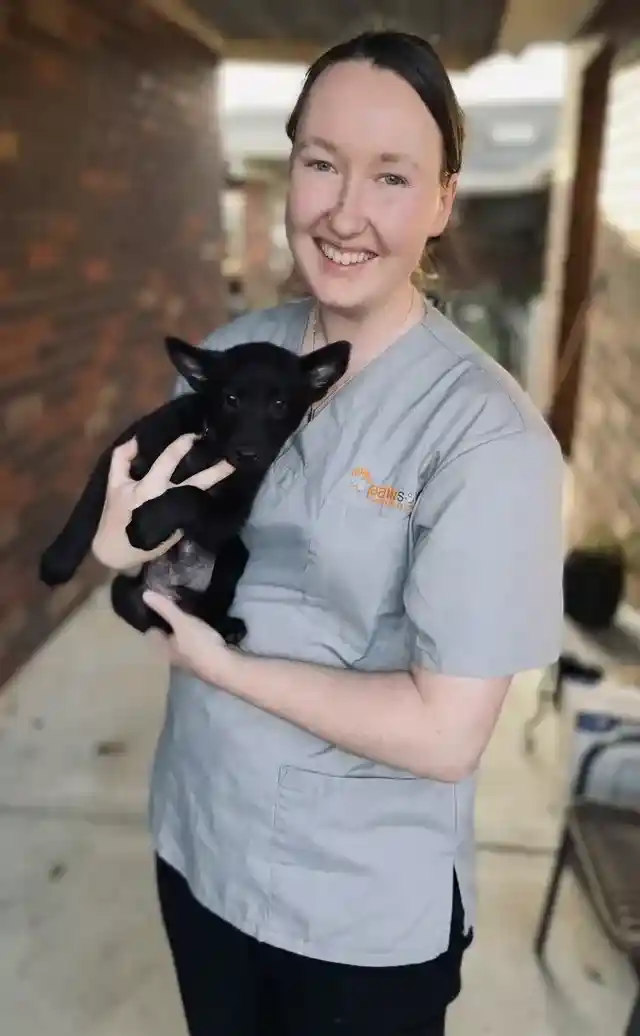
Dr Sarah Webb is a Melbourne-based veterinarian and Charles Sturt University graduate with experience across mixed practice, locum work, and mobile veterinary care. She has a special interest in poultry and backyard chicken health, alongside her work supporting dogs, cats, and other animals. Dr Sarah brings a practical, compassionate approach to veterinary care and is also passionate about mental health and wellbeing within the veterinary profession.
Our company
Open 7 days a week from 6:00am to 11:00pm including public holidays
© 2026 Pawssum Pty Ltd. All rights reserved.