What Happens After At-Home Pet Euthanasia?
When your pet passes away peacefully at home, your Pawssum vet will give you time to say goodbye, then guide you through the next steps with care and respect. Depending on your wishes, your pet’s body may be taken for cremation, returned to you for home burial where legally permitted, or managed through another aftercare option arranged before or during the visit.
For many families, this is one of the hardest questions to ask.
It can feel painful, practical, and emotional all at once. You may be thinking, “What happens after my pet passes?” or “Do I have to decide everything straight away?”
The answer is no. You’ll be supported through it.
At-home euthanasia is designed to let your pet pass in a familiar, calm place. After that, the focus shifts to giving you space, treating your pet with dignity, and helping you choose the aftercare option that feels right for your family.
What happens immediately after my pet passes away?
After the euthanasia medication is given, your vet will check your pet carefully to confirm they have passed. This usually involves listening for a heartbeat and checking breathing and reflexes.
Your vet won’t rush you.
Most families want a few quiet moments. Some want to sit beside their pet, hold them, talk to them, or have other family members say goodbye. Children may be present, depending on the situation and what the family feels is right. Other pets in the home may also be allowed to sniff or see their companion afterwards, which can sometimes help them understand the change.
Your vet will then gently explain the aftercare options.
If you have already chosen cremation or another option when booking, the vet will confirm those details. If you’re unsure, they can talk you through what each option means.
Can my pet stay at home for a while after euthanasia?
Yes, in many cases your pet can remain at home for a short time while you say goodbye.
How long is appropriate depends on the weather, your home environment, your pet’s size, and your aftercare plans. In warmer parts of Australia, especially during summer, it’s best not to delay aftercare for too long.
A vet may suggest placing your pet somewhere cool, quiet, and away from direct sun. They may also help wrap your pet respectfully in a blanket or towel.
This is one reason many families choose at-home euthanasia. There’s no busy clinic room. No pressure to leave quickly. Just your pet, your home, and time to say goodbye properly.
What are the aftercare options after at-home euthanasia?
The most common options are cremation, ashes return, or home burial where permitted.
1. Cremation without ashes returned
This is sometimes called communal cremation.
Your pet is taken into the care of a pet cremation provider and cremated with other pets. Ashes are not returned to the family.
This option may suit families who want respectful aftercare but do not feel they need ashes back.
2. Individual cremation with ashes returned
This is when your pet is cremated individually, and their ashes are returned to you.
Families often choose this if they want to keep their pet’s ashes at home, scatter them somewhere meaningful, or place them in a memorial urn.
Depending on the provider, ashes may be returned in a box, urn, or another memorial option. Some services also offer paw prints, fur clippings, name plaques, or keepsakes.
3. Home burial
Some families prefer to bury their pet at home.
This can be deeply personal, especially if your pet loved the garden or had a favourite sunny spot. However, rules vary by council and location. In many Australian areas, home burial may be allowed on private property if done safely, but there can be restrictions around depth, waterways, rental properties, body size, and local regulations.
Before choosing home burial, it’s best to check your local council rules.
If you rent, you’ll also need the property owner’s permission.
4. Family-arranged aftercare
Some families already have a preferred crematorium, cemetery, or memorial provider.
That’s okay. Let Pawssum know when booking or tell the vet during the visit. The vet can help guide what is practical and safe.
Will the vet take my pet’s body away?
If you choose cremation or Pawssum-arranged aftercare, your vet will usually help arrange respectful transport from your home.
This part is handled gently. Your pet may be wrapped in a blanket or placed carefully into a transport bag or stretcher, depending on their size and the arrangements. Larger dogs may require extra assistance, and it’s helpful to discuss this during booking if your pet is a large breed.
Some families prefer not to be present when their pet is taken from the home. Others want to stay close until the very end.
Both are normal.
You can do what feels right.
What if I don’t know which aftercare option to choose?
That’s very common.
When you’re facing goodbye, it can be hard to make practical decisions. Some families know exactly what they want. Others feel overwhelmed.
A helpful way to think about it is:
If you feel you may want a physical memorial later, choose individual cremation with ashes returned. It gives you more options.
If you feel your memories, photos, and time together are enough, cremation without ashes returned may feel right.
If your pet had a strong connection to your home and it’s legally allowed, home burial may be meaningful.
There’s no “correct” choice. The right option is the one that brings your family comfort.
Will my pet be treated respectfully?
Yes. Your pet should be handled with dignity at every step.
For vets, euthanasia is not just a medical procedure. It’s the final act of care for a much-loved family member. A good vet thinks about comfort, pain relief, privacy, timing, and the emotional needs of the people in the room.
After your pet passes, that care continues.
Your vet understands that your pet’s body still matters deeply to you. They are not “just gone.” They are your dog, cat, companion, shadow, routine, and family.
That respect should be felt in how your vet speaks, moves, explains things, and gives you time.
What happens if my pet passes away before the vet arrives?
Sometimes a pet passes naturally before the scheduled euthanasia visit. This can be upsetting, especially if you were hoping the vet could help them pass peacefully.
If this happens, call Pawssum as soon as possible.
Depending on your location and the timing, we may still be able to help with aftercare guidance or arrangements. If your pet has already passed, they no longer need euthanasia, but you may still need support with body care, cremation, or what to do next.
Place your pet somewhere cool and quiet if you can. Use a blanket or towel. Avoid placing them in direct sun or a warm room.
Can other pets see the body?
In many cases, yes.
Some dogs and cats appear to understand better when they’re allowed to sniff or see their companion after death. Others may show little reaction. Both responses are normal.
A surviving pet may sniff, walk away, sit nearby, whine, or seem confused. They may also grieve in the days afterwards by looking for their companion, eating less, sleeping more, or becoming clingier.
You don’t need to force the moment. If your other pet wants to approach calmly, it can be helpful. If they’re distressed, reactive, or too energetic, your vet may suggest keeping them in another room.
What should I prepare before the visit?
You don’t need to have everything perfect. But a few small preparations can help.
Choose a quiet place where your pet feels safe. This might be their bed, the couch, the garden, or a favourite sunny spot.
Have a towel or blanket ready. Some families choose a special blanket they’re happy for their pet to be wrapped in.
Decide who you want present. This may include family, close friends, children, or other pets.
Think about aftercare if you can. You don’t need to have all the answers, but it helps to know whether you’re leaning towards cremation, ashes returned, or home burial.
You may also want tissues, water, and a quiet space for after the vet leaves. It’s a big moment. Give yourself permission to not be productive afterwards.
When is a mobile vet the right option?
A mobile vet can be especially helpful when your pet is elderly, anxious, painful, unable to walk, or distressed by car travel.
At-home euthanasia may be suitable when:
Your pet is still stable enough to remain comfortable at home.
You want a calm goodbye in a familiar setting.
Your pet becomes frightened at the vet clinic.
Mobility, pain, or breathing issues make transport difficult.
Your family wants privacy and more time.
For many cats, senior dogs, and pets with arthritis, cancer, organ failure, or advanced illness, staying home can be far kinder than one more car trip.
How Pawssum helps with aftercare
Pawssum mobile vets provide at-home euthanasia support across many Australian locations, with care focused on comfort, dignity, and clear guidance.
Before or during the visit, the team can explain available aftercare options, including cremation and ashes return where available. Your vet can also help you understand what happens next, what to expect after your pet passes, and how to make the process as gentle as possible.
You don’t have to manage it alone.
FAQ
Do I have to decide about cremation before the euthanasia visit?
It helps, but you don’t always have to decide immediately. If you’re unsure, speak with Pawssum when booking or ask the vet during the visit. They can explain the options clearly and calmly.
Can I keep my pet’s ashes?
Yes, if you choose individual cremation with ashes returned. Your pet’s ashes are returned to you in the agreed memorial option, depending on the cremation provider available in your area.
What is communal cremation?
Communal cremation means your pet is cremated with other pets, and ashes are not returned. It is still a respectful aftercare option.
Can I bury my pet in my backyard?
Sometimes, but local council rules vary. Check your council requirements first, especially around burial depth, property ownership, waterways, and rental homes.
Will the vet remove my pet’s body straight away?
Only after you’ve had time to say goodbye and the aftercare plan is confirmed. Your vet will not rush you.
Can I spend time with my pet after they pass?
Yes. Most families do. Your vet will give you space and let you take the time you need.
What happens with large dogs?
Large dogs can still be cared for respectfully, but transport may require planning or assistance. Let Pawssum know your pet’s size when booking so the right arrangements can be made.
Should my children be present?
That depends on their age, understanding, and your family’s wishes. Some children cope better when they can say goodbye. Others may prefer to remember their pet as they were. Your vet can help guide the moment gently.
Can my other dog or cat say goodbye?
Often, yes. If they are calm and safe, allowing them to sniff or see their companion may help them understand. Don’t force it if they seem distressed.
What if my pet dies naturally before the appointment?
Call Pawssum as soon as possible. The euthanasia itself will no longer be needed, but you may still need help with aftercare options and what to do next.
Suggestions:
By Pawssum
Last updated on 12th August 2026
About the author

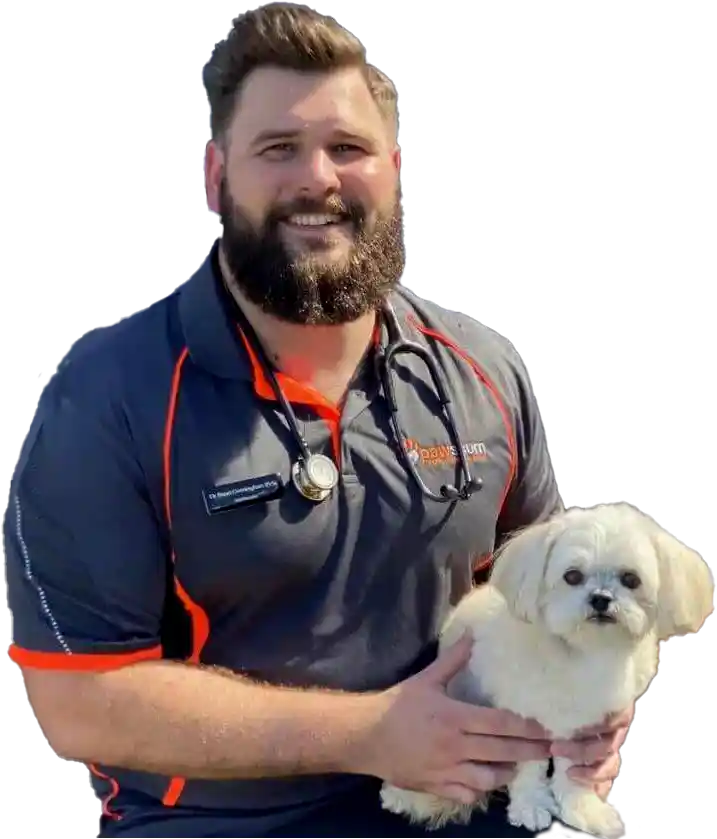
Pawssum provides affordable and convenient pet care in the comfort of your home by local, trusted vets.
Our company
Open 7 days a week from 6:00am to 11:00pm including public holidays
© 2026 Pawssum Pty Ltd. All rights reserved.