Dog Vomiting: When to Worry and When to Call a Vet
Finding your dog vomiting can be an alarming experience. While it is often a simple case of "dietary indiscretion" (eating something they shouldn't have), it can also be the first sign of a medical emergency.
To help you decide whether to monitor your pet at home or seek immediate veterinary care, we've put together this Home Triage & Stability Checklist.
This guide focuses on specific physical signs and "decoding" the appearance of vomit to give you a clear path forward.
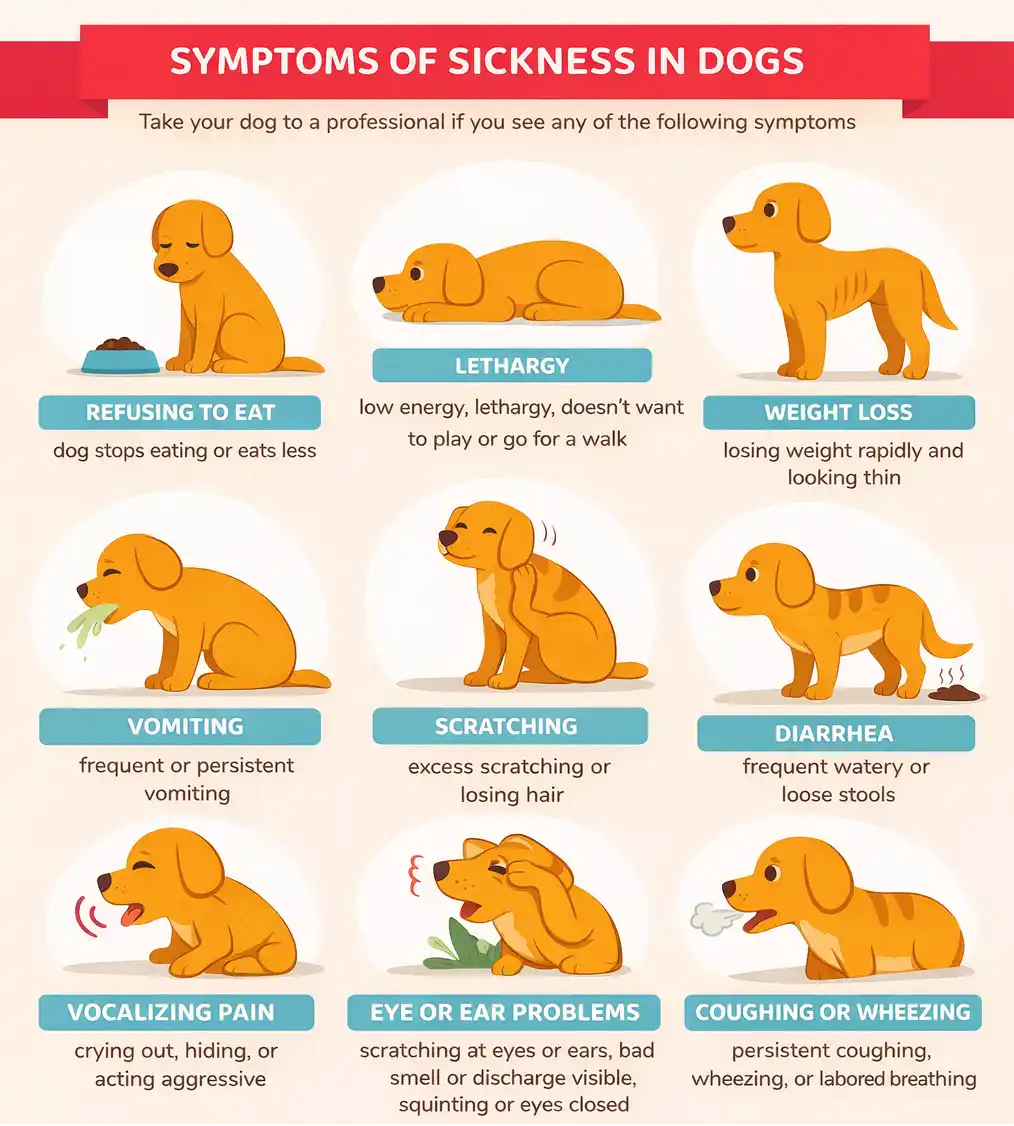
Step 1: The Two-Minute "At-Home" Physical Exam
Before focusing on the vomit itself, look at your dog's overall state. Perform these three quick checks to assess their stability:
The "Skin Tent" Test (Hydration Check)
Gently pinch the skin between your dog's shoulder blades and let go.
- Normal: The skin snaps back instantly.
- Worry: The skin stays "tented" or slides back slowly (indicates moderate to severe dehydration).
The Gum Colour Check
Lift your dog's lip.
- Normal: Gums should be bubblegum pink and moist.
- Worry: Gums are pale, white, blue/purple, or feel "tacky" and dry to the touch.
The Abdominal Check
Gently feel your dog's belly.
- Normal: Soft and relaxed.
- Worry: The belly feels hard, bloated, or your dog winces and groans when touched. Retching without bringing anything up combined with a hard belly is a life-threatening emergency (Bloat/GDV).
Step 2: Decoding the "Vomit Decoder"
The colour and texture of what your dog brings up can provide vital clues about the cause. Use this table to help identify the level of urgency.
|
Appearance |
Likely cause |
Urgency level |
|---|---|---|
|
Yellow/green liquid |
Bile (stomach is empty); can indicate nausea or late-night acid reflux. |
Monitor (if it happens once). |
|
White foam |
Irritation or swallowing air; can also be a precursor to Bloat. |
Watch closely (seek help if they keep retching). |
|
Clear liquid/water |
Drinking too much too fast or inability to keep water down. |
Caution (possible obstruction). |
|
Chunky/undigested food |
Eating too fast or "regurgitation" rather than true vomiting. |
Low (try smaller, slower meals). |
|
Pink/red streaks |
Fresh blood; suggests inflammation or a small tear in the oesophagus. |
Urgent (call the vet). |
|
Dark brown/coffee grains |
Digested blood; often indicates internal bleeding or ulcers. |
Emergency (seek care now). |
|
Bright teal or blue |
Potential ingestion of rodent poison (snail pellets or rat bait). |
CRITICAL EMERGENCY. |
Step 3: The "Wait-and-See" vs "Call the Vet" Protocol
In the past, the standard advice was to "fast" a dog for 24 hours. However, modern 2026 veterinary guidelines emphasise a more tailored approach based on the "Three-Strike Rule".
When you can likely monitor at home
- Your dog vomited once but is still bright, alert, and active.
- The gums are pink and the "skin tent" test is normal.
- There is no blood, and they aren't trying to vomit again.
Action: Withhold food for 6 to 12 hours, then offer a "bland diet" (boiled chicken and white rice) in small, frequent portions. There is more detail on home care here.
When to call Pawssum Vets immediately
- The Three-Strike Rule: They have vomited three or more times in a single day.
- The puppy/senior exception: Puppies and senior dogs have less "reserve" and can become dangerously dehydrated in hours.
- Projectile vomiting: If the vomit is forcefully expelled several feet away (this often indicates a blockage).
- Secondary symptoms: Vomiting paired with lethargy, diarrhoea, or a refusal to drink water.
Four red flags every pet owner should recognise
These four scenarios are common red flags that every pet owner should be able to recognise. Here is a breakdown of what these behaviours might be telling you:
Dog lying down looking tired (lethargy)
When a normally bouncy dog becomes a "statue", it's easy to assume they just had a big day at the park. However, true lethargy is different from a post-walk nap; it's a reluctance to get up even for their favourite treats or the sound of the leash. This "heavy" tiredness can be a subtle symptom of anything from a low-grade infection or anaemia to more serious heart conditions. If your dog seems to have lost their "spark" for more than 24 hours, their body is likely working overtime to fight an underlying issue.
Dog refusing food bowl (inappetence)
Most dogs treat mealtime like a professional sport, so a sudden "hunger strike" is a major communication tool. While some pups are naturally picky, a total refusal of a food bowl, especially if they also turn down high-value treats, is often a sign of nausea, metabolic shifts, or intense dental pain. In the veterinary world, we consider a dog's appetite a "vital sign"; when it disappears, it's usually the first indicator that something is wrong internally, from a simple tummy upset to kidney or liver distress.
Dog vomiting on floor
It's the sound no pet parent wants to hear, especially in the middle of the night. While the occasional "scarf and barf" from eating too fast is common, persistent vomiting is a cause for concern. It can quickly lead to dehydration and often points toward "dietary indiscretion" (eating something they shouldn't have), viral infections, or even a dangerous intestinal blockage. If the vomiting is accompanied by a tender abdomen or happens multiple times in a few hours, it's no longer just a mess to clean up, it's a medical priority.
Sad dog curled up on bed (withdrawal)
When a social dog suddenly becomes a hermit, they aren't just "feeling blue". Dogs are masters at hiding physical pain, and withdrawing to a quiet corner or curling up tight is a natural survival instinct. This behaviour often signals discomfort, whether it's a hidden joint ache, back pain, or abdominal cramping. If your dog is avoiding eye contact and refusing to leave their bed, they are likely using all their energy to cope with physical distress rather than emotional sadness.
If your dog is experiencing two or more of these symptoms at the same time (for example, vomiting and lethargy), the situation is much more urgent, and you should consider contacting an emergency vet.
Why modern pet owners choose an in-home visit
Transporting a sick, nauseous dog in a car can increase their stress and trigger more vomiting. In 2026, many Australian pet owners are opting for mobile veterinary triage.
If you are in that "grey area" where you aren't sure if it's an emergency, a mobile vet can perform a professional examination in your dog's "safe zone", your living room. This allows the vet to see your dog's true behaviour without the adrenaline spike of a clinic visit, leading to a more accurate diagnosis.
Pro tip: If you're unsure, take a photo of the vomit and a quick video of your dog's behaviour. This provides invaluable data for your vet during a consultation.
Related pages
- Sick pet examination: sick pet examination at home
- Emergency vet: after-hours and emergency care
- Blood testing: at-home pet blood test
- Dog diarrhoea: causes, home triage and when to call a vet
- My dog won't eat: appetite loss in dogs
- Common pet toxins: poisons around Australian homes
Worried about your dog right now? Book a Mobile Vet Visit Today or call us on 1300 343 580.
Check out Pawssum reviews.
By Dr. Jessica Goh - BVSc/DVM, registered veterinarian
Last updated on 30th September 2026
About the author


Dr Jessica Goh is an experienced Melbourne mobile veterinarian with 12 years in small animal practice and a strong background across general practice, veterinary internships, and emergency care. A University of Melbourne-trained veterinarian, Dr Jessica brings calm clinical judgement, gentle handling, and clear communication to every home visit. She is especially valued for helping pets and families feel supported during stressful health concerns, senior pet care, urgent consultations, and compassionate end-of-life appointments. Through Pawssum, Dr Jessica provides professional, reassuring veterinary care in the comfort of your pet’s own home.
Our company
Open 7 days a week from 6:00am to 11:00pm including public holidays
© 2026 Pawssum Pty Ltd. All rights reserved.