Signs a Dog Is in Pain and When to Call a Vet
Your dog still meets you at the door and wags their tail, but something is a little off. They might be grumbling when you pat their back or have stopped jumping on the couch. Finding the signs a dog is in pain can be difficult for owners, as dogs often carry on with their usual routine, even when they are sore. This article covers the changes to look for, which ones mean you should call a vet straight away, and what you can do at home in the meantime.
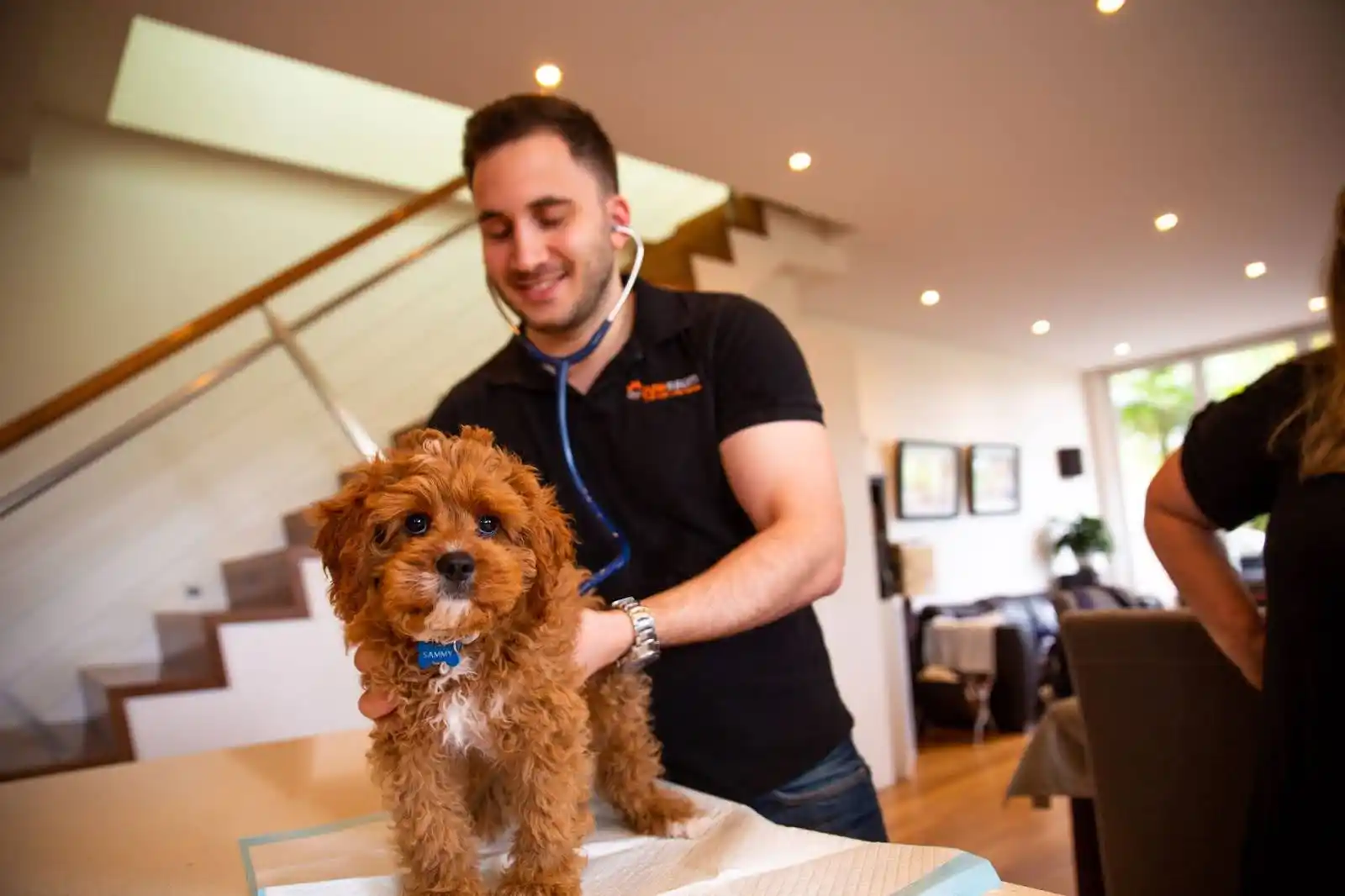
Why pain in dogs can be hard to spot
Many owners picture a dog in pain limping or crying, but RSPCA NSW notes that dogs do not always cry or limp when they are sore and that pain often presents as small changes in behaviour. The Merck Veterinary Manual highlights that a dog can still wag its tail and greet people even when it is hurting.
Pain can also creep in slowly, with arthritis and joint issues being very common in older dogs. These changes can happen over months until a stiff, quiet dog begins to seem normal. You know your dog better than anyone, so you have the best chance to spot changes in their behaviour.
Dr James: "It’s heartbreaking to see pets in pain when the signs are mistaken for a normal part of growing older."
Common signs a dog is in pain
No single sign proves your dog is in pain, and every dog reacts a little differently. Look for a change from what is normal for your dog, especially if you notice more than one of these.
Changes in behaviour
- Hiding, keeping to themselves or not wanting to be near the family
- Less interest in play, walks or people they usually have a bond with
- Being clingier or needier than usual
- Irritability, growling or snapping, especially when a certain spot is touched
- Restlessness, pacing or trouble settling down
- Whining, whimpering, yelping or groaning, especially when getting up or lying down
Physical signs
- Limping, stiffness or favouring one leg
- Trouble standing up, lying down or sitting
- Changes to posture, such as a hunched or arched back, a low head or an unusual tail position
- Licking or chewing at one area of the body
- Panting when they are resting and not hot
- Shaking or trembling
- A different look on their face, such as flattened ears, a tense expression or glazed eyes
Changes to appetite and routine
- Eating less than usual
- Avoiding stairs or no longer jumping onto the couch
- Sleeping more, or struggling to get comfortable at night
- Toileting accidents inside
If your dog is lying in an odd position, our article on dog sleeping positions when sick explains what some of those postures can mean.
When to call a vet
Pain is not a normal part of getting older and should always be investigated. How quickly you need help depends on what you are seeing.
Call a vet straight away if your dog
- Seems to be in severe pain, cries out or will not let you near them
- Cannot move a leg, or you think a bone may be broken
- Is having trouble breathing
- Has a swollen belly and keeps trying to vomit without bringing anything up, is drooling or cannot settle, which can be signs of bloat, a life-threatening emergency that needs urgent surgery
- May have eaten something poisonous
- Is bleeding heavily or has an eye injury
Book a vet check soon if your dog
- Has been limping, stiff or slow
- Is eating less, sleeping more or seems withdrawn
- Keeps licking or chewing one spot
- Has become grumpy when touched or picked up
- Is an older dog who has gradually slowed down
The Cornell University College of Veterinary Medicine recommends booking a vet visit if you spot signs like these. The sooner the cause is sorted out, the sooner your dog can be made comfy.
What you can do at home while you wait
There is a lot you can do to keep your dog comfortable until they can be seen.
- Keep notes, photos and short videos of what you are seeing. Cornell highlights that anxiety can hide pain behaviours at the clinic, so what you record at home will help the vet.
- Let your dog rest. Do not push them to walk, play or climb stairs if they do not want to.
- Handle them gently. Dogs in pain can snap when a sore spot is touched, even with people they trust.
- Give them a soft, padded bed somewhere warm and quiet and put mats or rugs over slippery floors so they do not scramble.
- Never give human pain medication unless your vet has told you to. RSPCA NSW warns that many human painkillers are toxic to dogs. Our article on giving dogs Panadol explains why.
What happens at the vet visit
Your vet will ask about your dog's behaviour and daily life, then examine them to find where the pain is coming from. Depending on what they find, they may suggest x-rays or blood tests. Treatment can include pain relief, changes at home, advice on weight and exercise, or a procedure if something needs fixing. For dogs with ongoing joint pain, your vet may talk about longer-term arthritis management.
[VET QUOTE NEEDED: what the vet looks for during a pain assessment at home]
FAQs
Do dogs hide pain?
Often, yes. Dogs do not always cry or limp when they are sore, and many continue to eat, wag and greet you while they hurt. Spotting a small change in behaviour, movement or routine is often the first clue.
Is my older dog in pain or just slowing down?
It can be hard to tell. Stiffness, sleeping more and avoiding stairs are often put down to age, but they can also be signs of arthritis or another painful condition. A vet check will help to sort out which it is.
Can I give my dog Panadol or ibuprofen for pain?
Not unless your vet has told you to, as many human pain medicines are toxic to dogs. Your vet can prescribe pain relief that is safe for your dog.
My dog is limping but still eating and playing. Should I worry?
A dog that is still eating and playing can still be in pain. If the limp does not settle, keeps coming back or your dog will not use the leg at all, see a vet.
Can a vet check my dog for pain at home?
Yes. A home visit means your dog can be assessed in a place where they feel relaxed, with anxiety less likely to hide their pain behaviours.
Book a home vet assessment
If your dog is showing signs of pain, a Pawssum vet can come to you. Our vets visit homes 7 days a week, from 6am to 11pm, and are trusted by more than 380,000 pet owners across Australia. Book a home vet assessment and we will help work out what is going on and how to make your dog more comfortable.
By Dr Sarah webb - BVSc, registered veterinarian
Last updated on 30th September 2026
About the author

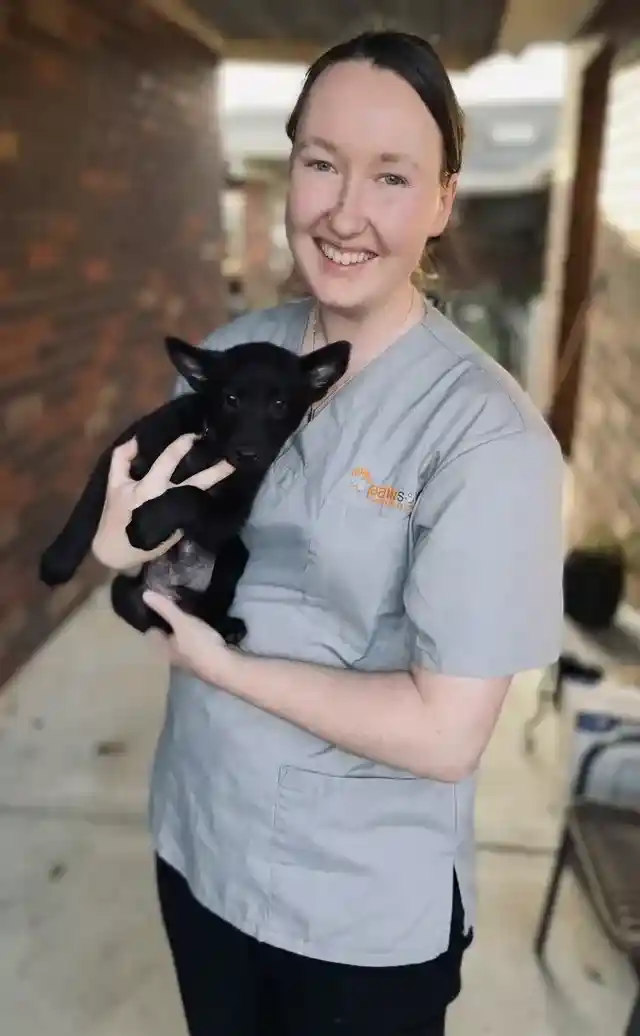
Dr Sarah Webb is a Melbourne-based veterinarian and Charles Sturt University graduate with experience across mixed practice, locum work, and mobile veterinary care. She has a special interest in poultry and backyard chicken health, alongside her work supporting dogs, cats, and other animals. Dr Sarah brings a practical, compassionate approach to veterinary care and is also passionate about mental health and wellbeing within the veterinary profession.
Our company
Open 7 days a week from 6:00am to 11:00pm including public holidays
© 2026 Pawssum Pty Ltd. All rights reserved.