You Want to Do What to My Pet?
Veterinary Procedures That Sound Extreme, Explained Simply
There’s a moment in veterinary medicine that almost every vet knows.
Your pet has been examined. The scan or test result is on the screen. The vet explains what they’ve found, then recommends the next step.
And suddenly, everything feels a bit much.
“Surgery?”
“Hospital?”
“Chemotherapy?”
“You want to remove all the teeth?”
It’s a completely understandable reaction.
Pets can look surprisingly normal at home, even when something serious is happening underneath. They may still wag their tail, greet you at the door, ask for dinner, or curl up in their favourite spot.
So when a vet recommends a major procedure, it can feel shocking.
But there’s something important to understand. Vets don’t recommend these procedures because they’re routine, interesting, or easy.
They recommend them because, in their professional judgement, it may be the best way to relieve pain, restore function, prevent deterioration, or protect your pet’s quality of life.
Most vets actively try to avoid unnecessary treatment whenever they can. Surgery, hospital stays, and long-term medication plans are rarely the first choice. They’re usually recommended when simpler options are no longer enough.
Veterinary medicine is about doing what’s needed. No more than that.
And those decisions are never made lightly.
What Your Vet Is Thinking
When a vet recommends a procedure, they’re usually weighing several things at once.
They’re thinking about the pain your pet may already be hiding. They’re thinking about what may happen if treatment is delayed. They’re considering the risks of treatment, the likely benefits, the cost for the family, and what life may look like for your pet afterwards.
These decisions are rarely simple.
And vets know these conversations can feel confronting. They’re not detached from that moment in the consult room. They understand the weight of what they’re asking you to consider.
Removing Teeth
One of the most surprising recommendations pet owners hear is that their pet may need many teeth removed, or sometimes even a full-mouth dental extraction.
The first question is usually:
“How will they eat?”
It’s a fair question.
But severe dental disease can cause constant pain, infection, tooth root abscesses, and bone loss in the jaw. When every tooth is diseased, saving the teeth is no longer the priority. Comfort is.
Removing diseased teeth may sound extreme, but the goal is simple. Remove the source of ongoing pain.
Many pets eat better after recovery. Some become brighter, more active, and noticeably happier because they’re no longer living with chronic mouth pain.
Limb Amputation
Few recommendations feel more confronting than amputation.
But in some cases, it can be the kindest option.
A vet may recommend amputation when a limb is no longer functional, affected by cancer, badly injured, or causing long-term pain that can’t be managed well with other treatment.
As humans, we often imagine what losing a limb would feel like for us. Animals don’t tend to process it in the same way.
For pets, the bigger question is usually: can they move comfortably?
Dogs and cats often adapt remarkably well to life on three legs. In many cases, the alternative is ongoing pain with little chance of real improvement.
The goal isn’t loss.
The goal is relief.
Opening the Abdomen
Exploratory abdominal surgery can sound extreme, especially when your pet seemed fine only a few days earlier.
But vets may recommend abdominal surgery when there may be an intestinal blockage, a swallowed foreign object, persistent vomiting that won’t settle, or imaging that suggests serious internal disease.
A blocked intestine can become life-threatening quickly.
What sounds like a major operation may actually be the fastest and safest way to find the problem and fix it before permanent damage occurs.
Hospitalisation
Many owners find it hard to leave their pet in hospital.
That feeling is completely normal. Pets are family, and it can feel awful walking out without them.
But hospitalisation is often recommended when a pet needs care that can’t safely be provided at home. This may include intravenous fluids, oxygen therapy, strong pain relief, close monitoring, or support after poisoning, surgery, or severe illness.
The goal isn’t to separate pets from their families.
It’s to give them the level of medical support they need when home care isn’t enough.
Chemotherapy
For many people, the word chemotherapy brings up frightening images of human cancer treatment.
Veterinary chemotherapy is usually different.
In pets, the focus is often quality of life. Because dogs and cats don’t live as long as we do, treatment is usually aimed at helping them feel well and, where possible, keeping cancer in remission for as long as possible.
In most cases, veterinary chemotherapy is lower intensity than human chemotherapy. It’s carefully adjusted to reduce side effects and help pets continue enjoying normal routines.
The goal is rarely aggressive treatment at any cost.
It’s about giving more good time while protecting comfort and happiness.
Anaesthesia for Senior Pets
Age is one of the most common reasons owners worry about surgery or dental procedures.
That worry makes sense. No one wants to put an older pet through unnecessary risk.
But age alone doesn’t always mean a pet can’t have anaesthesia. Senior pets are assessed carefully before procedures. This may include pre-anaesthetic blood testing, tailored anaesthetic plans, and close monitoring during surgery.
At the same time, untreated dental disease, lumps, wounds, or other chronic conditions can continue to cause pain, infection, poor appetite, and reduced quality of life.
The decision is often not between risk and no risk.
It’s between a carefully managed short-term risk and ongoing long-term suffering.
TPLO Surgery
TPLO surgery is one of those procedures that can make owners pause.
It’s used to treat cranial cruciate ligament disease, which is similar to an ACL injury in people. The procedure can sound dramatic because it involves cutting and rotating part of the shin bone, then securing it with a metal plate and screws.
Understandably, many owners wonder if that’s really necessary.
When the cruciate ligament fails, the knee becomes unstable. With every step, the shin bone can slide forward. This causes pain, inflammation, reduced mobility, and worsening arthritis.
Rest alone rarely restores normal stability once the mechanics of the knee have changed.
A TPLO doesn’t replace the damaged ligament. Instead, it changes how the knee bears weight. The surgeon makes a precise curved cut in the top of the tibia, rotates the bone to change the joint angle, then secures it in place while healing occurs.
The plate and screws are not an unnecessary extra. They provide internal support while the bone heals in its new position.
Without surgery, many dogs continue to have pain, worsening arthritis, reduced mobility, and extra strain on the other leg.
With successful TPLO surgery, many dogs regain comfort, stability, and better long-term function.
The operation sounds dramatic.
The goal is simple: help the dog walk comfortably again.
Spinal Surgery
Spinal surgery is usually recommended when the spinal cord is under pressure.
That pressure can cause severe pain, weakness, paralysis, or loss of bladder and bowel control.
Surgery aims to remove pressure from the spinal cord, relieve trapped nerves, and reduce the risk of further neurological damage.
Timing can matter a lot.
For some pets, early surgery may improve the chance of recovery. In serious cases, it can mean the difference between permanent disability and walking again.
Spey and Neuter, or Desexing
Desexing is one of the most common procedures in veterinary medicine, but it can still feel emotional for many owners.
For male pets, desexing, or castration, involves removing the testicles. These produce testosterone and sperm.
For female pets, desexing, or speying, usually involves removing the ovaries and often the uterus. This prevents pregnancy and heat cycles.
Vets may recommend desexing to reduce the risk of unplanned litters, testicular cancer, uterine infections, ovarian disease, some prostate problems, and certain mammary tumours when performed early in life.
Desexing may also reduce some hormone-driven behaviours, such as roaming, escaping, mounting, marking, and some forms of aggression.
What desexing does not do is change your pet’s personality.
Your dog is still your dog.
Your cat is still your cat.
The goal is health, welfare, and risk reduction.
The Part Many People Don’t See
One of the biggest misconceptions about veterinary care is that vets recommend too many tests, too many procedures, or too much treatment.
The reality is often very different.
Before making a recommendation, vets are usually asking themselves: is this medically necessary? Will it improve welfare? Do the benefits outweigh the risks? Is it realistic for this family? Will it genuinely improve this pet’s quality of life?
Vets spend a lot of time looking for the least invasive option that is still likely to help.
And they know these conversations can feel overwhelming.
They feel the weight of them too.
What to Do If You’re Unsure
If a recommendation feels like too much, it’s okay to ask questions.
You can ask what happens if you do nothing. You can ask whether there are medical or conservative options. You can ask about the risks and benefits of each choice. You can ask whether a specialist referral or second opinion would be reasonable.
A good vet will welcome those questions.
Asking for clarity doesn’t mean you’re challenging your vet. It means you’re trying to make the best decision for your pet.
Keep This in Mind
Most big veterinary decisions are not about doing more.
They’re about preventing suffering that may be happening quietly, out of sight.
So if your vet recommends something that sounds overwhelming, it’s usually because they’re trying to protect something very simple.
A pet that can walk comfortably.
A pet that can eat without pain.
A pet that can keep enjoying life as themselves.
That’s what every recommendation is really trying to achieve.
By Dr Olivia Kappel - BVSc/DVM, registered veterinarian
Last updated on 3rd June 2026
About the author

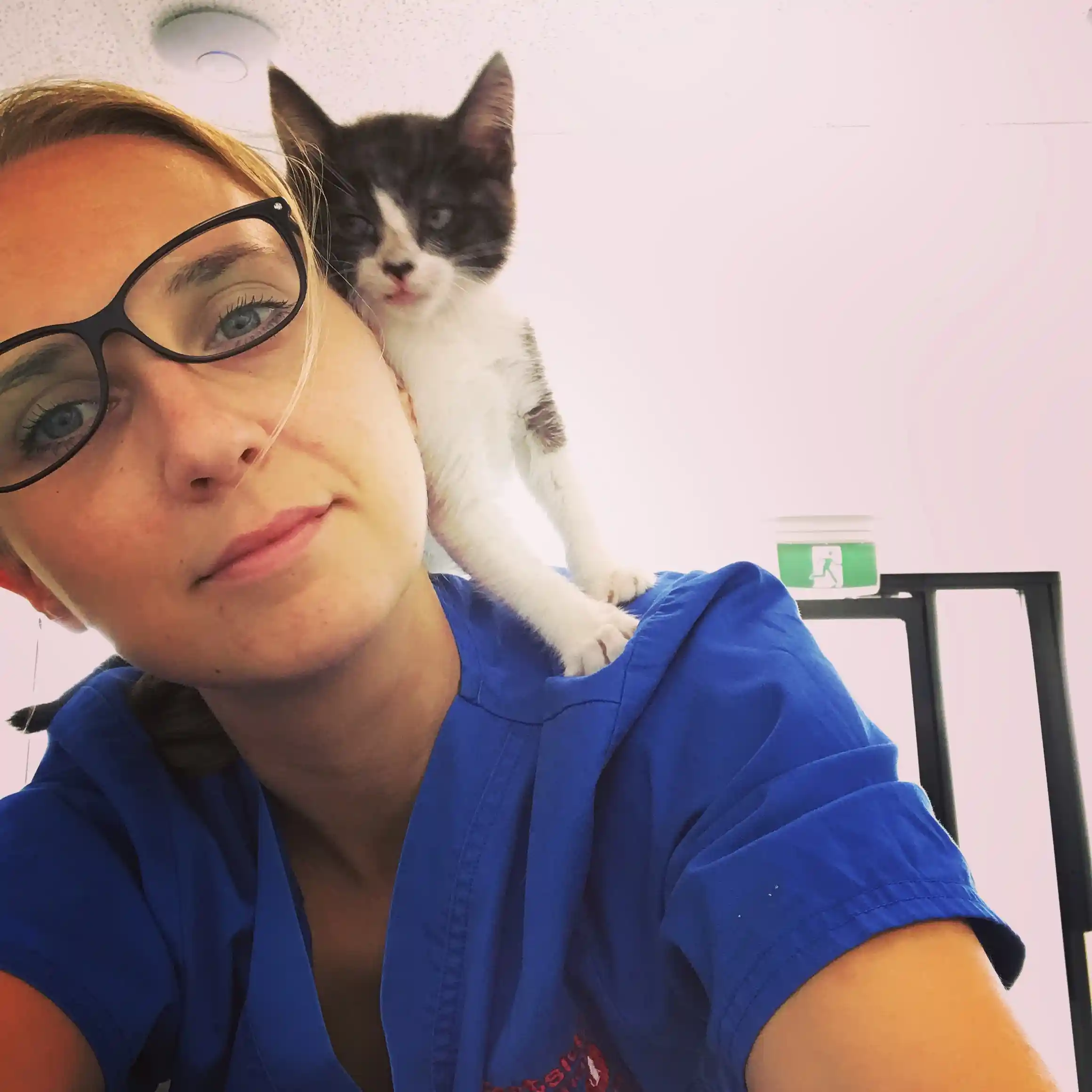
Dr Olivia Kappel is a Veterinarian with Pawssum Mobile Vets, providing trusted veterinary advice and support to pet owners from the comfort of home. Based in NSW, and educated at the University of Sydney, Dr Olivia brings practical small-animal experience and a calm, compassionate approach to helping families understand their pet’s health concerns and next steps. Her work with Pawssum supports accessible, stress-free veterinary care for dogs and cats across Australia.
Our company
Open 7 days a week from 6:00am to 11:00pm including public holidays
© 2026 Pawssum Pty Ltd. All rights reserved.