Dog Diarrhoea: Causes, Home Care & When to See a Vet
Why does your dog have diarrhoea, what home care is actually safe, and when should you see a vet? TL;DR: dog diarrhoea is often caused by diet changes, scavenging, stress, parasites, or infections, and while mild cases can sometimes be managed at home, blood, vomiting, weakness, dehydration, or diarrhoea lasting more than 48 hours should not be ignored. This guide explains the common causes of dog diarrhoea, how to approach home triage, what signs to watch closely, and when a vet visit is the safer next step.
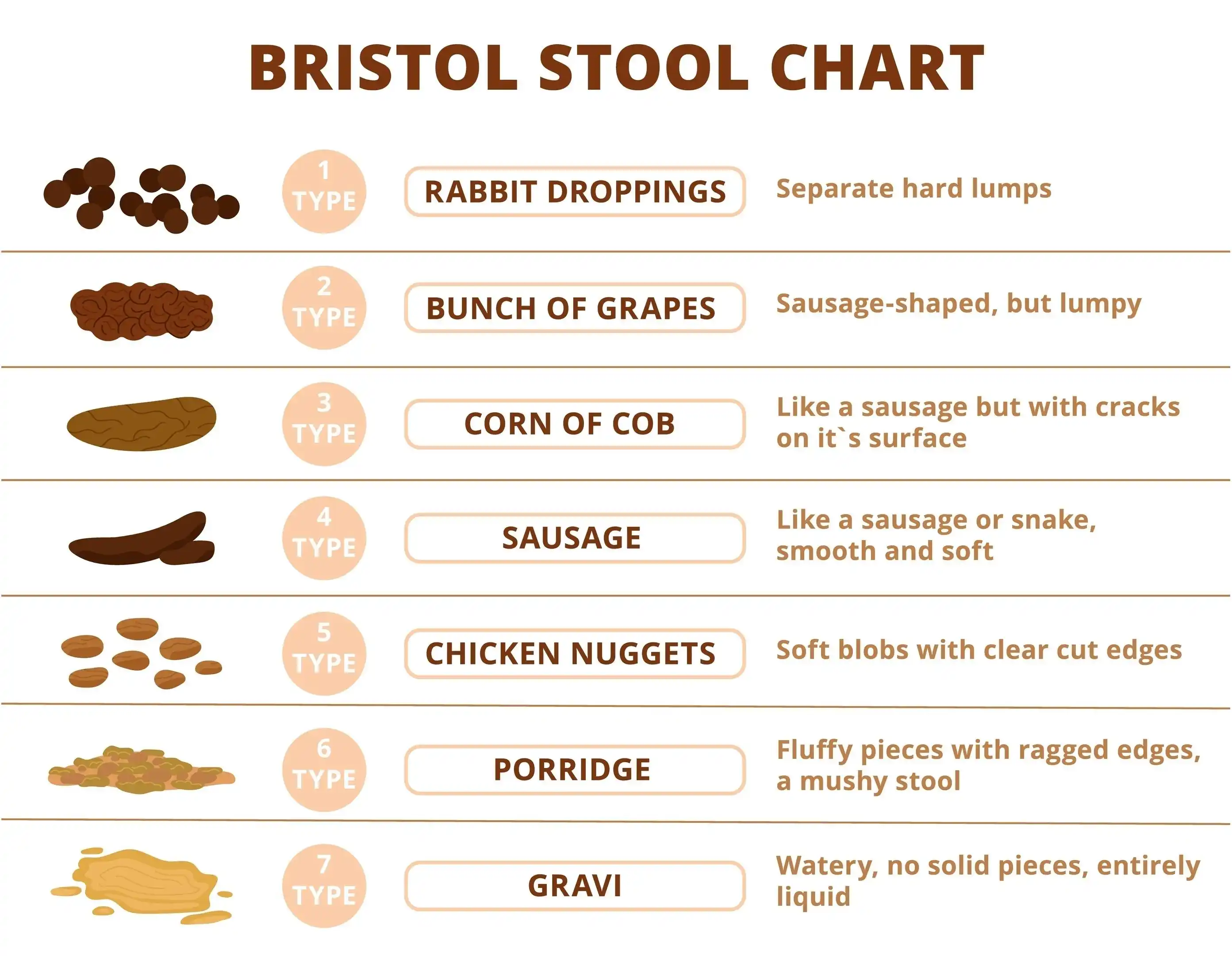
1. What Your Dog’s Stool Is Telling You
When assessing diarrhoea, the details matter. Changes in consistency, frequency and colour can help guide what’s going on.
What’s normal?
- Firm, chocolate brown
- Easy to pick up
- Passed once or twice daily
Common patterns
Soft or “soft-serve” stool
Often associated with dietary indiscretion or a sudden change in diet.
Watery diarrhoea
Typically indicates involvement of the small intestine, where nutrient absorption occurs. Dogs may pass larger volumes and are at higher risk of dehydration.
Mucus or jelly-like coating
Suggests large bowel (colonic) inflammation.
Frequent small amounts with urgency
Also consistent with large bowel diarrhoea.
2. Stool Colour: What It Can (and Can’t) Tell You
Stool colour can provide clues, but it’s not diagnostic on its own.
- Yellow/orange
May reflect rapid transit through the gut or changes in bile processing. Not specific for liver or gallbladder disease. - Green
Most commonly due to grass ingestion. Occasionally associated with rapid transit. - Pale or greasy
Can indicate fat malabsorption, such as with exocrine pancreatic insufficiency. - Black and tarry (melena)
Indicates digested blood from the upper gastrointestinal tract. This is urgent. - Bright red blood
Usually from the lower bowel. Small amounts can be seen with colitis, but larger volumes require prompt assessment.
3. Common Causes of Diarrhoea in Dogs
Dietary indiscretion (“garbage gut”)
By far the most common cause. Dogs are indiscriminate eaters, and even minor dietary changes can upset the gut.
Sudden diet changes
Rapid changes in diet can disrupt the gut microbiome. Transitions should occur gradually over several days.
Parasites and infections
- Giardia
- Whipworm
- Viral infections such as parvovirus (particularly in unvaccinated puppies)
Environmental risks (Australia)
- Blue-green algae exposure
- Paralysis ticks (occasionally associated with gastrointestinal signs)
4. Home Care: The First 24 Hours
If your dog has mild diarrhoea but is otherwise bright, eating and drinking, supportive care at home is often appropriate initially.
Diet
Offer a bland, highly digestible diet:
- Boiled chicken breast (no skin or seasoning)
- White rice
Alternatively, a veterinary gastrointestinal diet can be used.
Feed small, frequent meals rather than large portions.
Fasting
A short period (e.g., 2 hours) without food may help in some cases, but prolonged fasting is not necessary for most dogs. Avoid fasting in:
- Puppies
- Small breeds
- Dogs prone to hypoglycaemia
Hydration
Monitor closely for signs of dehydration:
- Gums should be moist and slippery
- Skin should return quickly when gently lifted over the shoulders
Adjuncts
Probiotics may help restore normal gut flora, particularly in cases of dietary indiscretion or stress-related diarrhoea.
5. When to See a Vet
Seek veterinary attention promptly if you notice any of the following:
- Vomiting alongside diarrhoea
- Lethargy or weakness
- Blood in the stool (especially large amounts or black stool)
- Signs of abdominal pain (e.g. “prayer position”)
- Ongoing diarrhoea beyond 48 hours
- Reduced appetite or refusal to drink
- Puppies, elderly dogs, or dogs with underlying health conditions
6. In-Home vs Clinic Care
For some dogs, particularly those who are anxious or potentially infectious, in-home veterinary care can be a lower-stress option.
However, both home visits and clinic-based care play important roles. The priority is ensuring your dog receives timely and appropriate treatment.
Taking photos of your dog's stool can provide valuable information for your vet to quickly rule out or rule in possible causes.
Summary
Most cases of diarrhoea in dogs are mild and resolve with supportive care. The key is to monitor closely and recognise when something isn’t quite right.
If in doubt, it’s always safer to have your dog assessed early intervention can prevent a simple problem from becoming more serious.
By Dr Gayle Kothari - BVSc/DVM, registered veterinarian
Last updated on 24th April 2026
About the author

Dr Gayle Jasmin Kothari is a mobile vet in South Australia with over 10 years of experience in small animal medicine, surgery, and animal welfare. She is passionate about making home visit vet care more accessible and less stressful for pets and their families, with expertise in thoughtful in-home treatment, ongoing health support, and compassionate end-of-life care. https://www.linkedin.com/in/gayle-kothari/
Our company
Open 7 days a week from 6:00am to 11:00pm including public holidays
© 2026 Pawssum Pty Ltd. All rights reserved.