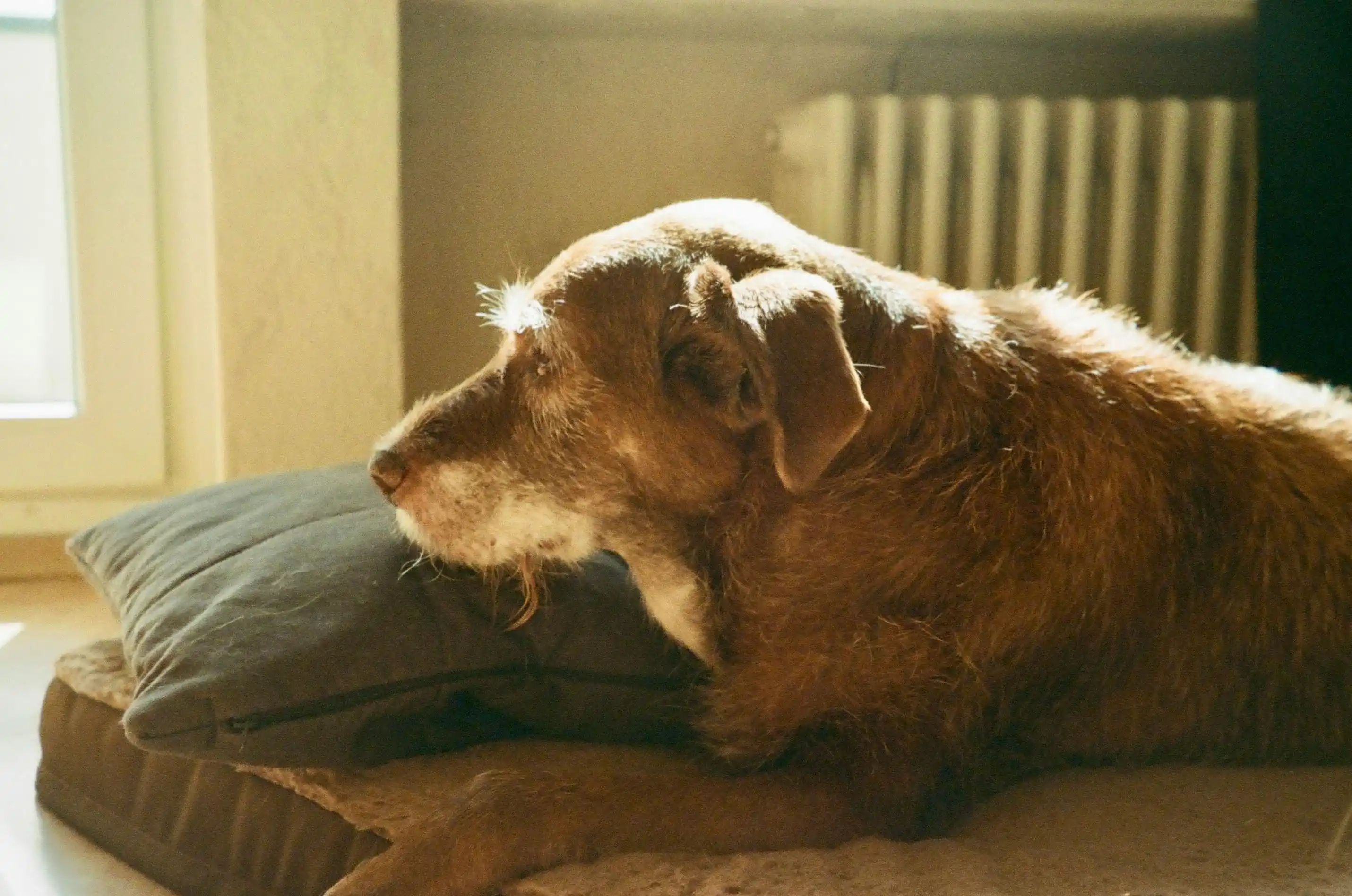
Peaceful At-Home Pet Euthanasia for Dogs and Cats Across Australia
Compassionate mobile vets bring peace, privacy and dignity to your pet's final moments, in their favourite spot, surrounded by the people they love most.
Trusted by 380,000+ Australian families · 4.6 stars from 2,805 Google reviews · Available 7 days, 6:00am to 11:00pm · From $399
Medically reviewed by Dr Sarah, BVSc/BVetBiol. Last updated 1 October 2026.
Available Australia-wide

Why families choose at-home pet euthanasia
Saying goodbye is one of the hardest things you will ever do. Where it happens matters. For most pets, home is where they feel the most comfortable, around their favourite people. Removing the stress of a car ride to the clinic means your pet's final farewell can happen in the comfort of their own home.
Resting in a familiar place
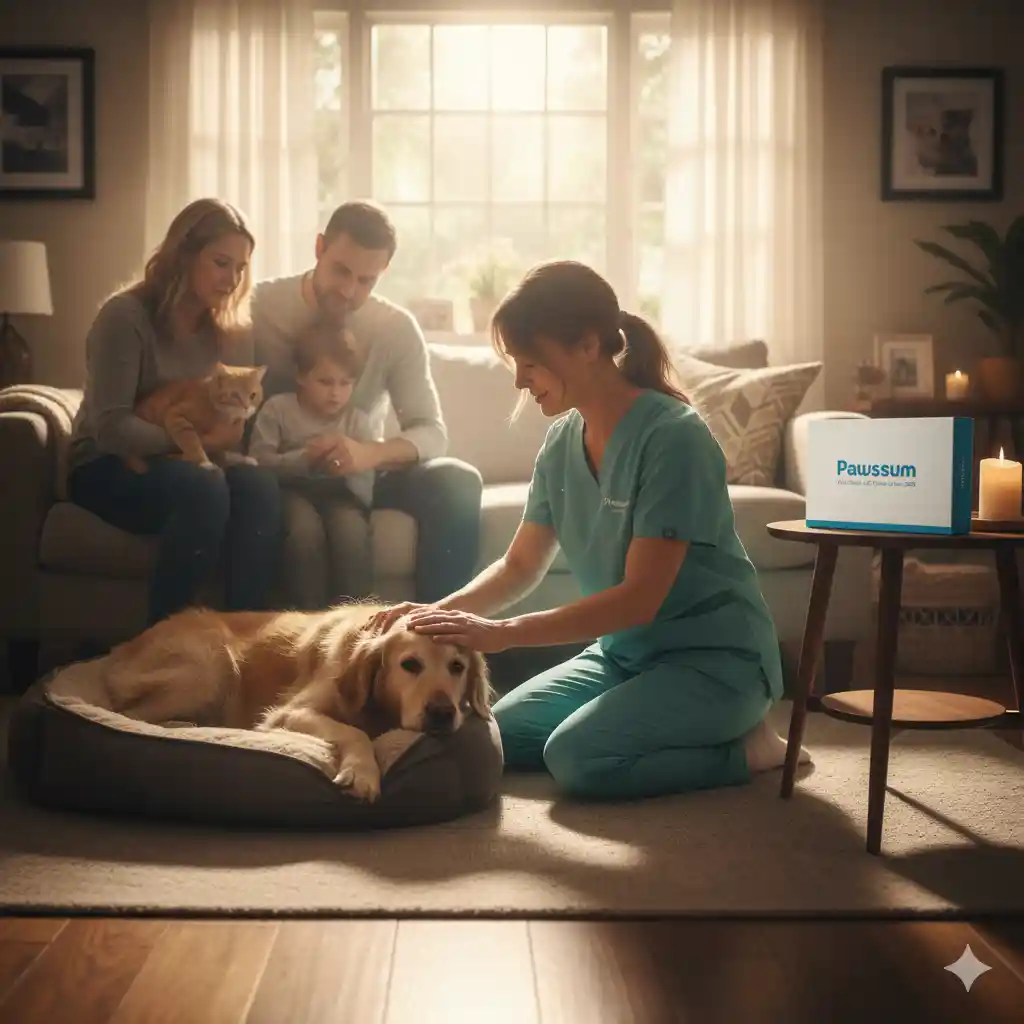
At home is where your pet feels safest. In their final moments they feel the calmness of being around those they know, smell their favourite scents, and hear their favourite sounds. There is no carrier, no waiting room, no clinic floor. Just their bed, their spot of choice, and their family.
Time to share every moment
Away from the clinic schedule, there is time to be with your pet however you choose. Read aloud, play their favourite music, share some memories, or just sit in quiet together. Our vets allow up to an hour for each appointment. There is no rush.
Privacy for family and friends
Within the walls of your own home, you have the freedom to express what you feel, whether that's tears, laughter or quiet reflection. You can have privacy to mourn and remember together, with whoever matters most to you and your pet.
At-home euthanasia for dogs and cats
At-home dog euthanasia
Dogs of any size can be helped at home. Large and elderly dogs who struggle with stairs, car rides or slippery clinic floors often benefit most, because they never have to be lifted or moved. Your vet will come to wherever your dog is resting, whether that's their bed, the lounge or a favourite spot in the garden. For very large or anxious dogs, the vet may use a slightly stronger sedative so they settle quickly and calmly. Read more about when it may be time to say goodbye to your dog.
At-home cat euthanasia
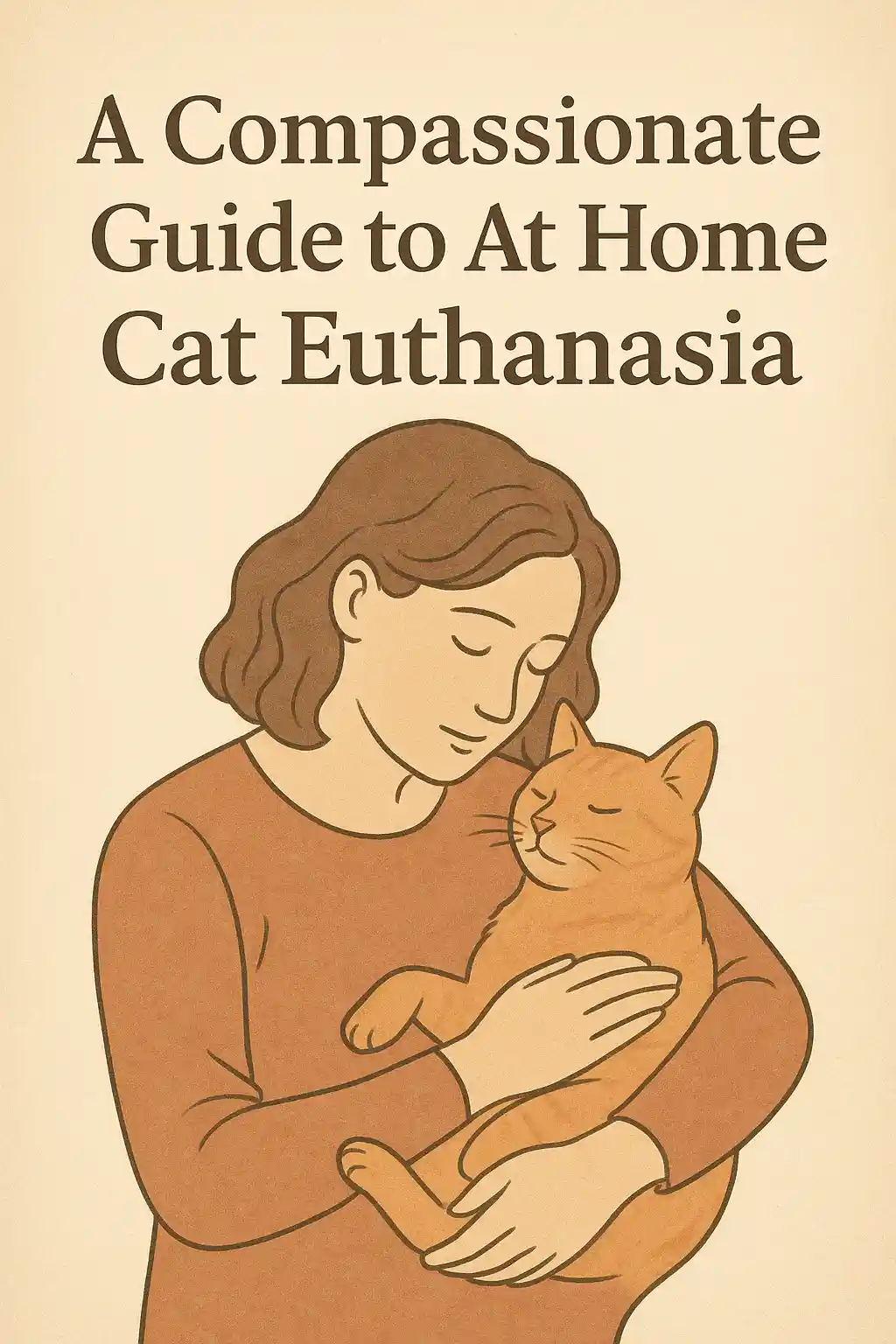
Most cats find the carrier and car trip to a clinic very stressful. At home there's no carrier and no strange smells, so your cat can stay curled up in their usual spot while the vet works quietly around them. Our vets are experienced with nervous cats and will take things slowly. If you're unsure about timing, our guide on when a cat should be humanely euthanised may help, and you can see cat euthanasia costs in Australia here.
How much does at-home pet euthanasia cost in Australia?
We believe in transparent, upfront pricing so you can focus on your pet, not on working out fees during one of the hardest moments of your life.
Peaceful at-home euthanasia from $399
Your $399 in-home euthanasia service includes:
- A licensed, experienced mobile vet who comes to your home at a time that works for you
- Gentle sedation before the procedure so your pet feels no fear or distress
- The euthanasia procedure itself, performed with care and compassion
- Unhurried time to be with your pet, with no time pressure
- Guidance on aftercare options, with no obligation to decide on the day
All prices are confirmed before any booking is made. There are no hidden fees. Some circumstances may carry additional costs, such as extended travel beyond standard service areas or the need for additional sedation for highly anxious or aggressive pets.
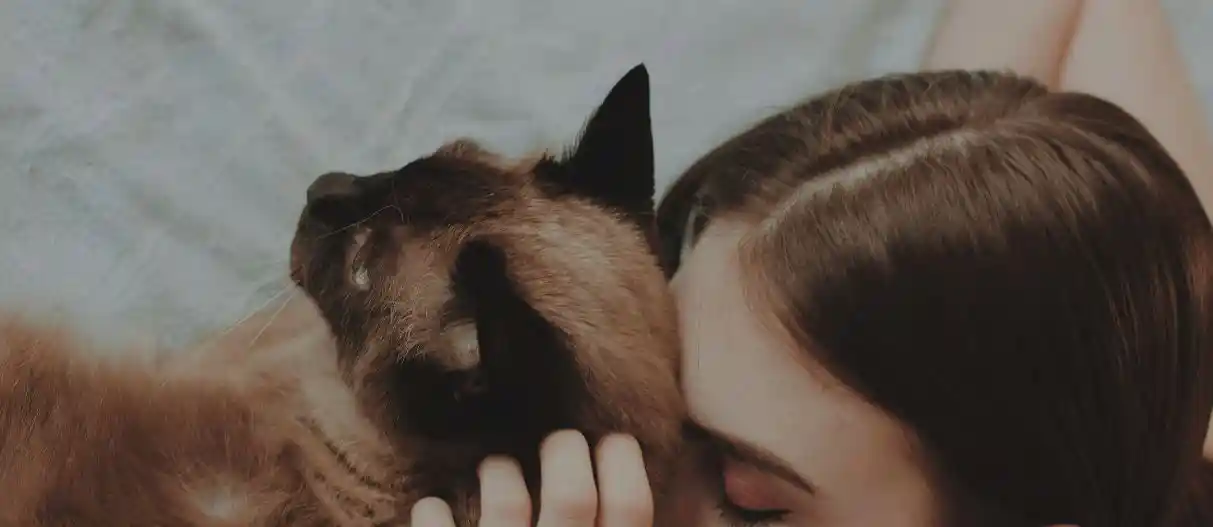
Peaceful euthanasia
From $399
Our team will book a licensed, experienced, and caring vet at a time that works for you.
Bookings are available until 11:00pm.





See more mobile vet costs
Pet cremation and aftercare services
Cremation is arranged separately so you can choose what feels right for your family. Pricing is upfront, and there is no obligation to choose any aftercare option. Our aftercare team will contact you to assist with options if required.
General cremation
From $279
Includes: - Careful and respectful transport
- Cremation with friends (other pets)
- Ashes scattered in the crematorium gardens
- Careful and respectful transport
- Cremation with friends (other pets)
- Ashes scattered in the crematorium gardens
Private cremation (ashes returned)
From $459
Includes: - Careful and respectful transport
- Guaranteed individual cremation
- Ashes carefully delivered to you (in container)
- Careful and respectful transport
- Guaranteed individual cremation
- Ashes carefully delivered to you (in container)
Remembrance options
Call for a quote
Includes: - Careful and respectful transport
- Guaranteed individual cremation
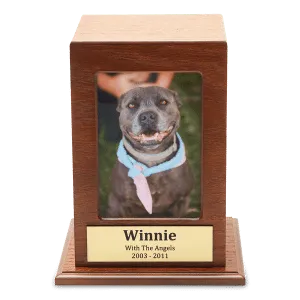
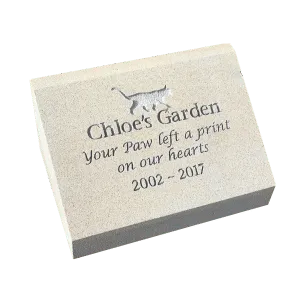
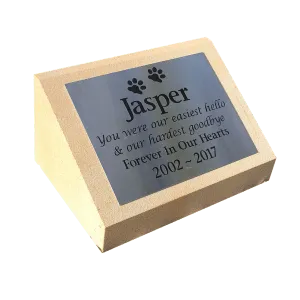
- Ashes carefully delivered to you in a beautiful urn
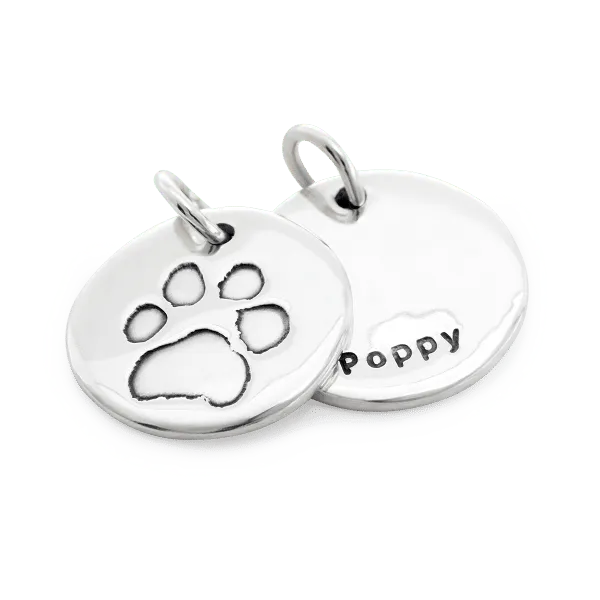
Plus, your choice of: - Paw prints
- Keepsake jewellery
- Fur clippings
and other memorabilia to remember your pet by.
- Careful and respectful transport
- Guaranteed individual cremation
- Ashes carefully delivered to you in a beautiful urn
- Paw prints
- Keepsake jewellery
- Fur clippings
Payment options include Visa, Mastercard, American Express, Vet Pay, and Zip Pay.
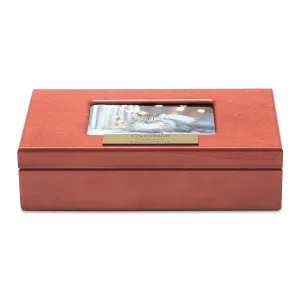
Our memorabilia will help you create a beautiful and meaningful tribute to your pet







How does in-home pet euthanasia work?
Many pet owners feel anxious about what will happen, especially if they have never been through this before. Knowing what to expect can take a great deal of weight off the moment itself. Here is exactly how the process works, from the moment our vet arrives until they leave your home.
The process step by step
- Arrival and introductions. Our vet will arrive in plain clothes (no scrubs or white coats) at the agreed time. They will meet your pet wherever your pet feels most comfortable.
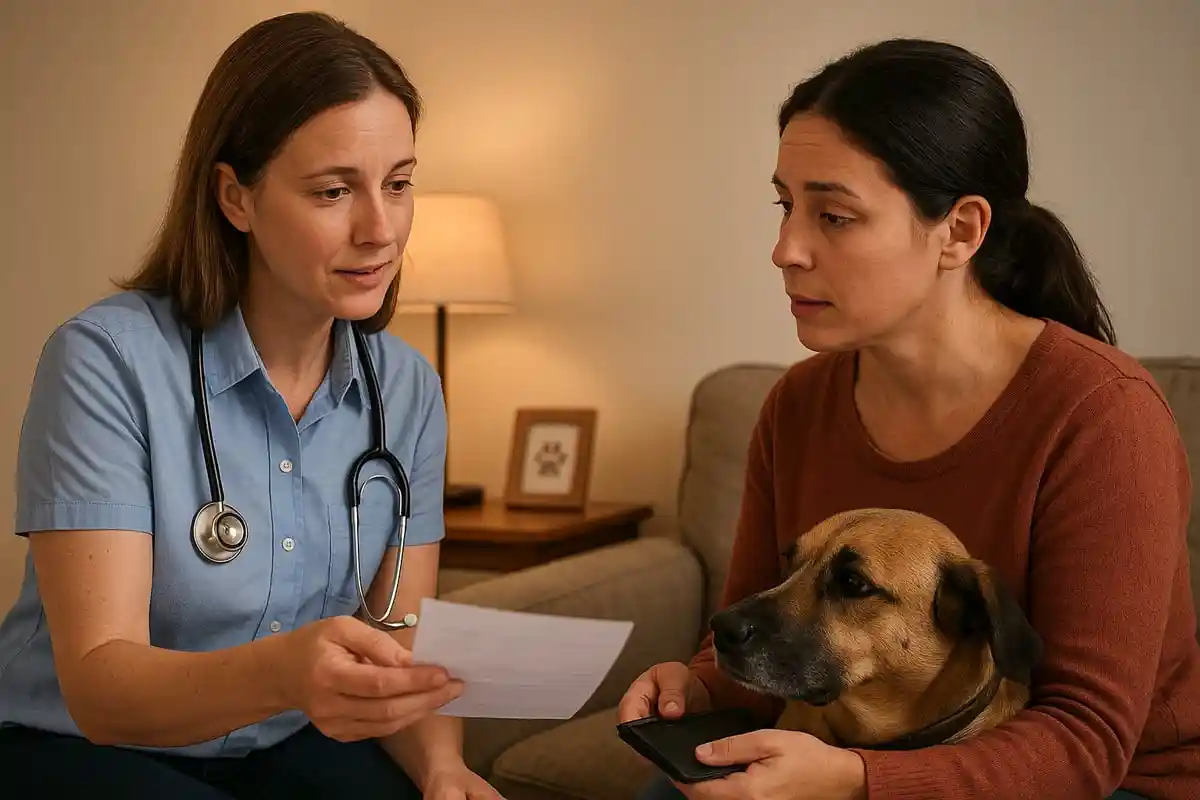
- A gentle conversation. Before anything begins, our vet will sit with you and talk about your pet's condition. We will answer any questions you have and give you an overview of each step. Nothing will happen until you are ready.
- Sedation. To help keep your pet calm and comfortable, we will administer a small sedative. The sedative is given with a tiny needle, which most pets do not even notice. After administering the sedative, your pet will enter a deep sleep within about ten minutes, feeling calm and warm, just like being under anaesthesia.
- The final medication. Once your pet is fully asleep, we will administer one final medication. Your pet will drift deeper into sleep, and their heart will gently stop within a minute or two. There is no pain or distress. Your pet is simply already asleep when they pass. If you'd like to know more, our vets explain whether pet euthanasia is painful in more detail.
- Time to say goodbye. After administering the medication, our vet will step away to give you some space. You take however long you need to be with your pet.
- Aftercare arrangements. When you are ready, we will discuss your options for aftercare. If you have chosen cremation, we will take care of transporting your pet. If you have chosen to bury your pet at home, your pet will remain with you.
What to expect on the day
In the hours before your appointment, you and your family can spend some quiet time with your pet doing whatever feels right. There is no right or wrong way.
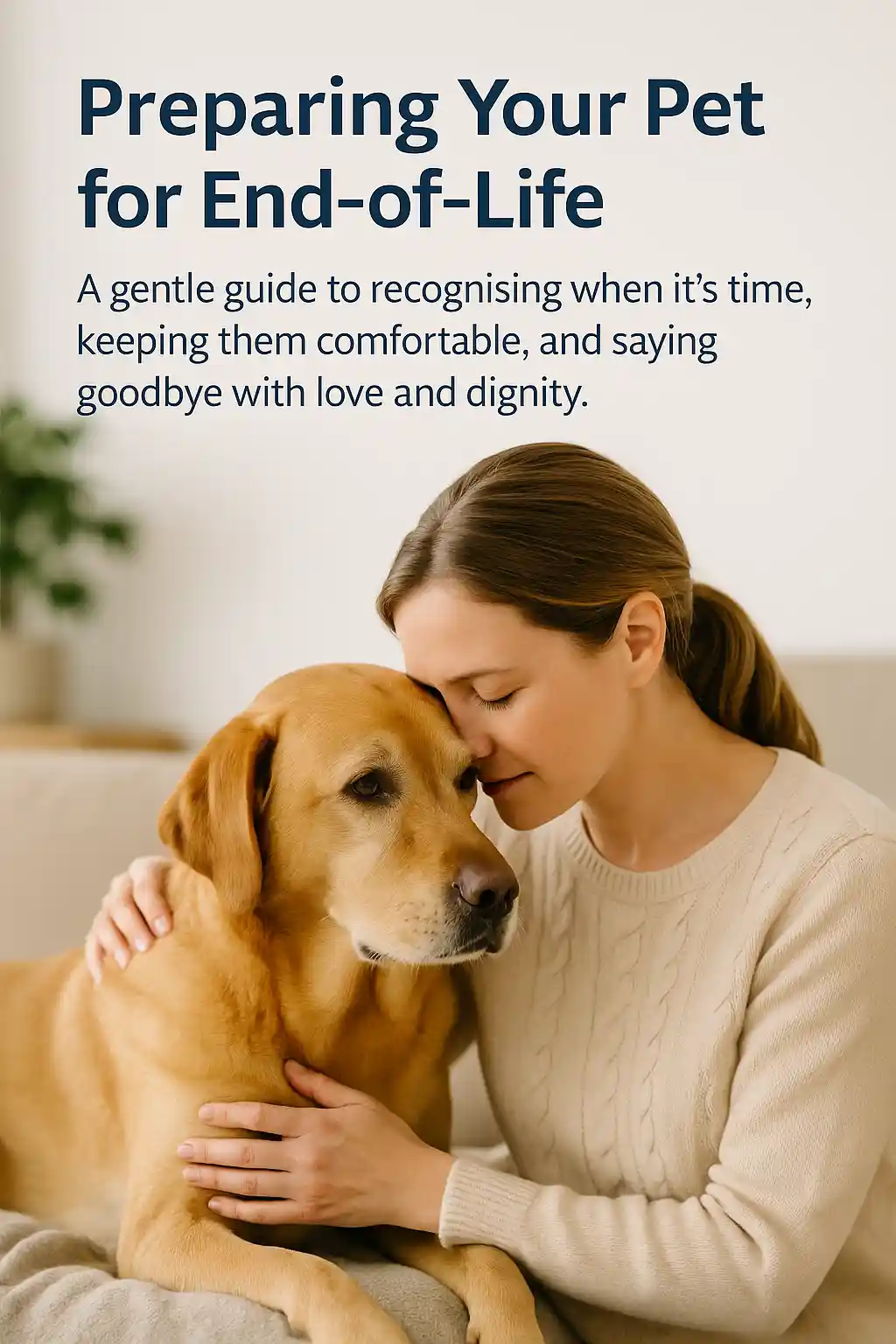
When the veterinarian arrives, they will quietly introduce themselves to your pet to give them time to settle in. The appointment will take approximately 45 minutes to an hour. Your pet does not have to be moved from wherever they are comfortable. The veterinarian will come to them. Our guide to preparing your pet for end of life has ideas for those last hours together.
After your pet has passed
Grief is not linear. There is no timeline for how you are meant to feel in the days and weeks to come. While you may experience acute sadness, you may also experience a sense of relief that your pet is no longer suffering. Both of these feelings are a part of your love for the companion who has passed.
If you have other pets at home, allowing them to see and smell their companion one last time may help them to process their loss. Many pet owners find that their surviving pets settle more peacefully following such a visitation.
Should you like to speak with someone during this time, both the Australian Centre for Grief and Bereavement and Lort Smith offer counselling to those who have lost a pet companion. Your vet can point you to these resources during the appointment.
You can read more about what happens to your pet's body after at-home euthanasia.
When is it the right time? Recognising the signs
Knowing when to say goodbye is one of the hardest parts of pet ownership. There is no single moment when most pet owners arrive at the decision. Instead, they take days or even weeks to fully consider it. Our veterinarians have guided over 380,000 Australian families through this decision, and while every pet is different, there are some common signs that may indicate it is time for your companion to rest.
Physical signs your pet may be suffering
- Persistent pain that medication no longer manages well
- Difficulty standing, walking, or getting up from rest
- Loss of appetite, or refusing food they previously loved
- Laboured breathing or visible discomfort even at rest
- Loss of bladder or bowel control combined with apparent distress about it
- Significant weight loss or muscle wasting over a short period
- Untreatable, recurring infections or open wounds
Behavioural signs to watch for
- Withdrawing from family members and other pets
- Hiding in unusual places, or avoiding their favourite spots
- No longer responding to things they once enjoyed, like walks, food, play or affection
- A flat, distant look in the eyes; what many owners describe as 'the light going out'
- Restlessness, pacing, or being unable to settle comfortably
- Vocalising in pain or confusion, especially at night
A practical question to ask
Many veterinarians point to a simple question that has helped pet owners make this decision: are there now more bad days than good for your pet?
If there have been few good days lately and the bad days seem to outweigh the good ones, it may be time.
This is not a decision to be made lightly. However, vets would encourage pet owners to make this decision in honour of the life their pet has brought to the family. Many veterinarians hear most often from those who waited too long, and rarely from those who said goodbye when their pet was in their final days.
If you are unsure, you do not have to decide alone
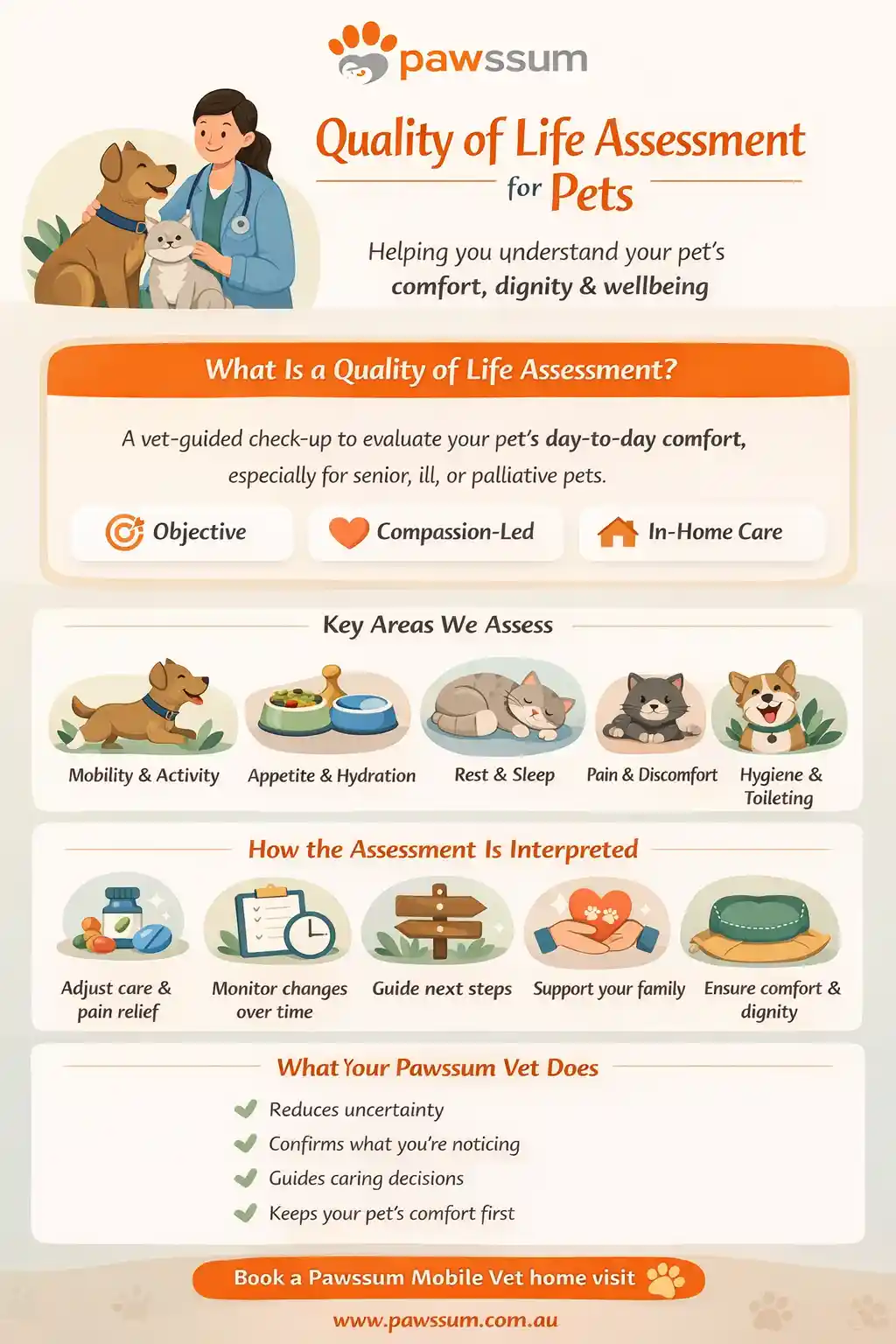
Complete our free Quality of Life Assessment below to help identify signs of suffering in your pet. While not a replacement for a veterinarian's assessment, it can help you understand your pet's wellbeing more clearly.
If you would like to speak with a veterinarian without making any commitments, we offer Telepet video consultations from $69. These no-pressure consultations allow our veterinarians to help you recognise whether your pet still has good time ahead.
Prefer a quick chat first? You can book a free end-of-life phone consult with one of our vets.
If you would like a veterinarian to come to your home for an in-person assessment, we can arrange an in-home visit from $159. Our vet will examine your pet and provide you with the information you need to make an informed decision.
Meet our compassionate mobile vets
Veterinary euthanasia requires more than veterinary skill. It requires the warmth, the calm, and the patience to be with one of the hardest moments in a family's lifetime. Every veterinarian in our network has been chosen for both of these roles.
Licensed, verified, and experienced
All Pawssum vets are fully licensed by the relevant Australian state veterinary boards, possess professional indemnity insurance, and have years of experience in veterinary medicine. Many of our partner veterinarians have specialised in palliative and end-of-life care for pets.
Available 7 days, 6:00am to 11:00pm
We operate 365 days per year, including public holidays, across our service areas. When time is of the essence, we are here for you.

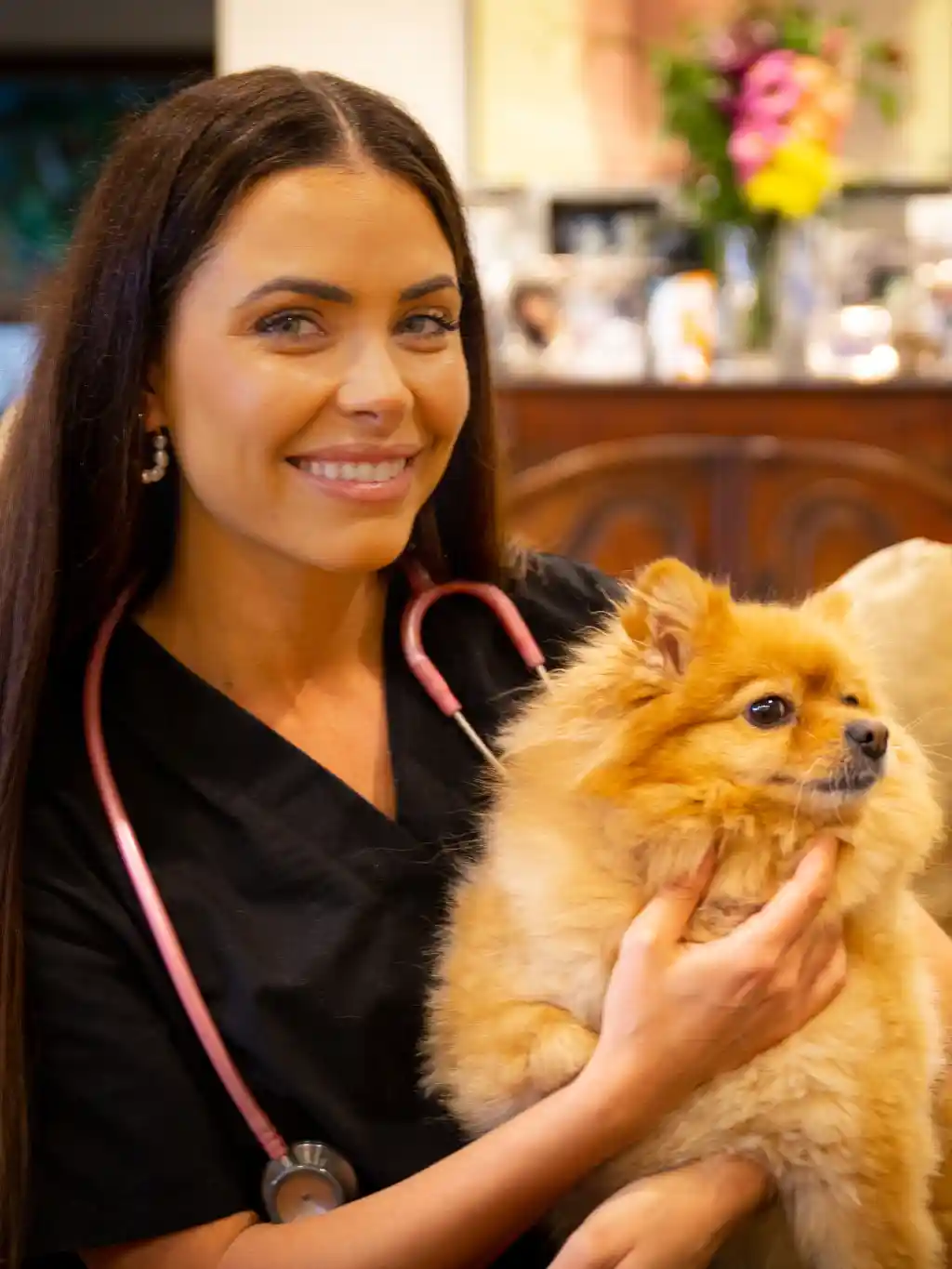
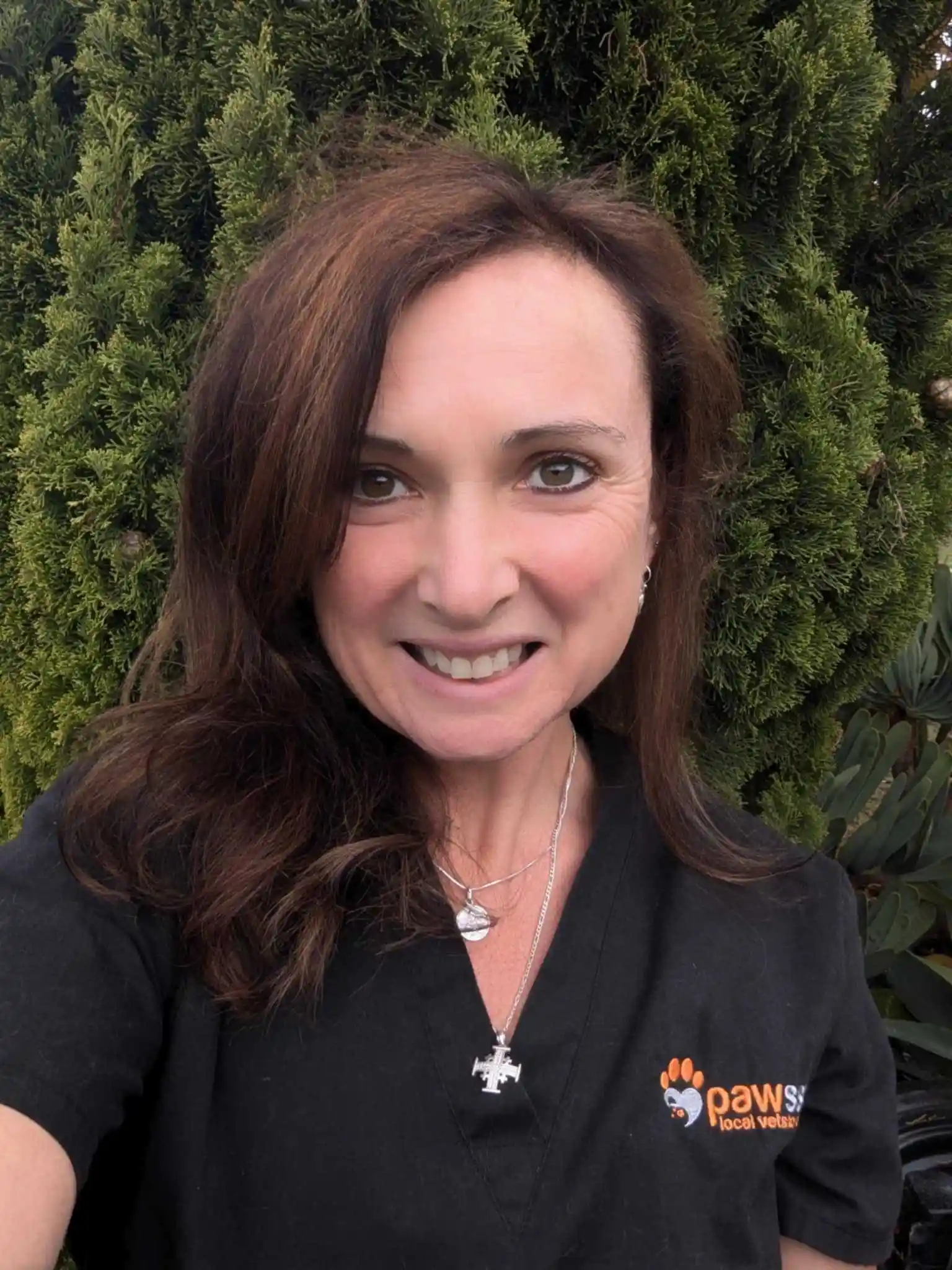
Dr. Callie
Bachelor of Veterinary Medicine & Surgery (BVMS)
Brisbane/Gold Coast
Dr. Olivia
Bachelor of Veterinary Science and Veterinary Medicine (BVSc/BVM&S)
Sydney
Dr. Tamara
Doctor of Veterinary Medicine (DVM)
Melbourne

Dr. Tim
Bachelor of Veterinary Science (BVSc)
Canberra

Dr. Jessica
Bachelor of Veterinary Science (BVSc)
Melbourne
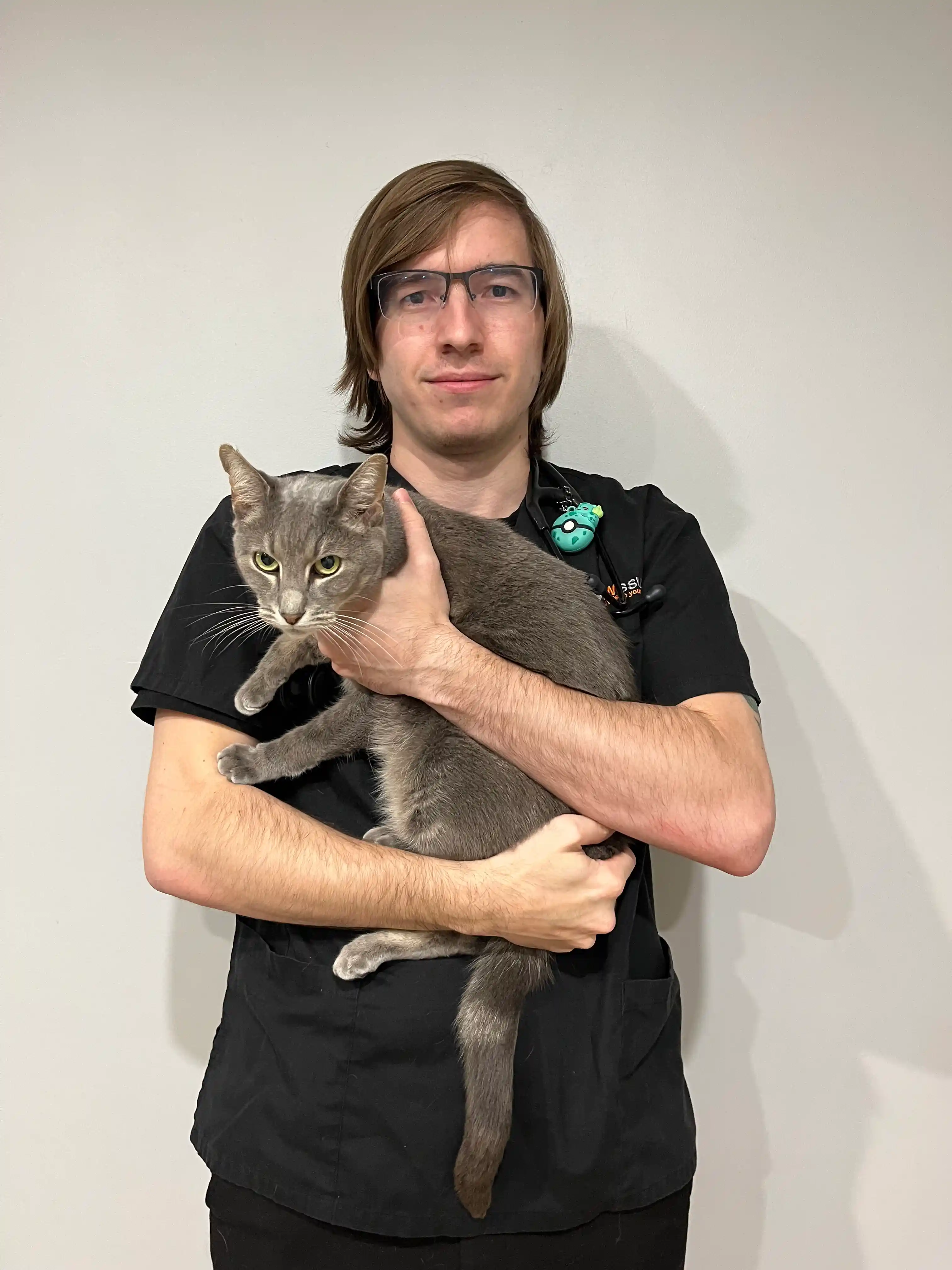
Dr. Jarrod
Doctor of Veterinary Medicine and Bachelor of Veterinary Science (DVM/BVSc)
Perth
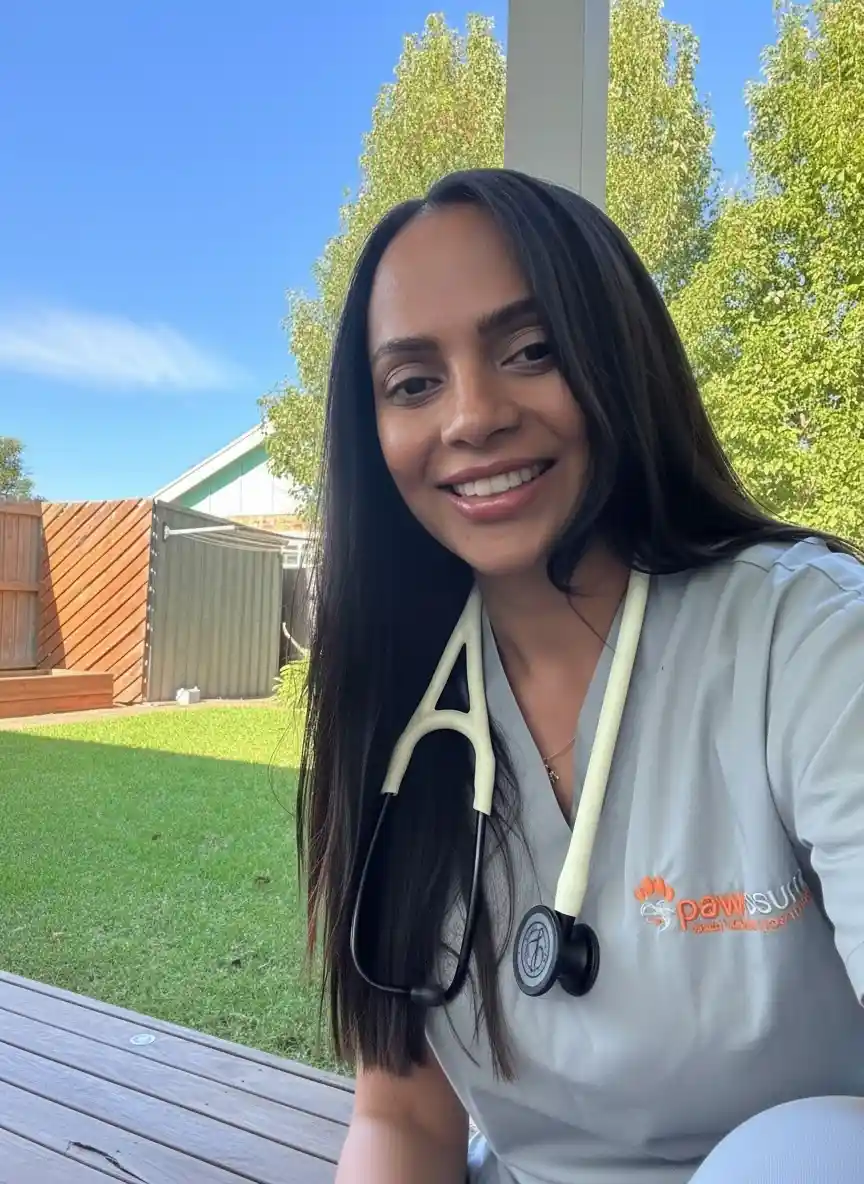
Dr. Gayle
Doctor of Veterinary Medicine (DVM)
Adelaide

Dr. Jessica
Doctor of Veterinary Medicine (DVM)
NSW Central Coast
Get a quick assessment of your pet's quality of life
If you are not ready to speak with someone and just want a little more guidance on whether pet euthanasia is the right decision, you can use our quality of life assessment tool below. It is only a guide, and symptoms should always be assessed by a vet, but it might put you on the path to making the right choice for your companion.
Not sure if it's time? Talk to one of our vets
If you'd like the reassurance of a vet coming to your home for an in-person assessment, we can organise a vet to come to you. Our friendly and compassionate vet will assess your pet's vitals, overall condition, levels of pain, discomfort, mobility, illnesses, and any other welfare-related issues. They will also be able to advise you about whether your pet is suffering or not with certainty. You will get all the information you need to do what's right for your best friend. Peace of mind from just $159.
Preparing ahead with prepaid funeral services
Losing a pet is one of the hardest parts of life, and thinking about it in advance can feel overwhelming. But planning ahead can also be an act of love, a way to make sure future moments are handled with care and less stress.
Pawssum's prepaid funeral services give pet owners the option to plan arrangements early for their other pets. You can decide on the type of farewell, choose memorial options and settle costs in advance. When the time eventually comes, everything is already organised, allowing you to focus fully on being there for your pet.
Where we provide at-home pet euthanasia
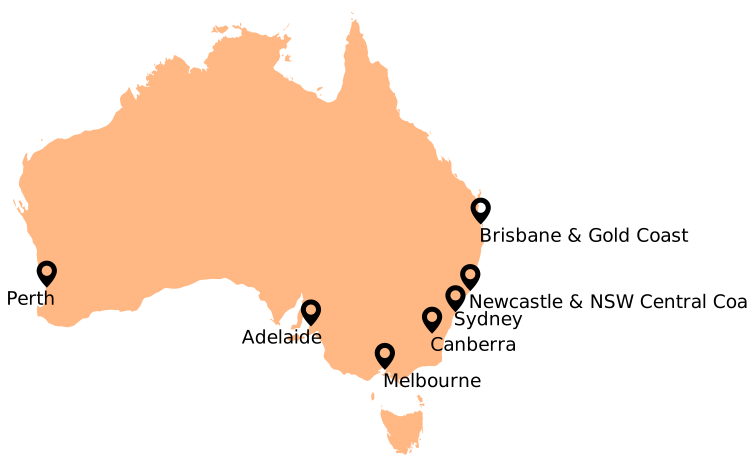
Pawssum connects pet owners with mobile veterinarians who provide euthanasia at home across Australia. Click on your region to view which veterinarians are available in your area and book an appointment today.
New South Wales
Sydney: covering metro Sydney, Northern Beaches, Eastern Suburbs, Inner West, North Shore, and surrounding areas.
Newcastle: covering Newcastle, Lake Macquarie, Maitland, and the Hunter region.
NSW Central Coast: covering Gosford, Wyong, Tuggerah Lakes, and surrounding suburbs.
Victoria
Melbourne: covering metro Melbourne, Bayside, Mornington Peninsula, Eastern Suburbs, Yarra Valley, Traralgon, and surrounding areas.
Queensland
Brisbane: covering metro Brisbane, North Brisbane, South Brisbane, Logan, Redlands, and surrounding suburbs.
Gold Coast: covering the Gold Coast from Coomera to Coolangatta and the hinterland.
Other states and territories
Adelaide (SA), Perth (WA) and Canberra (ACT): covering metro areas and surrounding suburbs. Adelaide families can also read our guide to dog euthanasia costs in Adelaide.
If you are outside our standard service area, please call 0480 030 580. We may still be able to arrange a vet, with any travel fee discussed transparently before booking.
Sydney NSW · Newcastle · NSW Central Coast · Adelaide SA · Melbourne VIC · Canberra ACT · Brisbane QLD · Gold Coast · Perth WA
Frequently asked questions about at-home pet euthanasia
The process begins with a discussion between you and the vet about your pet’s condition. Once everyone is ready, the vet will give a small sedative so your pet can relax and drift into a deep, restful sleep. When they’re fully calm, a second injection is given to stop the heart gently.
Most pets pass within a few moments, unaware and free of distress. You can stay beside them the whole time, speak softly or hold them if you wish. Afterward, your vet will give you space for goodbyes and explain options for cremation or memorial keepsakes. The entire process is handled with kindness and respect.
Costs starts from $399 and depend on pet size, time of day, and additional services (e.g. cremation, memorial). Our team will provide a full quote at booking; the aim is to keep pricing transparent and fair.
Yes, in most cases, Pawssum Mobile Vets can provide same-day euthanasia appointments, depending on your location and vet availability.
We understand how important timing can be during such a difficult moment, and we always do our best to accommodate urgent or same-day requests with compassion and care.
For guaranteed availability, we recommend calling our support team on 1300 343 580 directly for immediate assistance.
In most cases, Pawssum’s at-home euthanasia service includes gentle pre-sedation to help your pet relax peacefully before the final injection.
However, in some situations, such as with larger pets, highly anxious, aggressive animals, complex medical conditions, an additional anaesthetic dose or stronger medication may be required to ensure full comfort and relaxation.
If this is needed, your vet will discuss it with you beforehand and explain any extra cost involved. We believe in full transparency, so there are never any hidden fees — only the care and medication necessary to make the experience completely peaceful and pain-free for your pet.
We support both dogs and cats (and in many cases small pets) through our in-home euthanasia service. Your vet will assess whether the at-home environment is safe and appropriate for your pet’s condition.
Signs will include not having an appetite, not being able to walk, yelps due to pain, medications not working, your pet giving up, your pet avoiding its bed, and general suffering. If you are not sure that it is time for euthanasia, you can book our quality of life assessment or a Telepet video call or chat, and one of our experienced vets will guide you.
Yes. Having your pet’s loved ones around in their familiar home helps make the farewell calm and meaningful. Your vet will explain the process, answer questions and respect your pace.
Yes. After the procedure, you can choose from communal cremation (from $279) or private cremation with ashes returned (from $459). Remembrance options including paw prints, keepsake jewellery, fur clippings, and urns are also available. Your vet will walk you through all options and pricing with no obligation to decide on the day.
Yes — before the procedure, you’ll be asked by the vet to sign a consent form confirming that you are the legal owner (or authorised person) and that you understand and agree to proceed with euthanasia.
This is an important part of the process to ensure clarity, consent, and compliance with veterinary regulations.
If multiple family members are involved, only one authorised person needs to sign on behalf of the pet’s owner.
This comes from love. Our vets provide a compassionate consultation to help you gain clarity. We guide, we do not push.
You can also use our Quality of Life Assessment tool
Pawssum always provides our customers with an itemised invoice which can be submitted to your insurance provider for claims. Please inquire with your insurance to determine whether at-home vet visits are in your level of cover.
Watch for sustained loss of appetite, difficulty moving, incontinence, persistent pain, or fewer good days than bad. You can use our Quality of Life assessment that can help with this decision, as well as book a free call with our End of Life expert vets.
Quality of care is the most important factor when choosing a provider. Pawssum is one of Australia’s most highly-rated mobile veterinary services, having supported over 380,000 families. We maintain a focus on "Compassion at Scale," ensuring every vet in our network is vetted for their bedside manner. You can read independent Pawssum reviews from thousands of Australian pet owners who have experienced the peace and dignity of a home farewell firsthand.
While many traditional clinics focus on in-hospital care, Pawssum operates a nationwide network of local mobile veterinarians who specialize specifically in at-home end-of-life care. We serve most major Australian cities and regional hubs, including:
- Sydney, Melbourne, Brisbane , Gold Coast , NSW Central Coast
- Perth, Adelaide, and Canberra , Newcastle By booking a mobile service, you ensure a local vet comes directly to your door, saving your pet the stress of a final car journey.
Yes. In 2026, most families prefer the ease of online booking for pet euthanasia. Platforms like Pawssum allow you to select a date and time that suits your family, provide details about your pet’s health, and even pre-arrange aftercare services like cremation. This eliminates the need for difficult phone conversations during an emotional time, though phone support remains available for those who prefer to speak with a compassionate coordinator.
Euthanasia may appear uncomfortable to the pet owner. However, it will not be painful for your pet. A combination of drugs used during euthanasia ensure that within seconds, awareness is gone and the animal falls into a state of unconsciousness. During the next couple of minutes after the drugs are given there may be nerve and muscle twitching, vocalisations, urination, defecation, and open eyelids - these might be scary to see but your pet will be unconscious and unaware of all of these actions. They will not feel any pain.
We know how hard this must be, so we're with you every step of the way.
Over 380,000 pet lovers trust Pawssum, read their reviews below
Related guides and articles
When the time comes, we are here.
Speak with one of our caring team members on 0480 030 580, or book online for a date and time that suits you. We are available 7 days a week, 6:00am to 11:00pm, including public holidays. Same-day appointments are often available.
Our company
Open 7 days a week from 6:00am to 11:00pm including public holidays
© 2026 Pawssum Pty Ltd. All rights reserved.