What Is a Cavoodle? Ultimate Guide to This Family Dog
Quick answer: A Cavoodle, also called a Cavapoo, is a cross between a Cavalier King Charles Spaniel and a toy or miniature Poodle. Adults usually weigh 5 to 12 kg and live about 10 to 14 years. They are affectionate, low-shedding family dogs that need regular grooming and can be prone to separation anxiety.
What Is a Cavoodle?
The Cavoodle is a popular designer dog breed a beloved cross between a Poodle (usually Toy or Miniature) and a Cavalier King Charles Spaniel.
Bred to combine the best of both worlds the gentle, affectionate nature of the Cavalier and the intelligence and hypoallergenic coat of the Poodle Cavoodles have become cherished family pets, especially in Australia and many other countries. (Wikipedia)
Because Cavoodles aren’t a “pure breed” with strict standards, each dog is unique size, coat type, temperament and appearance can all vary depending on which parent’s traits they inherit. (Wikipedia)
Cavoodles, also called Cavapoos, were developed in Australia in the 1990s as an adaptable, low-shedding companion for suburban and inner-city homes. They are consistently reported as the most popular dog breed in Australia.
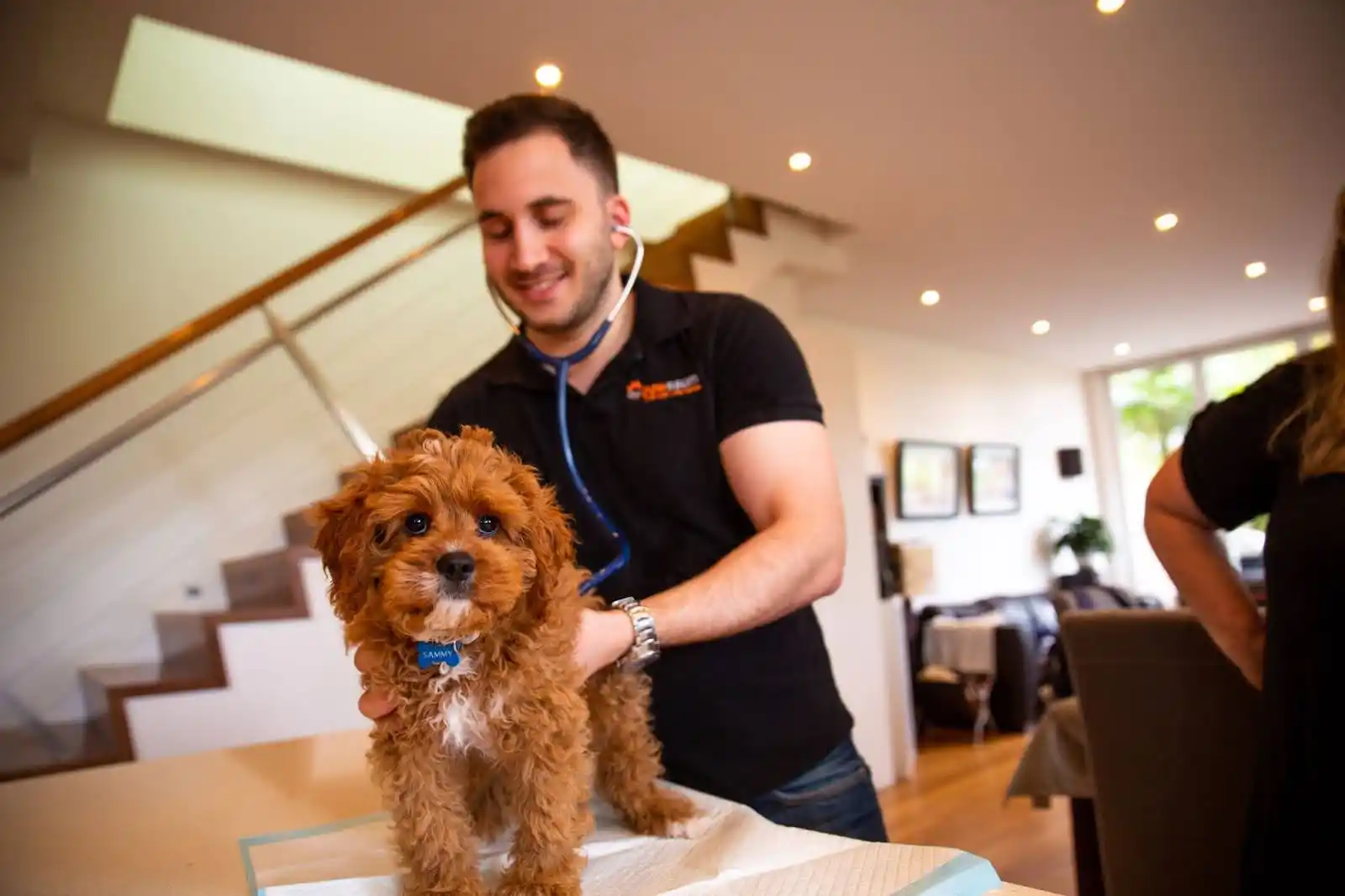
Personality & Temperament: What to Expect
Cavoodles are well-known for being:
- Affectionate & people-oriented: They usually form strong bonds with their family and love being with people, children and other pets alike.
- Friendly and social: Most Cavoodles enjoy being part of family life at home cuddles, play time, and companionship bring them joy.
- Intelligent and trainable: Thanks to their Poodle heritage, they catch on quickly and respond well to positive reinforcement and consistent training.
- Moderately energetic: While they enjoy play, walks and games, they often have a mellow side too happy to relax indoors or lounge on the couch.
That said every Cavoodle is unique. Depending on who they inherit more from (Poodle or Cavalier), some dogs may lean more energetic and curious, while others might be calm, cuddly lap dogs.
Separation anxiety in Cavoodles
Cavoodles bond closely with their families, and that attachment can turn into separation anxiety or over-dependence if boundaries are not set. On home visits, our vets are often asked about:
- Barking or crying when left alone
- Following family members from room to room
- Chewing, digging and other destructive behaviour when left alone
Predictable routines, food puzzles, and short, positive goodbyes and hellos all help.
📏 Size, Lifespan & Basic Stats
Here’s a quick snapshot of what you can expect when raising a Cavoodle:
|
Trait |
Typical Range / Detail |
|---|---|
|
Adult weight |
~ 5 kg to 12 kg pet-calorie-calculator |
|
Shoulder height |
~ 25 cm to 38 cm (varies by parent breeds) |
|
Fully grown by |
~ 8 - 10 months |
|
Typical lifespan |
~ 10 - 14 (sometimes up to ~ 15) years with good care |
|
Energy level |
Medium - needs daily walks / play + mental stimulation |
Because Cavoodles are a hybrid breed, there’s no strict “standard size or coat type,” so you may see variation even among litter-mates.
Coat, Grooming & Shedding
One of the biggest advantages of a Cavoodle for many families: they often come with a low-shedding or hypoallergenic coat, inherited from the Poodle side.
Coat types vary some Cavoodles have soft, wavy fur; others have tight curls; some coats may be more silky (like the Cavalier), others woolly (like the Poodle).
Grooming involves:
- Weekly brushing (or more often if curly) to prevent mats and tangles.
- Regular professional grooming every 6-8 weeks (or as needed).
- Regular ear checks, dental care, and coat maintenance especially if your Cavoodle has curly or wavy fur.
This makes Cavoodles a strong match for owners who dislike heavy shedding or have mild allergies but they are a lifelong grooming commitment.
What our vets find at home visits
Many Cavoodles shed very little, but loose hair and dander stay trapped in the coat, so skipped grooming leads to matting and skin problems. On home visits, our vets often find:
- Matted fur behind the ears, under the collar and in the armpit and groin areas
- Red, irritated skin hidden under matted fur
- Overgrown nails and hair between the paw pads
Exercise, Training & Ideal Lifestyle
Cavoodles are adaptable dogs. They suit:
- Apartments, small homes or large backyards
- Families with kids or single adults
- People who enjoy both outdoor activity and quiet indoor time
Exercise needs: ~30-60 minutes per day a mix of walks, play, mental challenges and social time.
Training tips: Because Cavoodles are intelligent and eager to please:
- Begin training and socialisation early (8 weeks+).
- Use positive reinforcement (treats, praise, consistency)
- Provide mental stimulation toys, games, gentle challenges
With proper guidance, you’ll have a loyal, obedient and social companion.
Common Health Considerations
As with any crossbreed, Cavoodles may inherit health issues from either parent breed (the Poodle or Cavalier). Some conditions to watch out for:
- Heart issues, including heart valve disease (from Cavalier side) monitor breathing, activity tolerance as your dog ages.
- Joint issues, like hip dysplasia or patellar luxation especially if overweight or inactive.
- Eye problems or other breed-linked conditions regular checkups recommended.
- Sensitivity to neglect of grooming curly/wavy hair can mat easily, which leads to skin irritation or discomfort.
- Ear infections, because floppy, hairy ears trap moisture and wax.
- Dental disease, as small jaws can lead to crowded teeth.
- Skin allergies, which can show up as itchy skin, ears or hot spots.
Good preventive steps:
- Choose responsible breeders who health-screen parent dogs.
- Maintain regular vet checkups (especially as they age)
- Keep a balanced diet, maintain healthy weight and moderate exercise
- Stay on top of grooming and dental care
With proper care, many Cavoodles enjoy long, happy, healthy lives.
For each condition and how to prevent it, read our guide to Cavoodle health issues.
Everyday care checklist
- Health check-ups once or twice a year, covering the mouth, ears and skin
- Vaccinations and parasite prevention on a schedule that suits your area and lifestyle
- Regular weigh-ins, because Cavoodles love food and extra weight raises the risk of problems such as diabetes
- Help with behaviour early, before habits set in
Why Cavoodles suit home vet visits
Cavoodles are closely attached to their families and can be sensitive to loud, busy clinics. Many owners say their dog starts shaking as soon as they pull into the clinic car park.
At home, your Cavoodle stays somewhere familiar, with no waiting room full of strange smells and sounds, and puppies and older dogs avoid a hot car trip. It also lets the vet see how your dog breathes and moves when relaxed.
Is a Cavoodle Right for You?
Cavoodles are ideal for people who want:
- A loving, loyal, family-friendly dog
- A pet that adapts well to apartment or house living
- Low shedding / hypoallergenic qualities
- Moderate exercise needs, but adaptability to various lifestyles
- A smart, trainable companion that thrives on social interaction
If you’re okay with regular grooming and ready to invest in their health and wellbeing, a Cavoodle can truly become a lifelong furry friend.
Final Thoughts
There’s a good reason Cavoodles are such a popular “designer breed.” They blend charm, affectionate personality, adaptability, and the intelligence of their parent breeds making them wonderful companions for a wide range of households.
But because they’re a hybrid, every Cavoodle is unique. Their coat, energy level, size and temperament can vary within the same litter. That’s why, as a responsible owner (or prospective owner), it’s essential to consider health, grooming, daily care, and your own lifestyle before welcoming one home.
If you do you could be giving a beautiful, loving, intelligent dog a happy home.
Frequently asked questions
How big does a Cavoodle get?
Adult Cavoodles usually weigh about 5 to 12 kg and stand about 25 to 38 cm at the shoulder, depending on the parent breeds.
How long do Cavoodles live?
The typical lifespan is about 10 to 14 years.
When is a Cavoodle fully grown?
Cavoodles are usually fully grown by about 8 to 10 months.
What two breeds make a Cavoodle?
A Cavoodle, also called a Cavapoo, is a cross between a Cavalier King Charles Spaniel and a Poodle, usually a toy or miniature.
Where do Cavoodles get matted fur?
Matting is common behind the ears, under the collar and in the armpit and groin areas.
Are Cavoodles easy to handle at vet visits?
Usually. Cavoodles are generally friendly, social and eager to please, which makes them easy to handle during home visits. They can be sensitive to loud, busy clinics.
Related Pawssum services
Keep reading
Sources
By Dr Olivia Kappel - BVSc/DVM, registered veterinarian
Last updated on 14th November 2026
About the author

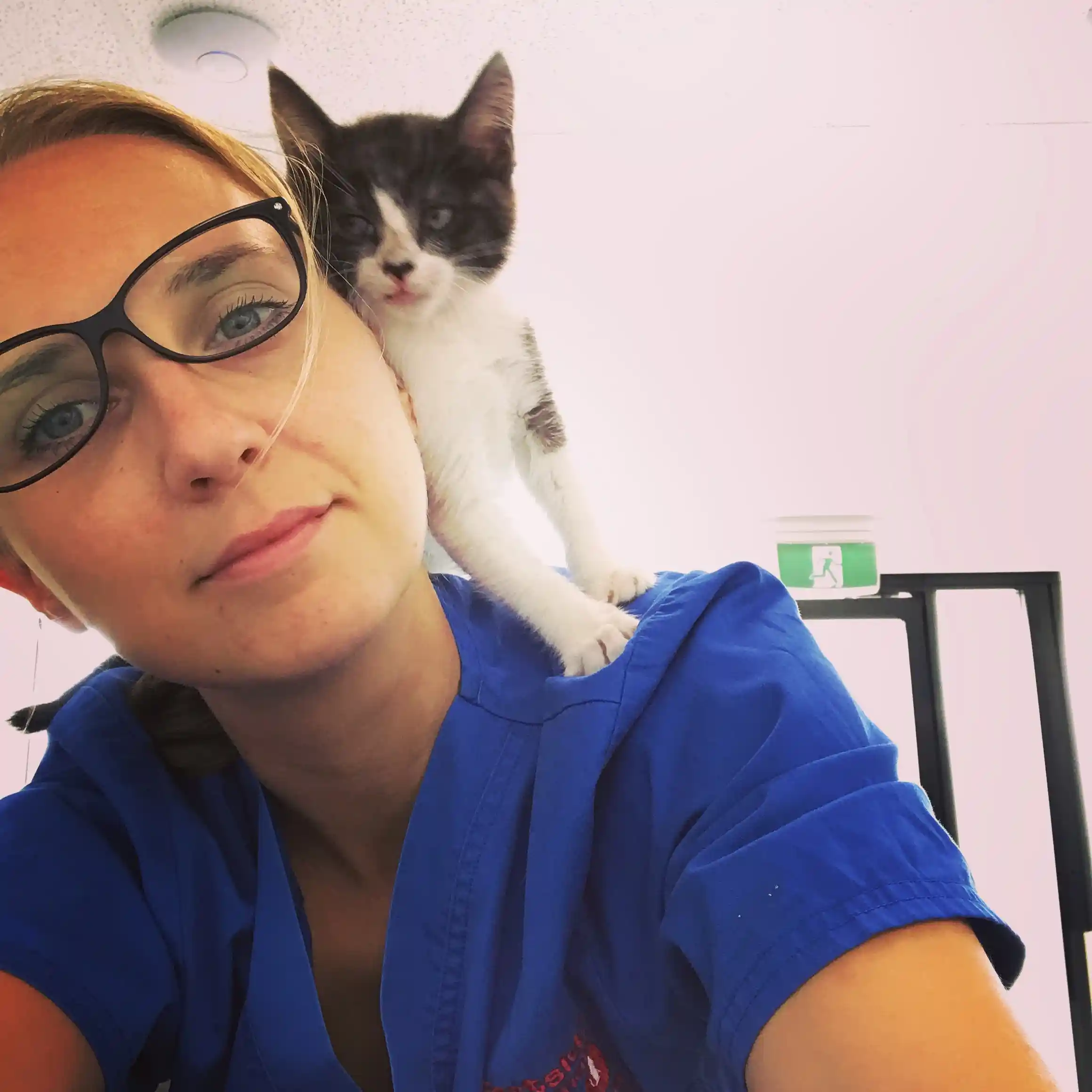
Dr Olivia Kappel is a Veterinarian with Pawssum Mobile Vets, providing trusted veterinary advice and support to pet owners from the comfort of home. Based in NSW, and educated at the University of Sydney, Dr Olivia brings practical small-animal experience and a calm, compassionate approach to helping families understand their pet’s health concerns and next steps. Her work with Pawssum supports accessible, stress-free veterinary care for dogs and cats across Australia.
Our company
Open 7 days a week from 6:00am to 11:00pm including public holidays
© 2026 Pawssum Pty Ltd. All rights reserved.