Dog & Puppy Vaccination Guide: What Your Dog Actually Needs in 2026
What vaccines does your dog need, when should they get them, and what does the right vaccination schedule look like in Australia?
The short version: puppies need a course of vaccinations in their first few months, adult dogs need boosters for the rest of their lives, and no two dogs follow exactly the same schedule. Core vaccines apply to every dog. The rest depend on how your dog lives: whether they visit dog parks, boarding kennels or groomers, or share their patch with local wildlife. Here's what dogs and puppies in Australia actually need, and when.
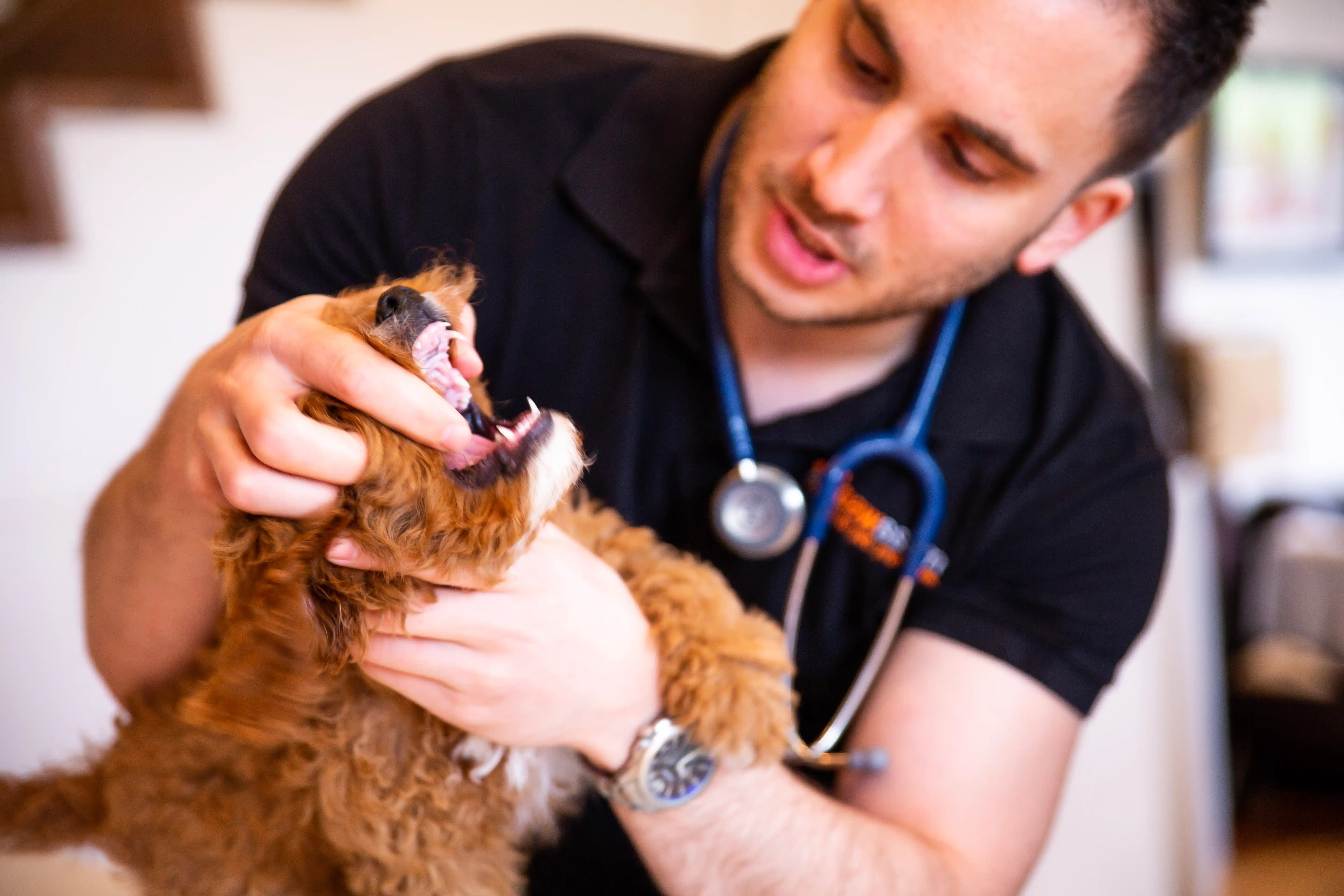
Core Vaccines for Dogs
Core vaccines protect against diseases that occur widely in Australia and have serious health impacts.
Core Vaccines (C3)
Core vaccines are recommended for all dogs because these diseases are widespread and severe.
C3 protects against:
Parvovirus
A highly contagious virus affecting the gut and immune system. Causes vomiting, diarrhoea, dehydration, and can be fatal especially in puppies.
Distemper
A multi-system virus affecting the lungs, gut, and nervous system. Can lead to seizures and long-term neurological damage.
Adenovirus (Canine Hepatitis)
Affects the liver and can cause fever, abdominal pain, and bleeding disorders.
Additional Vaccines (C5 and C7)
Not every dog needs every vaccine. This depends on lifestyle, exposure, and risk.
C5 (C3 + Kennel Cough)
Recommended for dogs that:
- Attend daycare or boarding
- Visit groomers
- Socialise regularly with other dogs
Covers:
- Bordetella bronchiseptica
- Parainfluenza virus
C7 (C5 + Leptospirosis)
Leptospirosis is a bacterial disease spread through contaminated water and wildlife.
This vaccine is only recommended in higher-risk situations, such as:
- Rural or farm environments
- Dogs exposed to standing water or wildlife
It is not routinely required for all dogs, particularly in many metropolitan areas.
Puppy Vaccination Schedule
Puppies need a series of vaccinations because maternal antibodies wear off at different rates.
A typical schedule:
- 6–8 weeks
- 10–12 weeks
- 14–16 weeks
- Booster at 12 months
Puppies should avoid high-risk areas (like dog parks) until at least 1–2 weeks after their final vaccination.
Adult Dog Vaccination
After the initial course:
- Core vaccines (C3) are often given every 3 years (depending on the brand)
- Kennel cough vaccines are usually annual
- Additional vaccines depend on lifestyle
If vaccination history is unknown, a restart or catch-up protocol may be recommended.
Senior Dogs and Vaccination
Older dogs still need protection, but vaccination should be more considered.
In senior dogs, we think about:
- Existing health conditions
- Immune system changes
- Overall quality of life
Many senior dogs still benefit from core vaccines, but the approach may be:
- More tailored
- Balanced against their individual risk
Vaccination in older pets should always be part of a broader health assessment, not a routine “automatic” decision.
Can You Vaccinate a Dog That Is Unwell?
In most cases, no it’s best to delay vaccination if a dog is unwell.
Vaccination relies on a properly functioning immune system. If a dog is:
- Lethargic
- Febrile
- Actively unwell
it’s safer to stabilise their health first.
Mild issues may not always delay vaccination, but this is a clinical judgement made at the time of the consult.
What Happens During a Vaccination Visit?
A proper vaccination appointment should always include:
- History review
- Full physical exam
- Discussion of lifestyle risks
- Appropriate vaccine selection
- Clear follow-up plan
Vaccination should never be a “quick injection only” visit.
The Benefits of Mobile Dog Vaccination
For many dogs, being seen at home can make a significant difference.
Mobile vaccination allows:
- A calmer environment, especially for anxious dogs
- More time for discussion without clinic pressure
- Reduced stress from travel, waiting rooms, and other animals
It can also be more practical for:
- Multi-pet households
- Elderly owners or pets
- Dogs that struggle in clinical settings
Preparing for Your Home Visit
To make your visit as smooth as possible:
- Keep your dog at home and accessible
- Avoid feeding a large meal immediately beforehand
- Have any previous vaccination records available
- Let your vet know in advance if your dog:
- Is anxious
- Has a bite history
- Requires special handling
A quiet, familiar space helps your dog feel more relaxed and makes the examination more accurate.
After Vaccination: What to Expect
Most dogs tolerate vaccines very well.
Mild effects may include:
- Lethargy
- Slight soreness
- Reduced appetite
These usually resolve within 24–48 hours.
Seek veterinary advice if you notice:
- Facial swelling
- Vomiting or diarrhoea
- Collapse or severe lethargy
Why Vaccination Matters ?
Vaccination doesn’t just protect your dog it reduces disease spread across the wider community.
High vaccination rates help:
- Protect vulnerable dogs
- Reduce outbreaks
- Lower long-term treatment costs
A Practical Approach
There’s no one-size-fits-all protocol.
The goal is simple:
Protect your dog appropriately without over- or under-vaccinating.
A good vet will tailor recommendations based on your dog’s:
- Age
- Lifestyle
- Environment
- Risk profile
If you’re unsure what your dog actually needs, it’s worth having that conversation because the right plan is always individual.
Benefits of Mobile Dog Vaccination
Dogs become stressed in clinics due to noise, smells and unfamiliar animals. Stress increases cortisol levels and makes handling harder. In home visits remove these triggers.
• No travel stress
• No waiting rooms
• Calm and predictable environment
• Better behaviour for the health check
• Safer for anxious or reactive dogs
• More accurate assessment of lifestyle risks
• Suitable for senior dogs and mobility issues
• Convenience for busy owners
You can book a mobile vaccination visit here:
mobile vet
Possible Side Effects Of Vaccination
Most side effects are mild and short.
• Tiredness for a few hours
• Mild fever
• Tenderness at the injection site
• Temporary loss of appetite
Rare but serious reactions need urgent care.
• Facial swelling
• Vomiting
• Collapse
• Difficulty breathing
• Severe pain at the injection site
If you see any of these signs, contact a vet immediately.
emergency vet service
Trusted information:
Australian Veterinary Association
https://www.ava.com.au
RSPCA Knowledgebase
https://kb.rspca.org.au
Why Vaccination Protects More Than Your Dog
Vaccination reduces disease in the wider dog community.
• Lower risk in shelters
• Reduced outbreaks in dog parks
• Protection for puppies and seniors
• Reduced environmental contamination
• Lower treatment costs across regions
High vaccination rates limit the spread of parvovirus in community hotspots.
Do Senior Dogs Still Need Vaccination
Yes. Immunity declines with age. Seniors also have weaker organs and less ability to fight infection. Annual health checks ensure vaccination remains safe and suitable.
Can Vaccination Be Done When a Dog Is Sick
Vets avoid vaccinating sick dogs to protect their immune response. If a dog has fever, vomiting, diarrhoea, coughing or pain, the vet delays the vaccine and treats the illness first.
if your puppy is scheduled for a booster but has an upset stomach, it’s important to triage them first. Check out our puppy diarrhoea emergency guide to see if you should postpone your appointment.
Preparing Your Home for the Visit
• Keep your dog in a secure room before the vet arrives
• Remove clutter for safe handling
• Use a non slip mat if floors are smooth
• Have lead and treats ready
• Tell the vet about any behaviour concerns
• Keep noise low to reduce anxiety
This supports a smooth and low stress visit.
Choosing the Right Vaccine Plan
The correct plan depends on:
• Age
• Breed
• Travel habits
• Boarding needs
• Exposure to wildlife or rodents
• Social activity
• Past health issues
• Location and risk level
Pawssum mobile vet near me builds a tailored schedule for strong, long term protection.
By Dr Gayle Kothari - BVSc/DVM, registered veterinarian
Last updated on 14th August 2026
About the author

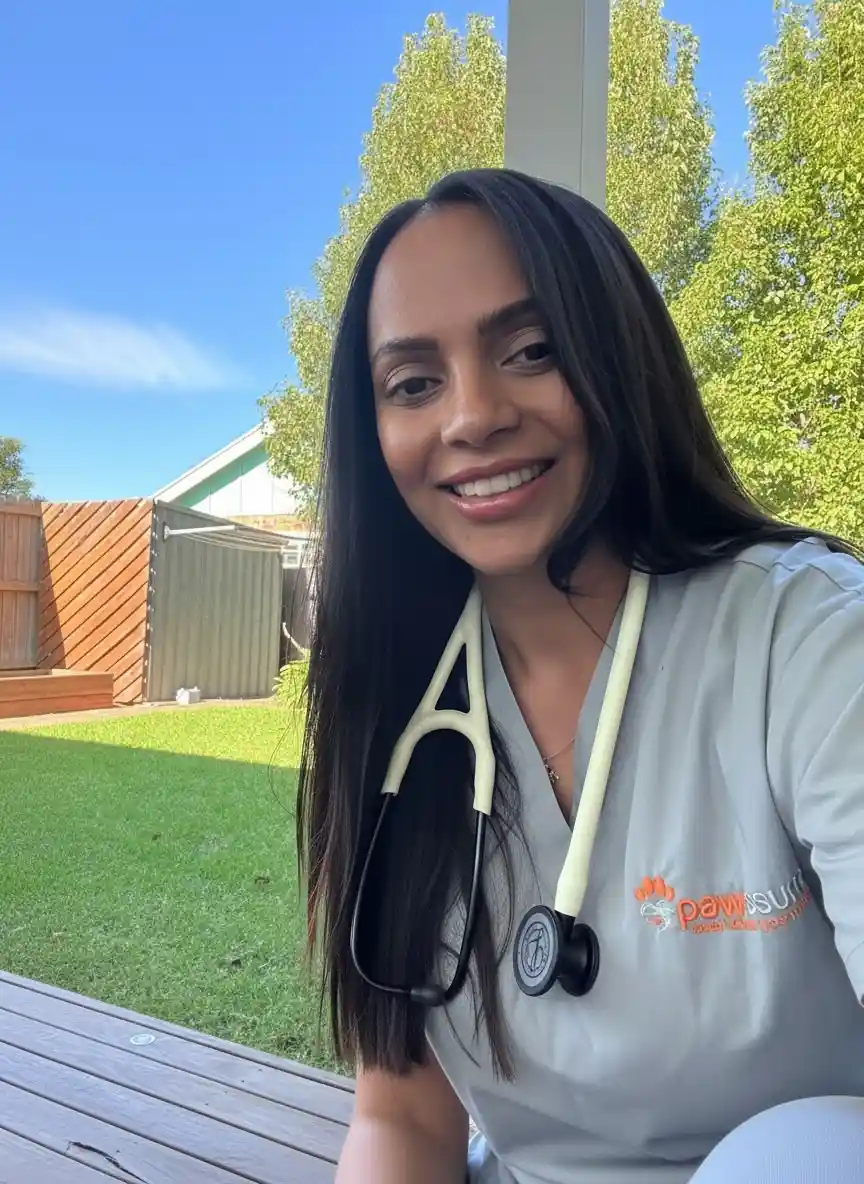
Dr Gayle Jasmin Kothari is a mobile vet in South Australia with over 10 years of experience in small animal medicine, surgery, and animal welfare. She is passionate about making home visit vet care more accessible and less stressful for pets and their families, with expertise in thoughtful in-home treatment, ongoing health support, and compassionate end-of-life care. https://www.linkedin.com/in/gayle-kothari/
Our company
Open 7 days a week from 6:00am to 11:00pm including public holidays
© 2026 Pawssum Pty Ltd. All rights reserved.