Cat Vaccination for First Time Cat Owners - 2026
Feline Vaccination for First Time Cat Owners: A Complete Guide
Why do cats do better with a mobile vet, what are the benefits of a home visit vet for cats, and when should you choose one? a home visit vet for cats can reduce stress, improve comfort, and help vets assess anxious, senior, or indoor cats more naturally in their home environment. This article explains why so many cats struggle with traditional vet visits, which situations are often better managed at home, and what signs mean your cat may still need clinic or emergency care instead.
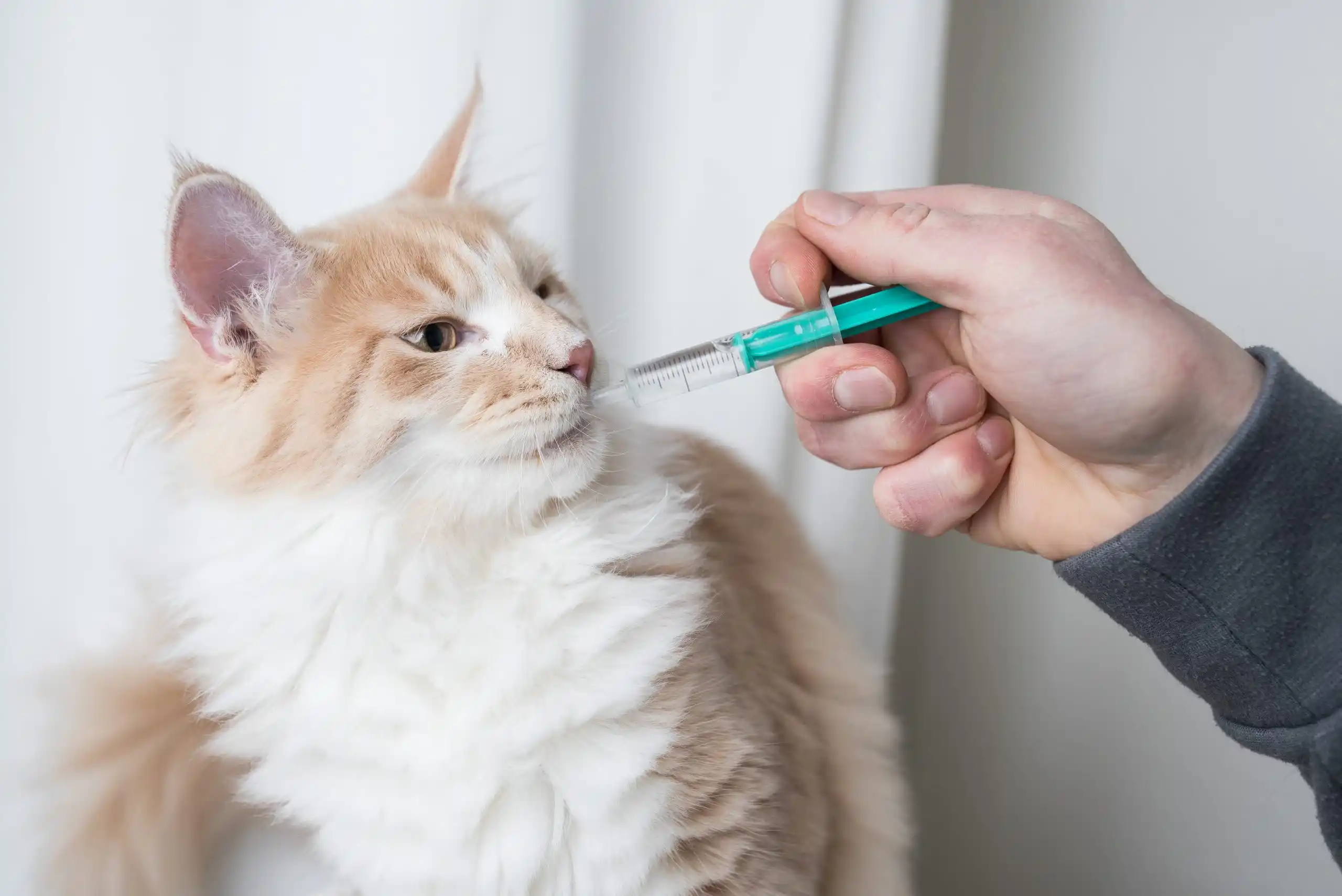
Bringing a cat home is a major step for any new owner. Routine health care starts early and vaccination is a key part of that plan. Vaccines protect cats from serious diseases that spread easily through contact with infected animals, shared environments and contaminated surfaces. Many of these diseases cause long term problems or rapid decline. Vaccination reduces these risks and forms the base of a safe, healthy life.
This guide explains the vaccines your cat needs, why they matter, how the schedule works and what first time owners should expect during a mobile vet visit. The goal is to make vaccination simple and stress free.
If you’ve just welcomed a new cat or kitten, our at-home cat vaccines make the process stress-free and convenient.
Why Vaccination Matters for Cats
Cats encounter disease in many ways. Contact with other cats is one route. Environmental contamination is another. Some viruses survive on clothing, shoes or bedding for long periods. Stress, age and underlying illness increase the impact of infections. Young kittens are the most vulnerable.
Vaccination supports the immune system by teaching it how to fight specific diseases. This reduces the chance of infection and lowers the severity of illness if exposure occurs.
Core diseases in Australia include panleukopenia, herpesvirus and calicivirus. These cause cat flu, dehydration, fever, ulcers and sometimes death. First time owners often underestimate how quickly these conditions progress.
Core Vaccines for All Cats
F3 Vaccine
F3 is the standard vaccine for Australian cats.
• Feline Panleukopenia
A highly contagious virus that affects the gut and immune system. It causes vomiting, diarrhoea, fever and extreme dehydration. Mortality is high in kittens.
• Feline Herpesvirus
A common cause of cat flu. Signs include sneezing, eye discharge, nasal congestion and ulcers. Many cats carry the virus for life. Stress triggers flare ups.
• Feline Calicivirus
Another cause of cat flu. It leads to mouth ulcers, drooling and fever. Some strains cause severe joint pain and pneumonia.
These viruses circulate widely. Vaccination is essential for indoor and outdoor cats.
Optional but Important Vaccines
FIV Vaccine
Feline Immunodeficiency Virus spreads through cat bites. Roaming cats, territorial males and outdoor cats have the highest risk. FIV weakens immunity and increases the chance of chronic infections. Cats need testing before starting the vaccine series.
FeLV Vaccine
Feline Leukaemia Virus affects the immune system, bone marrow and internal organs. It spreads through close contact, grooming and shared bowls. Young cats and multi cat households benefit from this vaccine.
A mobile vet explains risk levels and helps owners choose the correct plan.
Vaccination Schedule for First Time Cat Owners
Kittens
• First vaccination at 6 to 8 weeks
• Second vaccination at 10 to 12 weeks
• Third vaccination at 14 to 16 weeks
• Annual boosters after the first year
• FIV series includes three doses, two to four weeks apart, if suitable
Kittens rely on a series of doses to build strong immunity. Skipping doses leaves them exposed.
Adult Cats
If you adopt an adult cat with unknown history, a mobile vet near me recommends a restart plan. This includes:
• One or two F3 doses
• FIV testing before vaccination
• FeLV for at risk cats
• Annual boosters
This gives your new cat a clean and protective start.
Do Indoor Cats Need Vaccination
Yes. Many first time owners believe indoor cats face low exposure. In reality, indoor cats still encounter risk.
• Virus on clothing or shoes
• Open windows
• Visitors with cats
• Contact during grooming or boarding
• Escape through doors
• Shared apartment hallways
Panleukopenia survives in the environment for long periods. Cat flu viruses spread easily. Vaccination protects against these situations.
What Happens During a Mobile Cat Vaccination Visit
A mobile vet visit is ideal for new owners because the cat stays calm in a familiar space. This eliminates carrier stress and travel strain.
1. History Review
The vet asks about appetite, behaviour, stool quality, indoor or outdoor access and previous medical issues.
2. Health Check
The vet examines your cat’s eyes, lungs, heart, skin, abdomen, temperature and weight. This ensures the cat is healthy enough for vaccination.
3. Vaccine Discussion
The vet explains F3, FIV and FeLV. You receive guidance based on your cat’s lifestyle.
4. Vaccination
The injection is given under the skin. Most cats react calmly during in home visits.
5. Monitoring and Advice
The vet stays until the cat is stable. You receive guidance on expected mild effects and booster dates.
Book your in home vaccination with Pawssum here:
https://www.pawssum.com.au/mobile-vet-services
Possible Side Effects
Most reactions are mild.
• Slight fever
• Tiredness
• Soreness at the injection site
• Lower appetite for a short period
Rare but serious reactions need urgent care.
• Facial swelling
• Vomiting
• Collapse
• Severe pain at the injection site
If you see any of these signs, contact a vet immediately.
https://www.pawssum.com.au/emergency-vet-service
Trusted sources for vaccine safety:
Australian Veterinary Association
https://www.ava.com.au
RSPCA Australia
https://kb.rspca.org.au
Preparing Your Home for the Visit
New owners often worry about cats hiding or becoming stressed. A simple setup prevents this.
• Place your cat in a small room before the vet arrives
• Remove hiding spots under beds
• Use a towel or mat for grip
• Keep noise low
• Have treats ready
• Tell the vet about any behavioural issues
This supports safe, efficient handling.
Why Vaccination Protects More Than Your Cat
Vaccination has wider benefits.
• Reduces disease spread
• Protects young kittens in shelters
• Lowers outbreak rates
• Reduces treatment costs across communities
• Protects immune compromised pets
High vaccination coverage lowers the number of severe cases throughout the region.
Choosing the Right Vaccine Plan for Your Cat
A mobile vet reviews lifestyle, age and health status before building a plan. Key considerations include:
• Indoor or outdoor access
• Interaction with other cats
• Multi cat household
• Past illness
• Age
• Travel plans
• Risk level in your area
A tailored vaccination plan gives your cat safe, long term protection.
When Vaccination Should Be Delayed ?
Vaccination is postponed when a cat is unwell.
• Fever
• Active infection
• Severe dental pain
• Dehydration
• Significant stress
• Recent surgery
The vet treats the illness first. Vaccination follows once the cat stabilises. This protects the immune response and prevents complications.
Building Good Habits for First Time Owners
• Keep vaccine records in one folder
• Mark booster dates on your phone
• Monitor appetite and behaviour after each vaccine
• Keep your cat indoors for a few hours after the visit
• Schedule yearly check ups
• Build a safe home environment with good hygiene and enrichment
These habits create a strong foundation for long term health.
Why Pawssum Mobile Vets Are the Best Choice for New Cat Owners
Pawssum offers in home vaccination across major Australian cities.
Licensed vets visit seven days a week, including evenings and public holidays.
Your cat stays relaxed. You receive a detailed exam and practical advice.
This suits kittens, adults, anxious cats and multi cat homes.
Learn more about Pawssum here:
https://www.pawssum.com.au/about-us
FAQ
Do indoor cats really need vaccinations?
Yes. Even indoor-only cats can be exposed to viruses such as panleukopenia, herpesvirus and calicivirus. These diseases can be carried into your home on clothing, hands, shoes, bedding, or objects. Indoor cats still require core vaccinations especially the F3.
What vaccines does my cat need?
Most cats require:
- Core vaccine (F3) protects against panleukopenia, herpesvirus and calicivirus.
- Optional lifestyle vaccines, depending on risk:
- FIV vaccine (outdoor or roaming cats)
- FeLV vaccine (young or outdoor cats, multi-cat homes)
Your vet will tailor the plan based on lifestyle, age, health and environment.
What is the correct vaccination schedule for kittens?
A typical kitten vaccination timeline is:
|
Kitten Age |
Vaccine |
|---|---|
|
6-8 weeks |
First F3 (core) |
|
10-12 weeks |
Second F3 |
|
14-16 weeks |
Final kitten F3 |
|
6 months (optional) |
Additional booster for improved immunity |
|
1 year later |
Adult booster |
|
Every 1-3 years |
Continuing boosters based on vet advice |
This ensures the immune system is fully protected as maternal antibodies decline.
What if I adopt an adult cat with no vaccination history?
Most vets recommend a restart program, typically:
- One F3 vaccine, followed 2-4 weeks later by a booster.
- Testing may be recommended before FIV or FeLV vaccines.
This ensures full protection since past immunity cannot be verified.
What side effects should I expect after cat vaccinations?
Most reactions are mild and normal within 24-48 hours:
- Tiredness or sleeping more
- Slight decrease in appetite
- Mild fever
- Small lump or tenderness at the injection site
- Temporary behaviour changes (quieter, less playful)
These usually resolve on their own.
What are the serious side effects to watch for?
Rare but serious reactions require immediate veterinary attention:
- Facial swelling or hives
- Trouble breathing or wheezing
- Vomiting or diarrhoea
- Collapse or severe lethargy
- Rapidly enlarging or painful swelling at injection site
- Pale gums, drooling or staggering
If any of these appear contact a vet urgently.
How can I make vaccination day less stressful for my cat?
- Keep your cat in a quiet space before and after the visit.
- Use familiar bedding, toys and low-stress handling.
- Avoid loud noises, visitors or major changes that day.
- Offer treats and reassurance.
- Consider an at-home mobile vet visit, which dramatically reduces fear and stress.
Can my cat go outside after vaccination?
For kittens and newly adopted cats, it’s recommended to keep them indoors for at least 7-10 days after the final kitten booster or restart series until immunity fully develops.
For vaccinated adult cats, normal outdoor access is usually fine unless otherwise advised.
What happens if I miss one of my cat’s boosters?
Don’t panic a short delay is usually manageable.
However, longer delays may require:
- A repeat vaccine
- Restarting part of the series
Your vet will determine the safest correction based on how long the lapse has been.
How long does immunity last?
- Some vaccines protect for 1 year
- Others protect for 3 years
- Lifestyle factors (outdoor access, multi-cat home) may require more frequent boosters
Your vet will follow the manufacturer guidelines and tailor recommendations.
Can cat vaccinations cause cancer?
Vaccine-associated sarcomas are extremely rare.
Modern vaccines and improved placement techniques have significantly reduced risks.
For context, the risk of a fatal disease without vaccination is far higher than the risk of this adverse event.
Can my cat be vaccinated if they are sick?
Generally, no.
If your cat is unwell, feverish, or has a chronic condition, the vet may postpone the vaccine to ensure a strong and safe immune response.
How much do cat vaccinations cost?
Costs vary by location and vaccine type, but owners typically expect:
- In-home mobile vet vaccination: $120-$180 depending on area and services
- Clinic vaccination: $90-$140
In-home services often include a full health exam and personalised care plan.
Are in-home vaccinations as effective as clinic vaccinations?
Yes, the vaccine itself is identical.
The benefits of at-home vaccination include:
- Less stress for the cat
- More accurate behaviour and health evaluation
- Reduced disease exposure
- Personalised education for new owners
How do I know when my cat is fully protected?
Kittens achieve strong immunity 1-2 weeks after their final 14-16 week booster.
Adult cats are protected within 1-2 weeks of each booster.
Until then, avoid contact with unvaccinated cats or high-risk environments.
By Dr Sarah webb - BVSc, registered veterinarian
Last updated on 18th June 2026
About the author

Dr Sarah Webb is a Melbourne-based veterinarian and Charles Sturt University graduate with experience across mixed practice, locum work, and mobile veterinary care. She has a special interest in poultry and backyard chicken health, alongside her work supporting dogs, cats, and other animals. Dr Sarah brings a practical, compassionate approach to veterinary care and is also passionate about mental health and wellbeing within the veterinary profession.
Our company
Open 7 days a week from 6:00am to 11:00pm including public holidays
© 2026 Pawssum Pty Ltd. All rights reserved.