Why Home Vet Visits Are Better for Cats
Quick answer: Cats often do better with a home vet visit because it removes the carrier, the car trip and the clinic, which many cats find overwhelming. The vet sees your cat calmer in their own territory, which gives a more accurate picture. Home visits suit anxious, indoor and older cats best, while diagnostics and surgery still need a clinic.
The Mobile Vet Advantage for Cats
For many cat owners, the hardest part of a veterinary appointment is everything that happens before the vet sees the cat. The carrier comes out, the cat hides, the car trip is stressful, and by the time you arrive your cat is already overwhelmed.
A home visit vet for cats removes most of that. The vet comes to you, so your cat is examined where they feel safe. That is calmer for the cat and gives the vet a more accurate picture.
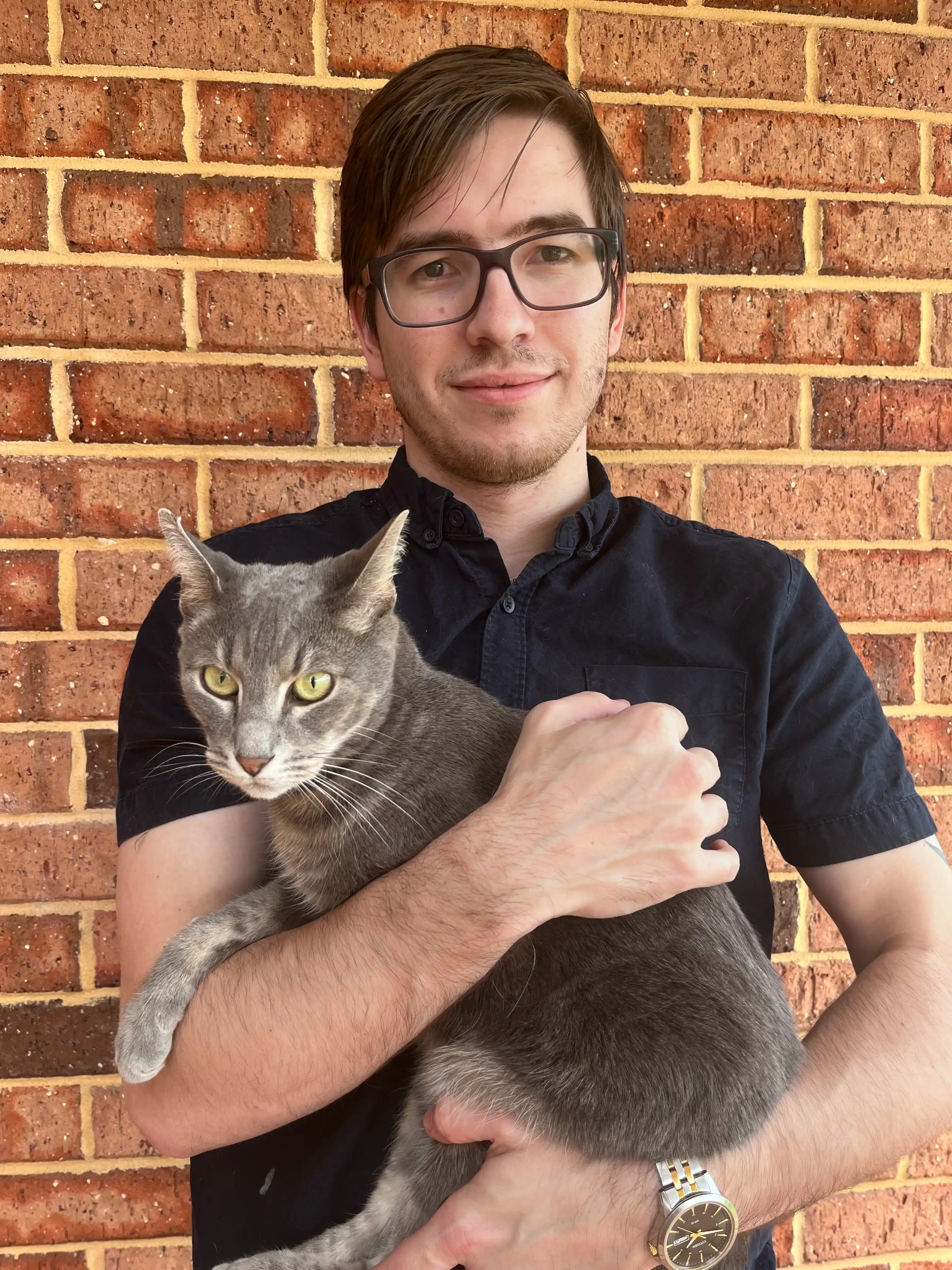
One of the most common questions Pawssum hears from cat owners is whether a mobile vet can examine a cat who hates leaving the house. In most cases, yes.
Why cats often find vet visits so stressful?
Cats are extremely sensitive to changes in their environment. A clinic visit stacks several stressors on top of each other:
- Being put into a carrier
- Leaving their territory
- Travelling in a moving car
- Loud noises and other animals
- Being handled once they are already stressed
This is why so many owners look for a vet for an anxious cat. Neither the cat nor the owner is doing anything wrong. Many cats simply do not cope well with transport, and a mobile vet visit takes those stressors away.
Why cats do better with a mobile vet?
A home visit skips the whole cycle of carrier, car and clinic, and the vet sees your cat in their natural environment. That helps anxious cats most, but older cats benefit too, because the vet can watch how they move around their own home.
Owners often ask for a home visit when a cat has:
- Stiffness
- Difficulty in moving
- Poor appetite
- Weight loss
- Difficulty in using the litter tray
- Declining vision
There is another benefit. Many owners put off vet visits because they dread how their cat will react to the carrier and the car. When the vet comes to the house, the cat is seen sooner.
The cat that disappears when the carrier comes out of the cupboard
Some cats vanish the moment the carrier leaves the cupboard. Others cry for the whole car trip.
The senior cat who has started to show signs of slowing down
Older cats often lose mobility. They may stop jumping onto the bed, sleep more than before, or change how they use the litter tray.
The cat with a litter tray problem
A litter tray problem can have many causes. The cat may be in pain from arthritis, or stressed by other cats in the house.
The nervous indoor cat
A cat who does not like to travel or leave the house can find a clinic overwhelming. A home visit vet for cats is often the better option.
How a vet thinks about this problem?
When an owner says their cat hates the vet, the vet is usually thinking about three things:
- Are they sick?
- Is their mobility okay?
- Are there any toileting changes?
A mobile vet for cats is about more than convenience. Seeing the cat at home helps the vet reach an accurate diagnosis. If a cat is not grooming properly, for example, the vet will be considering:
- Arthritis
- Obesity
- Dental problems
- Chronic illness
- Stress
- Competition between the cat and other pets at home
- Inability to lie in their favourite spots due to pain
All of these are easier to assess in the cat's own home.
What a home visit for your cat covers
- Health checks: a full nose-to-tail examination, weight, heart and lungs, teeth, eyes, coat and joints. Home health checks start from $159.
- Vaccinations: core and lifestyle vaccines from $99 plus visit fee. New to cats? Read cat vaccination for first-time owners or see our cat vaccination service.
- Blood and urine tests: samples are collected at home and sent to a lab, which is especially useful for older cats (see blood testing).
- Nail trims: from $59 plus visit fee with our nail clipping service.
- Microchipping: from $91 plus visit fee with our microchipping service.
- Senior and chronic care: ongoing checks for conditions like kidney disease and arthritis.
- End-of-life care: quality of life assessments, palliative care and at-home cat euthanasia.
Fees vary by location and are confirmed before you book. See services and pricing.
What can sometimes be managed at home by a mobile veterinarian?
A mobile vet can often help at home with:
- Health checks
- Assessments of senior cats
- Skin and coat problems
- Vomiting
- Appetite changes
- Behaviours
- Litter tray problems
- Arthritis
- Mobility
- Quality of life
- Palliative care
- End of life
How often should a cat see the vet?
The AAHA and AAFP Feline Life Stage Guidelines say every cat needs a full examination at least once a year, and recommend check-ups at least every six months for senior cats, which they define as over 10. Cats hide illness well, so regular checks catch problems like kidney disease and thyroid disease earlier. Our guide on how to tell if a cat is unwell covers the signs to watch for between visits, and how to tell if your cat is in pain explains the facial signs vets use.
How to prepare your cat for a home visit
- Shut your cat in a small room about an hour before the vet arrives, ideally one without spaces under beds or behind furniture.
- Have vaccination records, medicine names and any recent test results ready.
- Note any changes you have noticed: appetite, thirst, litter tray habits, weight, grooming or behaviour.
- Keep other pets in a separate room.
- If the vet has asked for a urine sample, they will tell you how to collect it.
More tips are in how to prepare your pet for a mobile vet visit.
When it is best to visit the clinic
A home visit is not right for every situation. If your cat needs diagnostics, procedures or surgery, a clinic is the better place, and your vet can refer you.
Some things need clinic equipment: x-rays and ultrasound, dental work under anaesthetic, surgery, and hospital care. Cats that are struggling to breathe, collapsed, or straining in the litter tray without passing urine need an emergency hospital straight away. A blocked bladder is a true emergency, especially in male cats (see FLUTD and blocked cats). Your Pawssum vet will help arrange a referral when needed. In Melbourne, Pawssum's van offers ultrasound at your door.
Signs that mean call a vet now
Contact a vet immediately if your cat shows any of these:
- difficulty breathing
- open-mouth breathing
- repeated vomiting
- collapse or sudden weakness
- straining to urinate
- inability to pass urine
- major trauma
- seizures
- sudden back leg paralysis
- severe pain
- toxin exposure
- not eaten for more than 24 hours, especially with lethargy
A mobile vet may be able to help with some of these, but in many cases a clinic or emergency hospital is the right place.
Why this matters for cat owners across Australia
Taking a cat to the vet is stressful for many Australian owners, especially when the cat does not travel well or hates the carrier. Pawssum's mobile vets visit cats at home for exactly this reason, and anxious pets, cats and older animals are the ones who benefit most.
The takeaway
Cats do better with a mobile vet because the carrier, the car trip and the waiting room are taken out of the visit, which lets the vet assess them as they normally are.
For anxious cats, indoor cats, older cats and any cat who dreads the clinic, a home visit vet for cats is often the better route. Not every problem can be treated at home by a mobile veterinarian, though, so your vet will tell you when a clinic is needed.
Frequently asked questions
Why does my cat hide when the carrier comes out?
Cats are extremely sensitive to changes in their environment, and some disappear as soon as the carrier leaves the cupboard.
Is a litter tray problem a reason to call a vet?
Yes. There are many reasons for a litter tray problem, and pain from arthritis is one of them, so it is worth having a vet check your cat.
Can a nervous indoor cat be examined at home?
Yes. A cat who does not like to travel or leave the house can find a clinic visit overwhelming, and a home visit lets the vet examine them in their own space.
How often should a cat have a vet check?
Every cat needs a full examination at least once a year, and senior cats over 10 should be checked at least every six months, according to the AAHA and AAFP Feline Life Stage Guidelines.
What does a home health check for a cat include?
A full nose-to-tail examination, including weight, heart and lungs, teeth, eyes, coat and joints.
Can a mobile vet take blood and urine samples from my cat?
Yes. Samples are collected at home and sent to a lab, which is especially useful for older cats.
Related Pawssum services
Keep reading
Sources
By Dr Gayle Kothari - BVSc/DVM, registered veterinarian
Last updated on 19th November 2026
About the author


Dr Gayle Jasmin Kothari is a mobile vet in South Australia with over 10 years of experience in small animal medicine, surgery, and animal welfare. She is passionate about making home visit vet care more accessible and less stressful for pets and their families, with expertise in thoughtful in-home treatment, ongoing health support, and compassionate end-of-life care. https://www.linkedin.com/in/gayle-kothari/
Our company
Open 7 days a week from 6:00am to 11:00pm including public holidays
© 2026 Pawssum Pty Ltd. All rights reserved.