Can My Cat Get Vaccinated at Home? Home vs Clinic Vaccinations
Quick answer: Yes, you can vaccinate your cat at home. A mobile vet can give your cat all the same checks and vaccinations they would get at a clinic, without your cat leaving the house.
If your cat hides under the bed when they see the cat carrier, you're not alone! Cat vaccination at home has plenty of benefits, but a clinic can be a good option too. Let's look at the difference between vaccinating your cat at home and at the clinic.
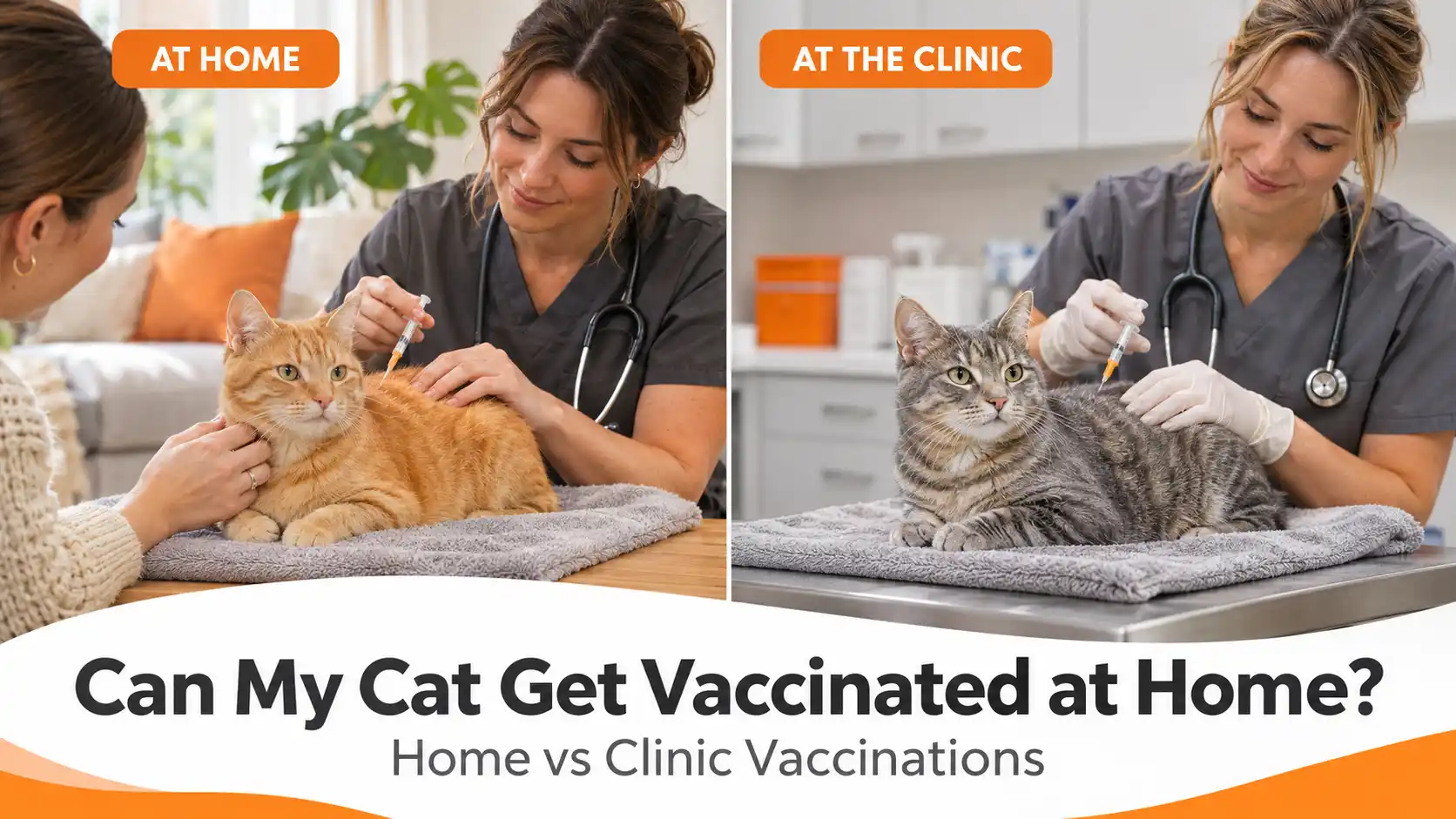
What happens when a vet vaccinates your cat at home
The process is the same as any other vet visit. Before vaccinating your cat, your vet will always do a health check, according to RSPCA Australia. During this check your vet will talk through your cat's lifestyle and history. They will then give the vaccine.
The core vaccination for cats in Australia is the F3. According to RSPCA Australia, it protects against feline panleukopenia (also called feline enteritis) and the two main causes of cat flu, feline calicivirus and feline herpesvirus. Your vet may also talk to you about non-core vaccinations your cat may need based on their lifestyle.
Want more detail about which vaccines your cat needs and when? Our guide to cat vaccination for first time cat owners covers it in detail.
Cat vaccinations at home vs the clinic
Your cat will receive the same protection either way. The difference is in how your cat gets there and how the visit feels.
Why home visits can be easier on cats
The 2022 Cat Friendly Veterinary Interaction Guidelines, published by the American Association of Feline Practitioners and the International Society of Feline Medicine, found that the most stressful parts of a vet visit for cats are travelling to the practice, waiting in the waiting room and being examined. A home visit removes the first two steps entirely. Your cat won't travel in the car or be put into a cat carrier. They also won't be stressed by a busy waiting room filled with barking dogs.
The same guidelines report that about a third of cat owners said seeing their cat stressed made them less likely to take their cat to the vet. This can be a big issue if you're struggling to keep your cat up to date with their vaccinations because it's hard to get them to the clinic. A home visit can help.
Kittens need multiple vaccinations. RSPCA Australia recommends the first core vaccination from 6 to 8 weeks of age, then every 3 to 4 weeks until 16 to 20 weeks of age, with a booster at 6 months. That's a lot of visits in a short time, and vaccinating at home can make it much easier to finish the course.
What home visits don't change
While home visits can help cats who get anxious, they won't remove all stress. The guidelines note that cats can still become stressed at home, and some cats can be more defensive in their own territory. A small 2015 study of 18 cats found they were more likely to hide during clinic exams, but their stress hormone levels weren't significantly different between home and clinic.
Whether your cat is vaccinated at home or at the clinic, gentle and calm handling matters. Many clinics now follow cat friendly practices too.
When a clinic visit might be the better choice
If your cat is healthy and due for their vaccinations, they can be vaccinated at home. However, if your vet finds during the health check that your cat needs tests or treatment that can't be done at home (such as X-rays or surgery), your vet can refer you to a clinic.
What to expect after your cat's vaccination
Most cats return to normal quickly. The 2020 AAHA/AAFP Feline Vaccination Guidelines say the most commonly reported side effects are lethargy, reduced appetite and a mild fever for a few days. Some cats can have mild inflammation at the injection site. Severe allergic reactions are rare, at around 1 to 5 in every 10,000 vaccinations, according to the 2020 AAHA/AAFP Feline Vaccination Guidelines. Signs can include vomiting, diarrhoea, difficulty breathing, a swollen face or collapse. If your cat shows any of these signs, contact a vet immediately.
Adult cats need a core booster every 1 to 3 years, according to RSPCA Australia. Even when no vaccination is due, RSPCA Australia recommends an annual health check.
Getting your home ready for the visit
A few simple steps can help your cat have a smooth visit:
- Keep your cat in one room before the vet arrives, so you won't have to search under beds
- Use a quiet room with a door that can be closed
- Have your cat's vaccination history handy if you have it
- Have some of their favourite treats ready
Frequently asked questions
Is a home vaccination as effective as one at the clinic?
Yes! Your cat will receive the same vaccine and health check. The only thing that differs is the location.
Do indoor cats still need vaccinations?
According to RSPCA Australia, all unvaccinated cats and cats with an unknown vaccination history should receive their core vaccinations. Speak to your vet about what works best for your cat's lifestyle.
How often does my cat need to be vaccinated?
Adult cats who have completed their kitten vaccinations should have a core booster every 1 to 3 years, according to RSPCA Australia, plus an annual health check.
What if my cat hides when the vet arrives?
This is very common. Shutting your cat in a small room before the visit will help, and your vet will give your cat time to settle.
Book a home vaccination with Pawssum
Our vets can give your cat a health check and their vaccinations at home, with no cat carrier and no car trip. Pawssum has looked after more than 380,000 pets and has a 4.6 star rating from 2,805 Google reviews. Book online or give us a call on 0480 030 580. We're open from 6am to 11pm, 7 days a week.
Sources
By Dr Olivia Kappel - BVSc/DVM, registered veterinarian
Last updated on 14th November 2026
About the author

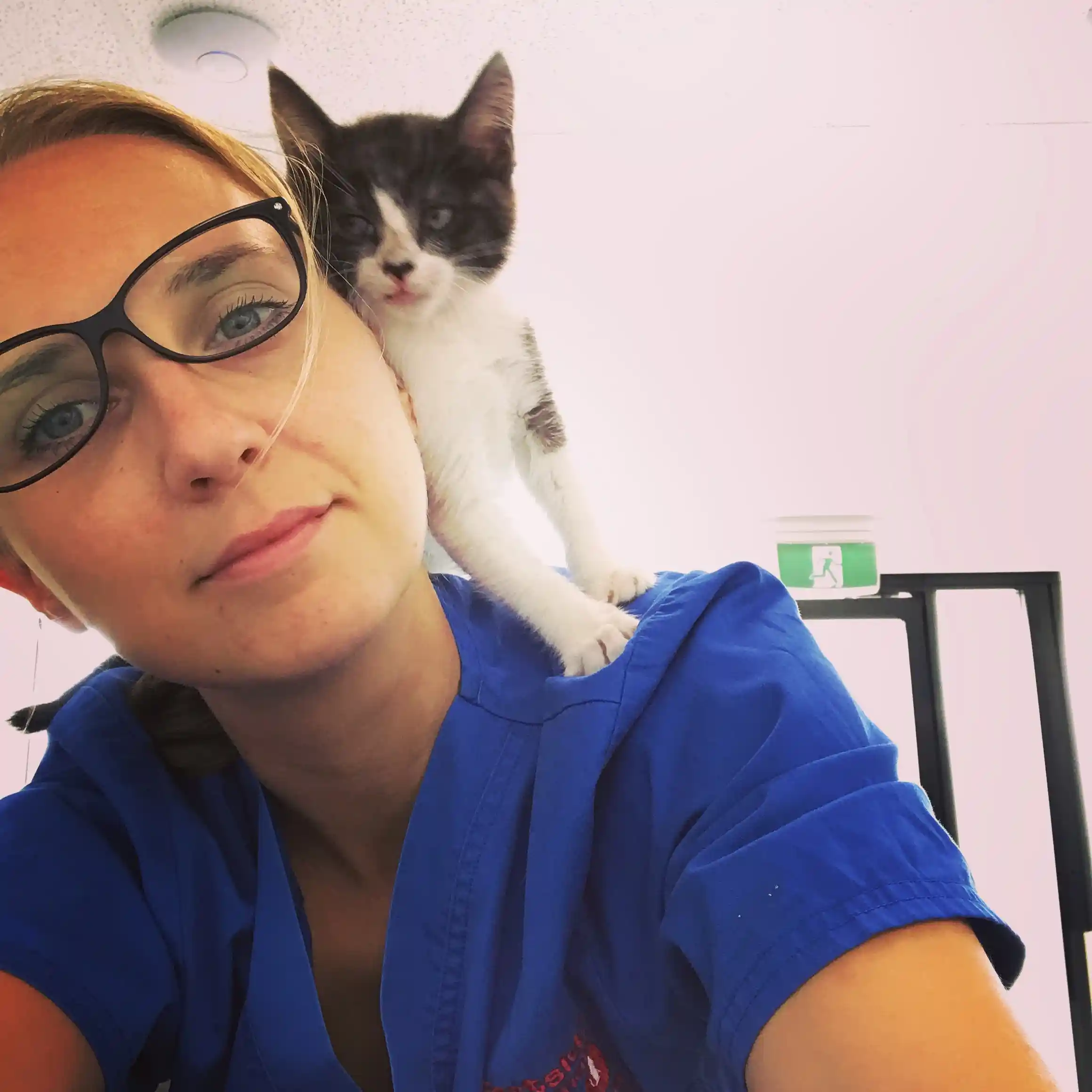
Dr Olivia Kappel is a Veterinarian with Pawssum Mobile Vets, providing trusted veterinary advice and support to pet owners from the comfort of home. Based in NSW, and educated at the University of Sydney, Dr Olivia brings practical small-animal experience and a calm, compassionate approach to helping families understand their pet’s health concerns and next steps. Her work with Pawssum supports accessible, stress-free veterinary care for dogs and cats across Australia.
Our company
Open 7 days a week from 6:00am to 11:00pm including public holidays
© 2026 Pawssum Pty Ltd. All rights reserved.