Why Some Vets Recommend In-Home Care for Certain Pets
Vets sometimes suggest a home visit rather than a clinic appointment. It is not about one being better than the other. For some pets the trip and the waiting room cause enough stress that a home visit gives a more accurate check and a calmer experience, while other problems genuinely need clinic equipment.
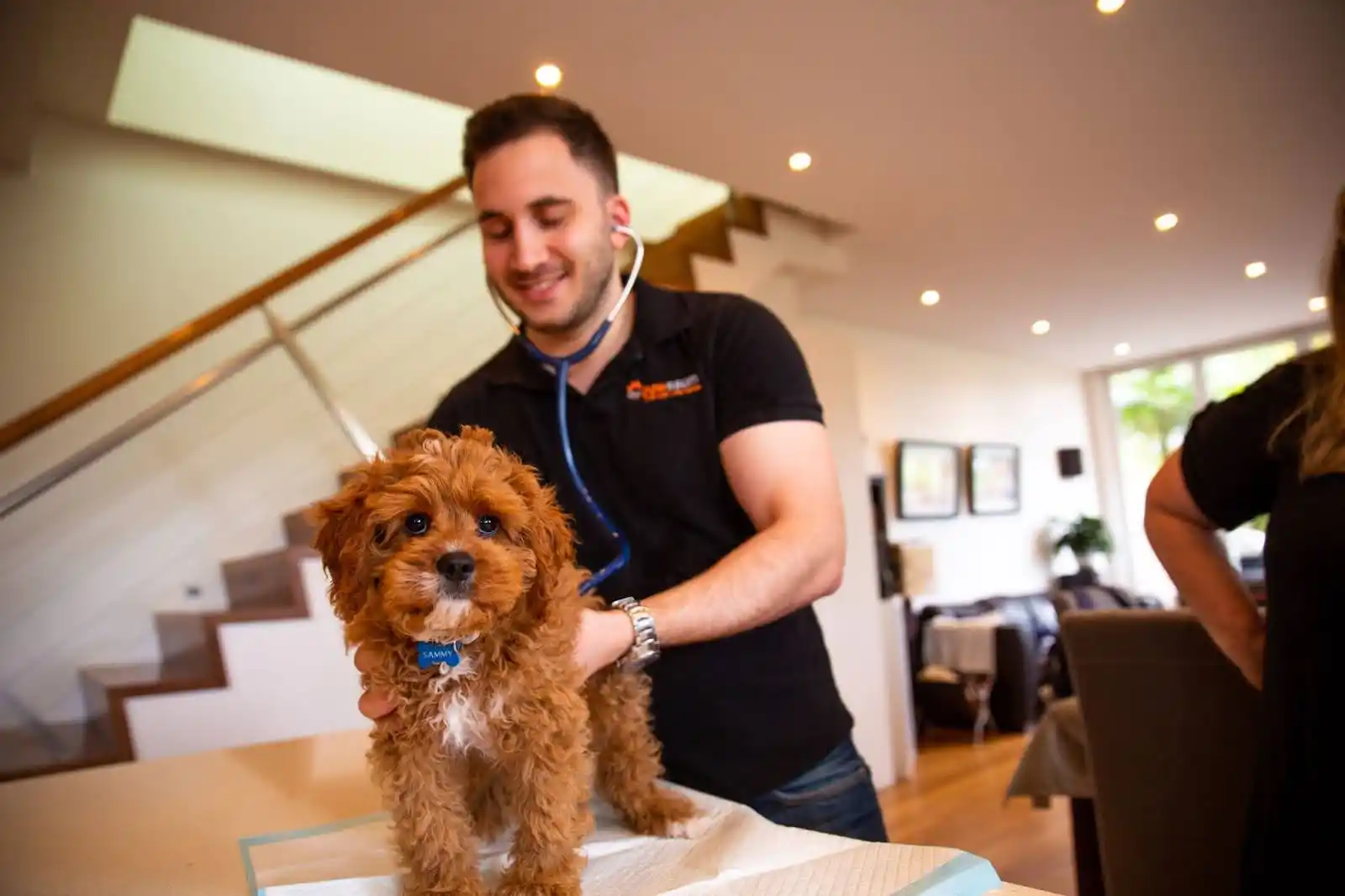
Pets that often do better at home
Older pets
Arthritis, weak back legs and chronic illness can make the car trip hard work. The AAHA Senior Care Guidelines recommend practices adapt their approach for senior pets, who make up a large share of the pets vets see. Read more in in-home care for ageing pets.
Cats
Many cats find the carrier, the drive and the clinic smells distressing. In one study of 18 cats examined both at home and in a clinic using the same gentle handling, cats hid more and had higher blood glucose (a stress marker) in the clinic. See why cats do better with a mobile vet.
Anxious or reactive pets
Pets with a history of fear at the vet, or who become defensive when stressed, are often easier to examine and treat in familiar surroundings. Our article on why pet anxiety is linked to vet visits explains why.
Multi-pet households and busy families
Several pets can be checked or vaccinated in one visit, without juggling carriers and car seats.
Pets nearing the end of life
The AAHA and IAAHPC End-of-Life Care Guidelines focus on comfort, dignity and supporting the family. For many families that is easiest at home, whether that means palliative care, a quality of life assessment, or a peaceful at-home euthanasia.
What a vet can do at home
- Full health checks and annual examinations
- Vaccinations for dogs and cats
- Blood and urine samples, sent to a lab (see blood testing)
- Nail clipping and microchipping
- Arthritis management and ongoing care for chronic conditions
- Medicines, prescriptions and follow-up checks
- Palliative care and euthanasia
What needs a clinic
Some things need equipment that does not fit in a car: x-rays and ultrasound, surgery under general anaesthetic, dental procedures, oxygen, and overnight hospital care. Our article can a mobile vet perform surgery at my house explains the limits honestly.
Home vets and clinics work together
A good mobile vet will tell you when your pet needs a clinic and help arrange it. Pawssum vets refer to local clinics and hospitals for imaging, surgery and emergency care, and share findings so the next vet has the full picture.
Getting the most out of a home visit
A little preparation helps: keep your pet in one room before the vet arrives, have records and medicines ready, and note any changes you have seen. Read how to prepare your pet for a mobile vet visit.
Related Pawssum services
Keep reading
Sources
By Dr. Jessica Goh - BVSc/DVM, registered veterinarian
Last updated on 6th November 2026
About the author


Dr Jessica Goh is an experienced Melbourne mobile veterinarian with 12 years in small animal practice and a strong background across general practice, veterinary internships, and emergency care. A University of Melbourne-trained veterinarian, Dr Jessica brings calm clinical judgement, gentle handling, and clear communication to every home visit. She is especially valued for helping pets and families feel supported during stressful health concerns, senior pet care, urgent consultations, and compassionate end-of-life appointments. Through Pawssum, Dr Jessica provides professional, reassuring veterinary care in the comfort of your pet’s own home.
Our company
Open 7 days a week from 6:00am to 11:00pm including public holidays
© 2026 Pawssum Pty Ltd. All rights reserved.