Why My Cat Has Stinky Breath
My Cat Has Stinky Breath: What It Really Means (From an Aussie Mobile Vet)
Many cat owners notice their cat’s breath becoming unpleasant over time but how much smell is normal, and when should you worry?
While some odour after eating is expected, persistently bad breath in cats is usually a sign that something isn’t right. In most cases, the cause is dental disease, but bad breath can also point to more serious medical conditions such as kidney disease, diabetes, oral infections, or mouth ulcers.
This guide explains the common causes of bad breath in cats, the symptoms to watch for, and when it’s time to arrange a veterinary assessment.
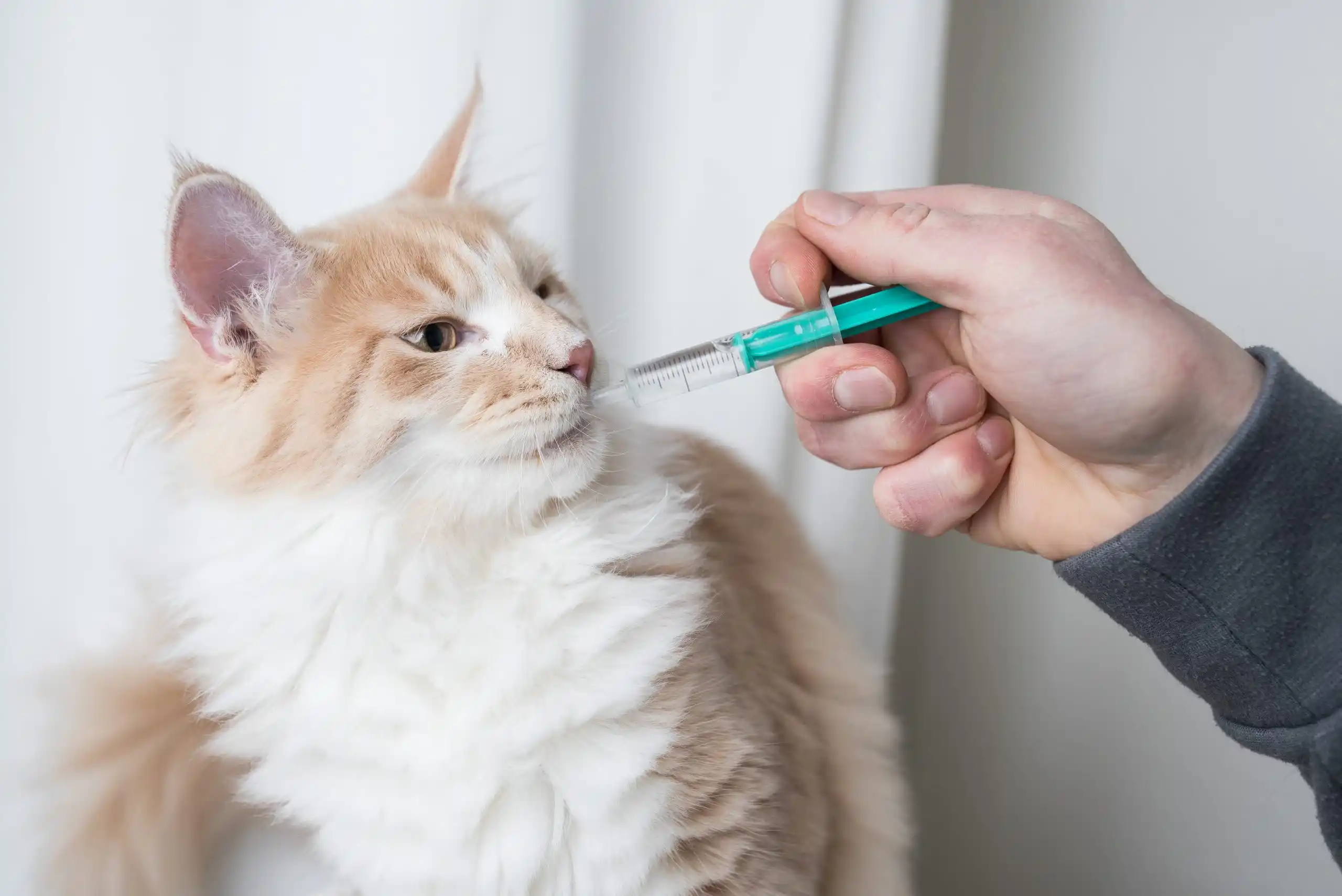
What Causes Stinky Breath in Cats?
Is It Normal for Cat Breath to Smell?
A mild food-related smell after meals can be completely normal.
However, cats should not have persistently foul-smelling breath.
If your cat’s breath smells noticeably unpleasant, metallic, rotten, or unusually strong, it may indicate an underlying health problem especially if the smell worsens over time.
The Most Common Cause: Dental Disease Dental disease is by far the most common cause of bad breath in cats.
Plaque and tartar build-up allow bacteria to grow around the teeth and gums, leading to inflammation, infection, and pain.
Common dental conditions in cats include:
• Gingivitis inflammation of the gums
• Periodontal disease damage to the structures supporting the teeth • Tooth resorption painful breakdown of tooth structure common in cats • Stomatitis severe inflammation inside the mouth
Many cats continue eating despite significant oral pain, which means dental disease can progress unnoticed for months or even years.
A Quick At-Home Mouth Check
You may notice early signs of dental disease by gently lifting your cat’s lips and looking at the teeth and gums.
Things to look for include:
• Yellow or brown tartar build-up
• Red, swollen, or bleeding gums
• Excessive drooling
• Pawing at the mouth
• Dropping food while eating
• Avoiding dry food
• Reduced appetite
• Weight loss
Healthy gums should generally appear light pink, not red or inflamed. Never force your cat’s mouth open if they resist, especially if they appear painful.
Other Medical Causes of Bad Breath
Not all bad breath comes from the mouth itself.
Persistent odour can sometimes be linked to medical conditions affecting the rest of the body, including:
• Kidney disease may cause ammonia-like breath
• Diabetes can occasionally cause sweet or fruity-smelling breath
• Oral ulcers
• Mouth tumours
• Feline immunodeficiency virus (FIV)
• Fractured or infected teeth
If your cat also shows signs such as vomiting, weight loss, increased thirst, or lethargy, veterinary assessment becomes especially important.
Is Bad Breath Ever an Emergency?
Bad breath alone is not usually an emergency.
However, urgent veterinary care is recommended if your cat also has:
• Difficulty eating
• Refusal to eat for more than 24 hours
• Facial swelling
• Excessive drooling
• Bleeding from the mouth
• Trouble breathing
• Severe lethargy
• Pawing persistently at the mouth
These signs can indicate severe dental infection, oral trauma, abscesses, or serious systemic illness.
How Can You Help Your Cat’s Bad Breath?
Tooth Brushing
Daily tooth brushing is considered the gold standard for preventing dental disease in cats, although many cats will not tolerate it.
Starting gradual tooth-brushing training when cats are young offers the best chance of success.
Only use toothpaste designed specifically for pets human toothpaste can be toxic to cats.
Dental Diets and Oral Care Products
Some cats benefit from:
• Veterinary dental diets
• Dental treats
• Water additives
• Oral rinses or gels recommended by a veterinarian
Products approved by the veterinary oral health industry generally have the best supporting evidence.
What Happens During a Veterinary Dental Assessment? During a veterinary examination, the vet will assess:
• Teeth and gums
• Signs of pain or infection
• Overall health
• Weight and hydration
• Possible underlying medical causes
If significant dental disease is suspected, recommendations may include:
• Professional dental cleaning under anaesthesia
• Dental X-rays
• Tooth extractions if needed
• Blood testing to assess kidney function, diabetes, or infection
Dental X-rays are especially important in cats because many painful dental problems occur below the gum line.
What Happens If Dental Disease Is Left Untreated? Untreated dental disease can lead to:
• Chronic pain
• Tooth loss
• Infection
• Difficulty eating
• Weight loss
• Reduced grooming
• Reduced quality of life
Severe dental disease may also contributes to chronic inflammation and infection Early treatment is usually simpler, safer, and more comfortable for your cat.
When Should You Book a Vet Visit?
You should arrange a veterinary assessment if your cat has:
• Persistent bad breath lasting more than two weeks
• Red or bleeding gums
• Difficulty eating
• Weight loss
• Facial swelling
• Excessive drooling
• Reduced grooming
• Changes in behaviour or appetite
Many dental conditions worsen gradually, so early treatment often prevents more serious disease later.
The Bottom Line
Bad breath may be common in cats, but it is not usually normal.
In most cases, persistent smelly breath signals dental disease and your cat may already be experiencing pain even if they continue eating normally.
Protecting your cat’s dental health also supports their overall wellbeing and quality of life.
If you’re concerned about your cat’s breath, appetite, or mouth health, a veterinary assessment can help identify the cause early and create a treatment plan before problems become more serious.
The Best Way to Know If Your Cat Is Unwell
The best way to determine whether your cat’s “grumpy day” is actually a health problem is a veterinary assessment in the comfort of home, where your cat feels safe and relaxed.
A Pawssum mobile vet arrives fully equipped for a thorough health check, helping detect issues early so your furry companion can recover quickly. Many dental and health problems are first identified during our annual check-up service.
By Dr Olivia Kappel - BVSc/DVM, registered veterinarian
Last updated on 19th May 2026
About the author

Dr Olivia Kappel is a Veterinarian with Pawssum Mobile Vets, providing trusted veterinary advice and support to pet owners from the comfort of home. Based in NSW, and educated at the University of Sydney, Dr Olivia brings practical small-animal experience and a calm, compassionate approach to helping families understand their pet’s health concerns and next steps. Her work with Pawssum supports accessible, stress-free veterinary care for dogs and cats across Australia.
Our company
Open 7 days a week from 6:00am to 11:00pm including public holidays
© 2026 Pawssum Pty Ltd. All rights reserved.