Saying Goodbye to a Pet at Home: An Australian Resource for Families
For many families, pets are more than companions they are part of the family. When a beloved animal reaches the end of their life, deciding how to say goodbye can feel overwhelming and deeply emotional.
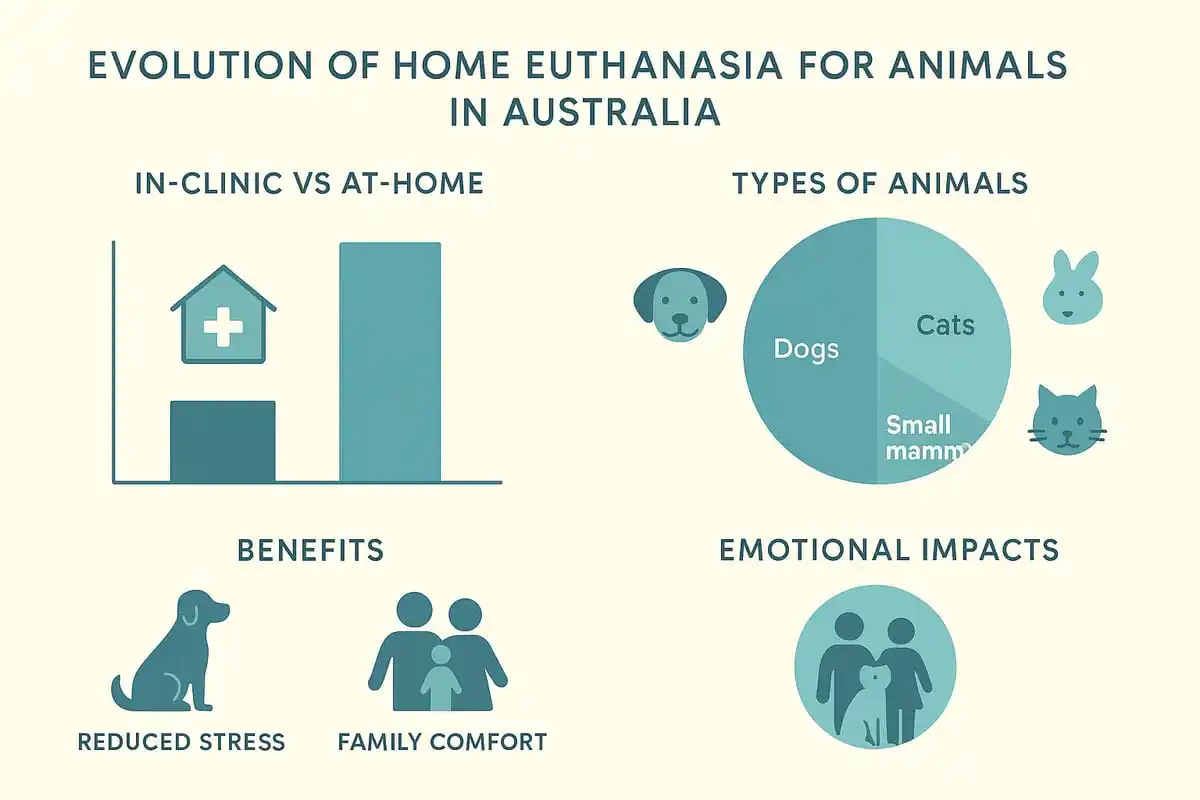
In Australia, more families are choosing at-home pet euthanasia as a gentler alternative to a clinic visit. Being in a familiar environment can help reduce stress for pets while giving families privacy, comfort, and time to say goodbye together.
This guide explains what home euthanasia involves, how quality of life is assessed, what happens during the visit, and the aftercare and grief support options available afterward.
What Is At-Home Pet Euthanasia?
At-home euthanasia means a registered veterinarian comes to your home to provide compassionate end-of-life care for your pet.
The medical process is the same as what occurs in a veterinary clinic, but the environment is different. Pets remain in a place where they feel safe and comfortable, often surrounded by their favourite people, bedding, toys, or outdoor spaces.
For pets that experience anxiety during travel or clinic visits, staying at home can make the experience calmer and less distressing.
Families also often appreciate having:
• More privacy
• More time for goodbyes
• A quieter, less clinical setting
• The ability to include children or other pets if desired
Many mobile veterinarians find pets are noticeably more relaxed at home, helping create a more peaceful farewell for everyone involved.
When Is It Time to Consider Saying Goodbye?
One of the hardest questions pet owners face is knowing when it might be time.
There is rarely a single “right moment.” Instead, veterinarians and families usually look at overall quality of life and whether a pet is still able to enjoy comfort, dignity, and daily activities.
Signs a pet may be struggling can include:
• Ongoing pain despite treatment
• Difficulty walking or standing
• Loss of appetite
• Incontinence or poor hygiene
• Withdrawal from family interaction
• Anxiety, confusion, or distress
• More bad days than good days
While many families begin with palliative or comfort-focused care, there may come a point where euthanasia becomes the kindest option to prevent ongoing suffering.
Importantly, choosing humane euthanasia should never be viewed as “giving up.” For many pets experiencing pain or decline, it is a compassionate act of love.
Using the HHHHHMM Quality of Life Scale Some families find it difficult to assess quality of life objectively when emotions are high.
One tool often recommended by veterinarians is the HHHHHMM Scale, developed by veterinarian Dr Alice Villalobos for terminally ill pets.
The scale looks at:
• Hurt
• Hunger
• Hydration
• Hygiene
• Happiness
• Mobility
• More good days than bad
Each category is scored from 1–10. Tracking these scores over time can help families recognise changes and patterns that may otherwise be hard to see day to day.
The scale does not make the decision for families, but it can support thoughtful and compassionate conversations with your veterinarian.
Legal and Ethical Considerations in Australia In Australia, pet euthanasia is carefully regulated.
Only a registered veterinarian can legally perform euthanasia, and they must:
• Examine the pet
• Obtain informed consent from the owner
• Use approved medications and humane techniques
Ethically, decisions should always prioritise the pet’s welfare and quality of life rather than convenience alone.
A good veterinarian will take time to discuss concerns openly and ensure families understand all available options before proceeding.
What Happens During an At-Home Euthanasia Visit?
Every veterinarian has their own approach, but most home visits follow a calm and gentle process.
1. Discussion and Preparation
The veterinarian will usually spend time talking through the process, answering questions, and ensuring the family feels comfortable before beginning.
Families may choose where their pet rests such as:
• A favourite bed
• The backyard
• A sunny room
• Somewhere meaningful to the pet
2. Sedation
Most vets administer a sedative first so the pet becomes sleepy, relaxed, and comfortable.
This stage allows families time for quiet cuddles and goodbyes while ensuring the pet is calm and pain-free.
3. Final Medication
Once the pet is fully asleep, the veterinarian administers the euthanasia medication, usually through a vein.
Passing is typically peaceful and painless.
4. Private Time
After confirming the pet has passed, the veterinarian will usually step back and allow the family private time together.
Most visits last between 30 minutes and one hour, without the pressure or time constraints that can sometimes occur in busy clinics.
Aftercare and Memorial Options
Aftercare choices vary depending on the provider and local council regulations.
Common options include:
Home Burial
Some councils permit home burial under certain conditions. Families should check local regulations first.
Communal Cremation
Pets are cremated alongside other animals, and ashes are not returned. Private Cremation
The pet is cremated individually, and ashes are returned to the family in an urn or keepsake vessel.
Many families also choose personal memorials such as:
• Paw print impressions
• Fur clippings
• Framed photographs
• Memory boxes
• Planting a tree or garden
These rituals can help create a meaningful sense of remembrance and healing.
Supporting Children Through Pet Loss
Children often experience grief deeply, even when they cannot fully express it. Experts generally recommend:
• Using honest, age-appropriate language
• Avoiding phrases like “put to sleep” for very young children
• Reassuring children the pet was not abandoned
• Explaining that the decision was made to prevent suffering
Including children in memorial activities, drawing pictures, or saying goodbye can help them process the loss in a healthy way.
Coping With Grief After Losing a Pet
Grief after pet loss can be profound and long-lasting.
People commonly experience:
• Sadness
• Exhaustion
• Guilt
• Loneliness
• Relief that suffering has ended
All of these feelings are normal.
Support may come from:
• Pet loss counselling
• Pet bereavement hotlines
• Pet death doulas
• Online support communities
• Grief support organisations
• Talking openly with trusted friends and family
There is no “correct” timeline for grief. Healing looks different for everyone.
A Gentle Goodbye at Home
Choosing to say goodbye to a beloved pet is one of the most difficult decisions families ever face.
For many, an at-home farewell offers a quieter, more personal experience one centred on comfort, dignity, and love.
While the loss of a pet leaves a lasting space in the home, many families find peace in knowing their companion was able to pass calmly, safely, and surrounded by familiar faces.
By Dr Olivia Kappel - BVSc/DVM, registered veterinarian
Last updated on 11th May 2026
About the author

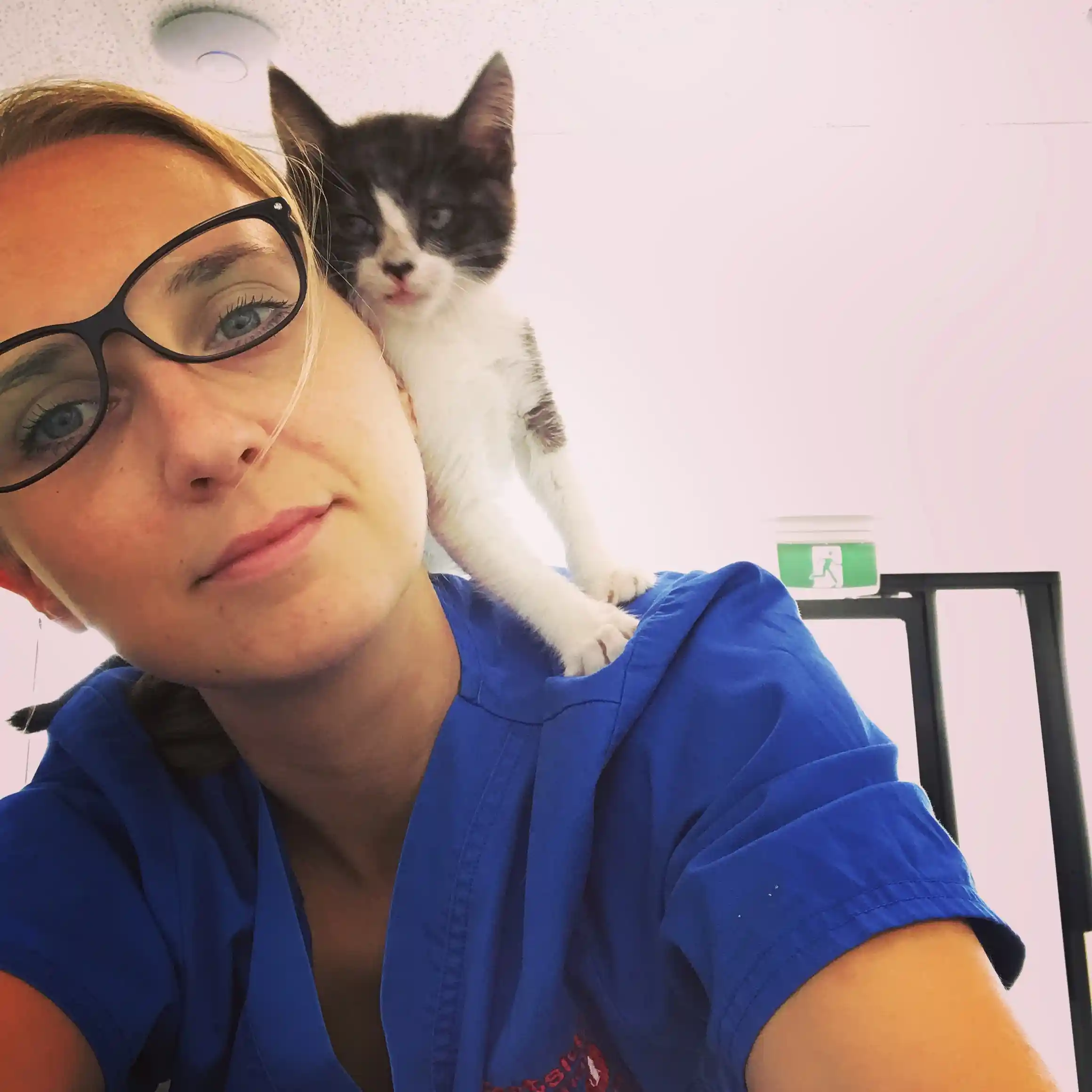
Dr Olivia Kappel is a Veterinarian with Pawssum Mobile Vets, providing trusted veterinary advice and support to pet owners from the comfort of home. Based in NSW, and educated at the University of Sydney, Dr Olivia brings practical small-animal experience and a calm, compassionate approach to helping families understand their pet’s health concerns and next steps. Her work with Pawssum supports accessible, stress-free veterinary care for dogs and cats across Australia.
Our company
Open 7 days a week from 6:00am to 11:00pm including public holidays
© 2026 Pawssum Pty Ltd. All rights reserved.