General Dog Health: What Every Owner Should Know
Being a dog owner is about a lot more than just filling a bowl and going for a quick walk. To really give them a great life, you’ve got to get a handle on the basics things like nutrition, exercise, grooming, and knowing when something just isn't right. When you understand these foundations, you’re not just keeping them alive; you’re helping them thrive at every age.
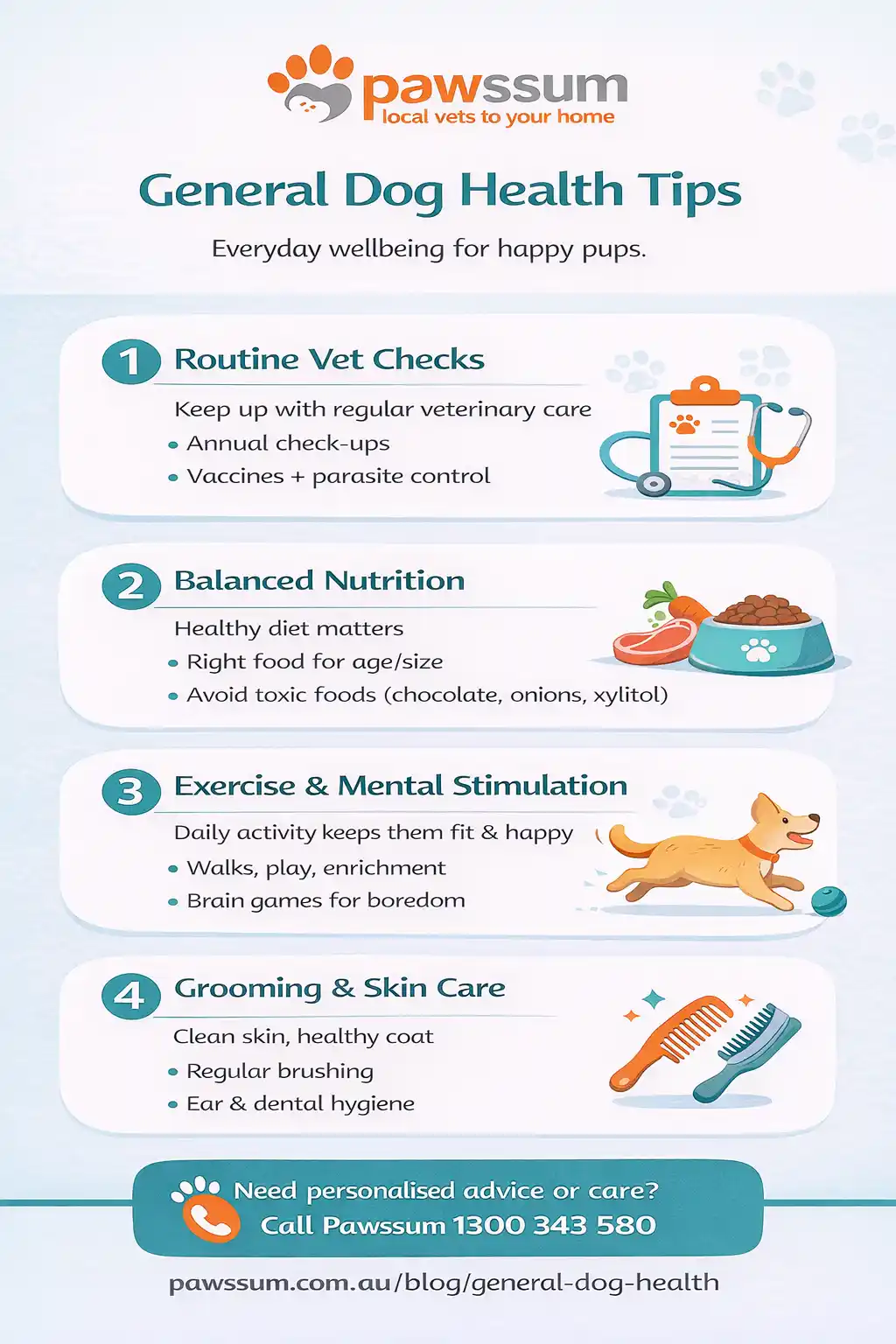
Getting to Know Your Dog’s "Normal"
Health starts with paying attention. You need to know your dog’s typical appetite, energy levels, and even how their coat looks on a good day. It’s much easier (and usually a lot cheaper) to get on top of a small issue early than to deal with a full-blown emergency later.
What a Healthy Dog Looks Like
Generally, a dog that’s doing well will have:
- Bright eyes and clean ears.
- A shiny coat without a lot of dandruff.
- A steady appetite and a healthy weight.
- Social, energetic behavior (for their breed).
- Regular, solid bathroom habits.
Vital Signs You Can Check at Home
It’s a good idea to know their "baseline" numbers so you can tell when they’re off:
- Temperature: Usually between 38.3°C and 39.2°C.
- Heart Rate: 60–140 beats per minute (smaller dogs usually have faster heartbeats).
- Breathing: 10–35 breaths per minute while resting.
- Hydration: Their gums should feel moist, not tacky or sticky.
Feeding Them Right
A balanced diet is the fuel for their immune system and muscles.
How to pick the right food:
- Age matters: Puppies need a lot of calories; seniors usually need less.
- Size matters: Big dogs often need extra joint support.
- Lifestyle: A couch potato doesn't need the same food as a working farm dog.
Avoid these common slip-ups:
- Overfeeding: Obesity is one of the biggest health risks for dogs.
- Table scraps: Many human foods (like onions, grapes, or chocolate) are actually toxic.
- Quick swaps: Switching food brands overnight can really mess with their stomach.
Keeping Their Mind and Body Busy
Dogs need a workout for their brains as much as their legs.
- Physical: Smaller dogs might just need a backyard game, while bigger breeds usually need a proper daily walk or run.
- Mental: Use puzzle feeders, hide treats for "scent games," or spend ten minutes on obedience training. A tired brain usually means a well-behaved dog.
The “Must-Have” Vet Care
Routine vet care is one of the best ways to keep your dog healthy for longer. Even if your dog seems well, preventative care helps catch small problems before they become painful, expensive, or urgent.
Key areas to stay on top of include:
- Vaccinations: These protect against serious diseases such as parvovirus, distemper and canine hepatitis.
- Parasite protection: Fleas, intestinal worms, heartworm and ticks can all cause serious health issues. Paralysis ticks are becoming a bigger concern across more parts of Australia, and tick paralysis can be life-threatening for dogs and cats. Year-round parasite prevention that includes paralysis tick protection is highly recommended, especially if you live in or travel through higher-risk areas such as coastal, bushland, warm or humid regions.
- Regular health checks: Annual check-ups help your vet monitor weight, teeth, joints, skin, ears, heart health and any subtle changes in behaviour or mobility.
- Dental care: Dental disease is common in dogs and can affect eating, comfort and overall health if left untreated.
A mobile vet can help review your dog’s vaccination status, parasite protection, general health and any changes you’ve noticed at home.
Grooming Isn't Just for Looks
Keeping them clean prevents infections.
- Teeth: Brush them if you can! Dental disease affects most dogs by age three.
- Nails: Keep them trimmed so they do not change how your dog walks or place extra pressure on their joints. If your dog does not tolerate nail trims well, regular walks on safe concrete or paved surfaces can sometimes help naturally wear the nails down. This does not replace nail trims for every dog, especially if the nails are already overgrown, curling, splitting, or causing pain, but it can be a useful option for dogs who become anxious with clippers.
- Ears: Especially important for dogs with floppy ears that trap moisture.
Red Flags: When to Worry
Dogs are tough and often hide their pain. Keep an eye out for:
- Vomiting or diarrhea that won’t stop.
- Drinking way more water than usual.
- Limping, stiffness, or struggling to get up.
- Changes in personality (like a sweet dog suddenly getting snappy).
- Coughing or heavy breathing while resting.
Gastrointestinal upset is the most common reason for vet visits in Australia. Learn how to perform [home triage for dog diarrhoea] before symptoms escalate.
Looking After Your Senior
As dogs get older, they often slow down gradually. You may notice they sleep more, hesitate before jumping into the car, take longer to get up, slip on floors, or seem stiff after resting. These changes are common, but they should not be dismissed as “just old age.” Many senior dogs are quietly living with arthritis or joint pain, and the right care can make a big difference to their comfort.
You can support your senior dog with:
- Extra-soft bedding for sore joints and pressure points.
- Shorter, gentler walks to keep them moving without overdoing it.
- Non-slip mats or rugs on slippery floors.
- Ramps or steps for cars, couches or beds if appropriate.
- Senior-specific diets that are easier to digest and suited to their age.
- Joint care diets or supplements where recommended by your vet.
- Arthritis treatments such as pain relief plans, anti-inflammatory medication, joint injections, weight management and mobility support.
A vet can assess how your dog moves in their normal home environment, which is especially helpful for arthritis and senior pet care. Pawssum also offers arthritis management as part of its mobile vet services, including treatment options for dogs and cats.
Common Questions
How often should we see the vet?
For a healthy adult, once a year is usually fine. Puppies and old-timers need more frequent check-ins.
How much exercise do they actually need?
Most dogs need at least 30 to 60 minutes a day. If they’re destructive at home, they probably need more!
How do I tell if they’re dehydrated?
Touch their gums. If they feel dry or "tacky" instead of wet, or if they seem super lethargic, they need water (and maybe a vet) ASAP.
What are the "core" vaccines?
Usually, it’s Parvovirus, Distemper, Adenovirus, and Rabies (depending on where you live). Your vet will tell you what's necessary for your area.
By Dr Sarah webb - BVSc, registered veterinarian
Last updated on 30th September 2026
About the author

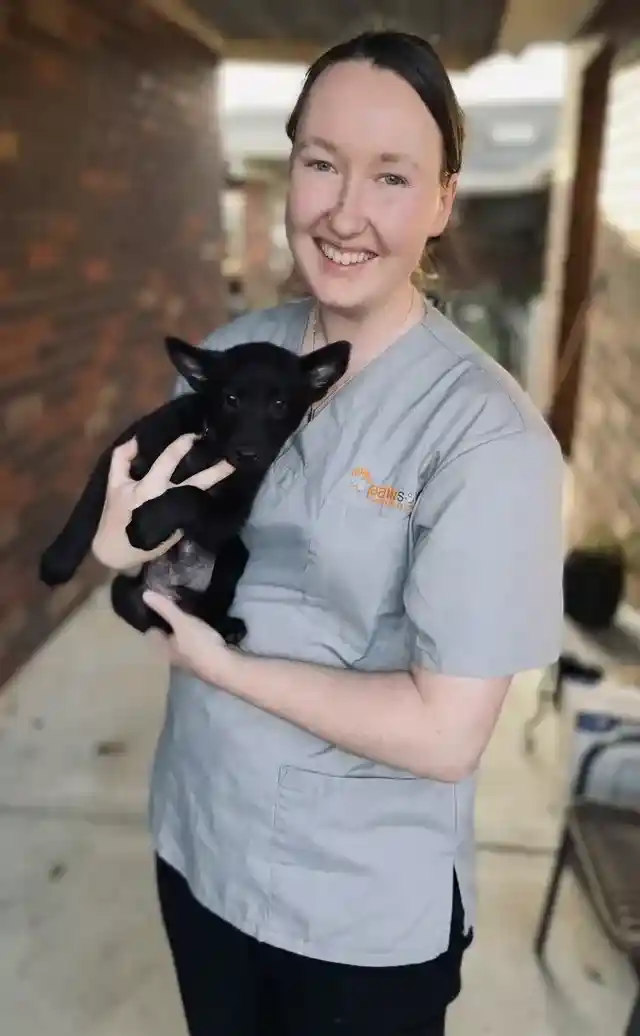
Dr Sarah Webb is a Melbourne-based veterinarian and Charles Sturt University graduate with experience across mixed practice, locum work, and mobile veterinary care. She has a special interest in poultry and backyard chicken health, alongside her work supporting dogs, cats, and other animals. Dr Sarah brings a practical, compassionate approach to veterinary care and is also passionate about mental health and wellbeing within the veterinary profession.
Our company
Open 7 days a week from 6:00am to 11:00pm including public holidays
© 2026 Pawssum Pty Ltd. All rights reserved.