Essential Facts About Ringworm in Dogs & Cats: Signs, Symptoms & Treatment
What are the essential facts about ringworm in dogs and cats, what symptoms should you look for, and how is it treated? ringworm in dogs and cats is a fungal infection that can cause patchy hair loss, scaling, and skin lesions, and it often needs veterinary treatment plus home hygiene measures to stop it spreading. This article explains the common signs of ringworm, how pets become infected, how vets confirm the diagnosis, and what owners need to know about treatment, cleaning, and preventing reinfection.
Understanding Ringworm in Pets
What Ringworm Actually Is
Ringworm is a contagious fungal infection caused by dermatophytes fungi that live on the skin surface. The most common species are:
- Microsporum canis
- Microsporum gypseum
- Trichophyton mentagrophytes
These fungi thrive in warm, humid environments and can survive for months on surfaces, bedding and grooming tools.
How Ringworm Spreads
Ringworm spreads through:
- Direct contact with an infected pet
- Contaminated environments (furniture, bedding, carpets, brushes)
- Shared spaces like shelters or grooming rooms
Because the fungus sheds through hair and skin flakes, even mild infections can contaminate large areas.
Risk Factors
Your pet is more likely to get ringworm if they are:
- Young (puppies & kittens)
- Elderly
- Long-haired
- Living in multi-pet homes
- Under stress
- Immunocompromised
Identifying Ringworm: Signs & Symptoms
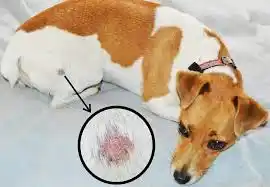
For visual clarity, here are real-world examples of what ringworm looks like in pets:
Early Symptoms in Dogs
Dogs may show:
- Circular patches of hair loss
- Red, scaly skin
- Brittle or broken hair
- Itching (but not always)
- Darkened or crusty patches
Early Symptoms in Cats
Cats often show:
- Small circular bald spots
- Grey, scaly dry skin
- Broken whiskers
- Patchy coat
- Mild itchiness
- Sometimes NO visible symptoms (common in kittens)
Advanced Symptoms
If untreated, signs may progress to:
- Widespread hair loss
- Severe crusting
- Oozing lesions
- Thickened skin
- Secondary bacterial infections
Cats especially long-haired breeds may hide symptoms until the infection is widespread.
Causes of Ringworm in Dogs & Cats
Fungal Species
Different fungi cause ringworm, and cats are most often infected by Microsporum canis which spreads easily across pets and humans alike.
Environmental Causes
The fungus can survive 12-18 months in:
- Bedding
- Carpet
- Furniture
- Grooming tools
Zoonotic Risk
Ringworm is zoonotic, meaning:
- Pets → humans
- Humans → pets
- Pets → pets
Children, elderly individuals, and immunocompromised adults are higher-risk.
Diagnosing Ringworm
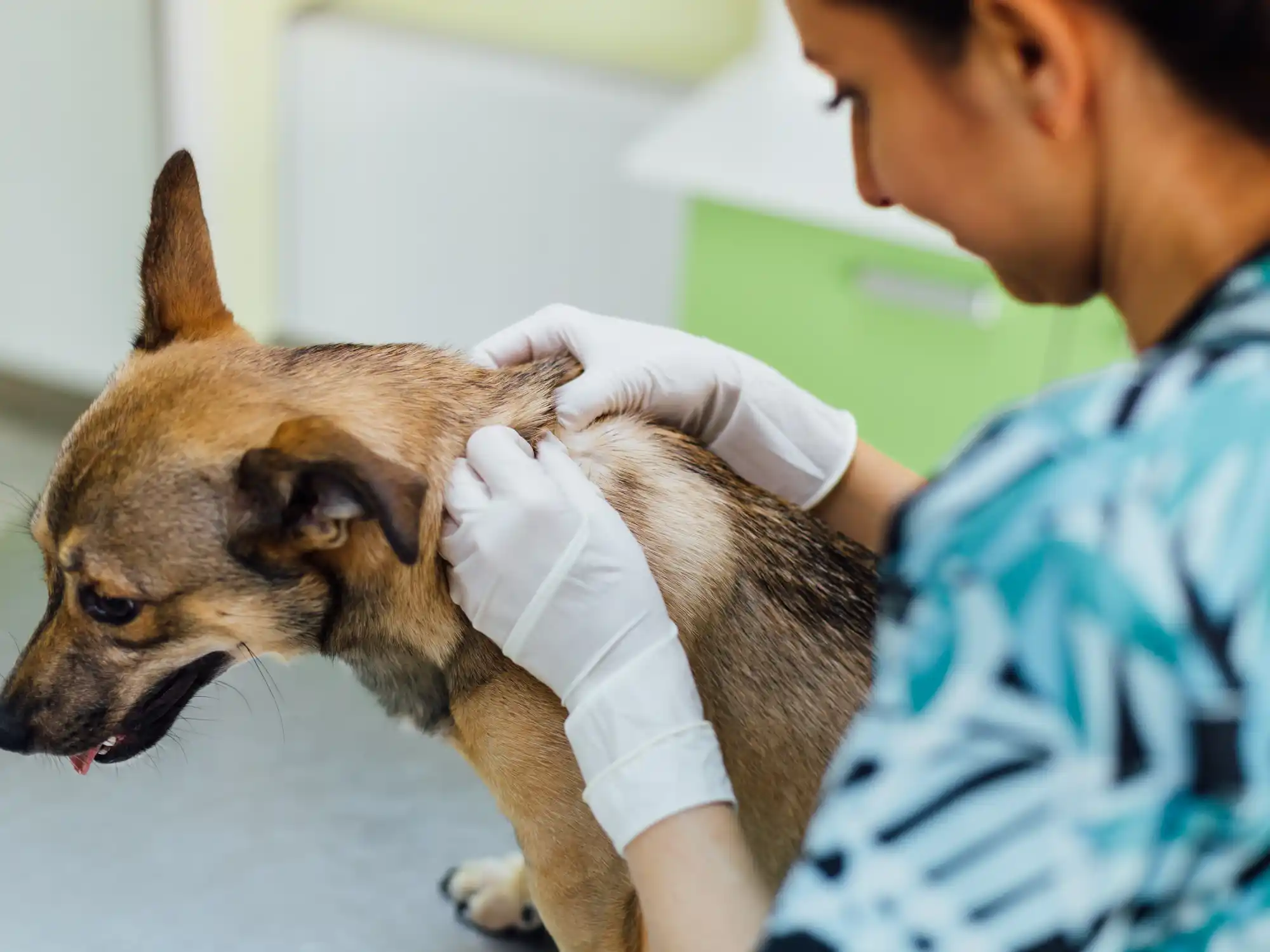
Vets use multiple tools to diagnose ringworm accurately.
Wood’s Lamp Examination
A special UV lamp that may show a yellow-green fluorescence on infected hairs though not all fungi glow.
Fungal Culture
The gold standard. Hairs are placed in a culture medium to confirm fungal growth.
PCR Testing
Quick, highly accurate test detecting fungal DNA.
Treatment Options for Dogs & Cats
Topical Treatments
Vets may prescribe:
- Antifungal shampoos
- Lime sulfur dips
- Medicated creams or ointments
These reduce surface fungi and limit spread.
Oral Medications
For more severe cases:
- Itraconazole
- Terbinafine
- Griseofulvin
These target fungal infection from within.
Environmental Cleaning
A MUST to prevent reinfection:
- Wash bedding in hot water
- Vacuum carpets & upholstery daily
- Disinfect surfaces with veterinary-recommended products
- Dispose of shed hair promptly
How Long Treatment Takes
Treatment typically takes:
- 4-8 weeks for mild cases
- 12+ weeks for severe infections
Patience and consistency are key.
Preventing Ringworm Spread in Multi-Pet Homes
Isolation Steps
Keep infected pets in a separate room if possible.
Cleaning & Disinfection
Clean high-touch surfaces:
- Floors
- Couches
- Pet bedding
- Litter boxes
- Grooming combs
Monitoring Other Pets
Check for:
- New bald spots
- Scaling
- Itching
Early detection prevents outbreaks.
When to See a Vet
Seek veterinary care if:
- Your pet has spreading bald patches
- The infection worsens despite treatment
- You have multiple pets
- A person in your home develops a rash
Children are especially vulnerable, so early treatment protects the whole family.
FAQs
1. Is ringworm painful?
Usually no but it may become itchy or inflamed.
2. Can ringworm go away on its own?
Rarely. Most pets need vet-directed treatment.
3. Can humans catch ringworm from pets?
Yes it is zoonotic.
4. How long until my pet is no longer contagious?
Usually after 1-2 weeks of consistent treatment, but depends on severity.
5. Should I shave my pet?
Only under veterinary direction shaving can worsen inflammation.
Conclusion
Ringworm in dogs & cats is highly contagious but very treatable. Early detection and treatment will go a long way to clearing up the infection.
If you think your pets have ringworm, contact your veterinarian to contain the spread and promote recovery.
By Dr Gayle Kothari - BVSc/DVM, registered veterinarian
Last updated on 21st May 2026
About the author


Dr Gayle Jasmin Kothari is a mobile vet in South Australia with over 10 years of experience in small animal medicine, surgery, and animal welfare. She is passionate about making home visit vet care more accessible and less stressful for pets and their families, with expertise in thoughtful in-home treatment, ongoing health support, and compassionate end-of-life care. https://www.linkedin.com/in/gayle-kothari/
Our company
Open 7 days a week from 6:00am to 11:00pm including public holidays
© 2026 Pawssum Pty Ltd. All rights reserved.