Do all dogs know how to swim?
7 Shocking Facts About “Do All Dogs Know How to Swim?”
(Myth-Busting Guide for Pet Owners)
Do all dogs know how to swim?
This is one of the most common questions that veterinarians and dog owners are asked. The answer to this question is a simple no. Despite the fact that there are countless pictures of dogs exhibiting the “doggy paddle,” not all breeds of dogs know how to swim.
For certain breeds, water can be a danger. A dog’s body structure, the length of its limbs, its fear of water, any medical conditions it may have, and its age can all have an impact upon whether or not a dog can swim.
In this article, we’ll discuss which breeds of dogs can swim, which breeds find it difficult to do so, and how to ensure the safety of your pets around water.
Understanding the Myth: Do All Dogs Know How to Swim?
Origins of the “Natural Swimmer” Belief
People often believe all dogs can swim because many instinctively paddle when lifted in water. However, paddling doesn’t guarantee buoyancy, stamina, or safety.
Why the Assumption Can Be Dangerous
Assuming your dog can swim can lead to:
- Accidental drowning
- Panic responses
- Exhaustion
- Inhalation of water
- Life-threatening emergencies
Just like humans, some dogs thrive in the water while others simply cannot stay afloat.
Breeds That Typically Struggle With Swimming
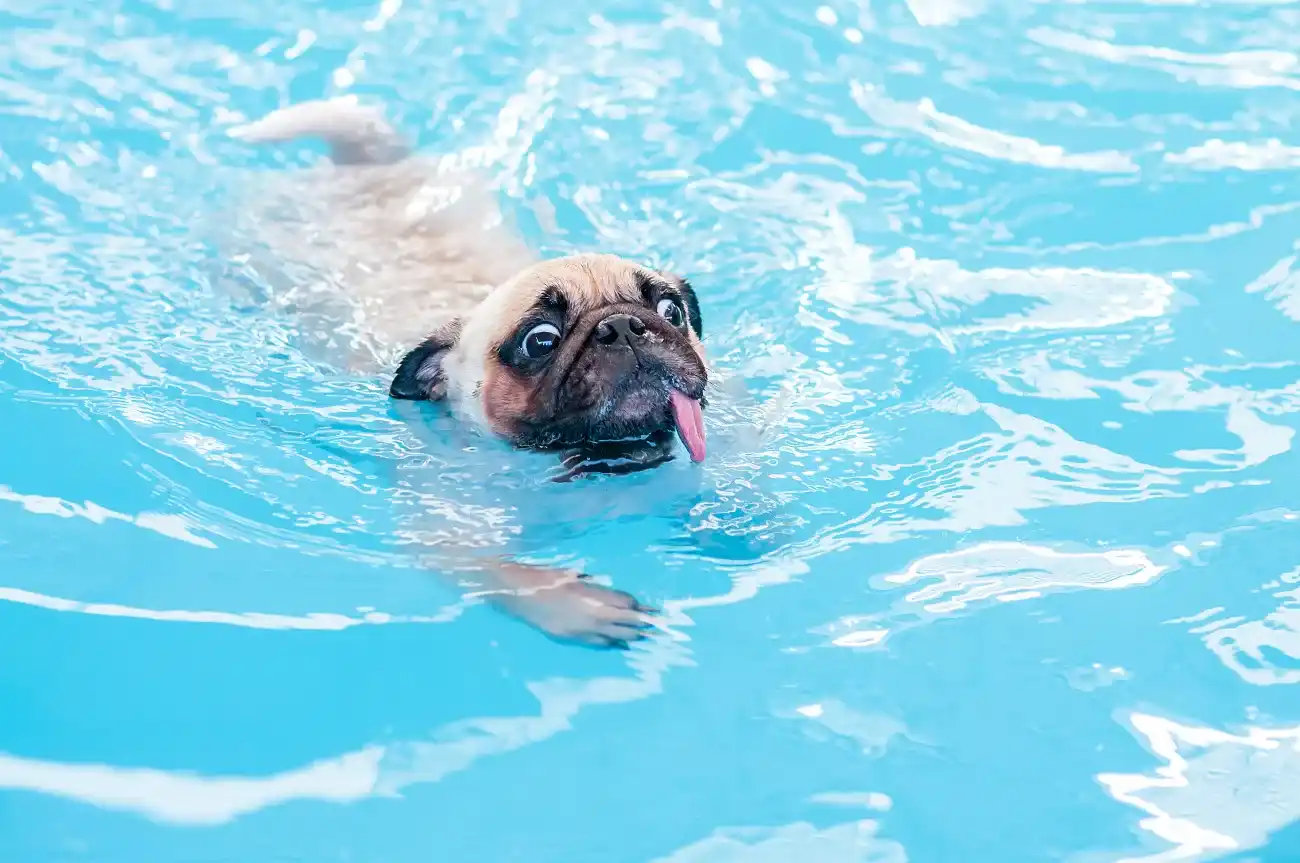
Flat-Faced Breeds: Pugs & Bulldogs
These breeds have short snouts, making breathing difficult during exercise. Their heavy chests and small hind legs make staying afloat extremely challenging.
Heavy-Chest Breeds: Boxers & Dobermans
Because they’re top-heavy and have strong muscle mass, they sink more easily than more buoyant breeds.
Short-Legged Breeds: Dachshunds & Corgis
Short legs mean limited paddling power. Their elongated bodies also throw off balance in the water.
Lean Breeds With Low Body Fat: Greyhounds & Whippets
Low body fat means low buoyancy. They tire quickly and often panic in deep water.
Breeds That Are Naturally Strong Swimmers
Newfoundlands
Built for water rescue, they have webbed feet, thick coats, and powerful muscles.
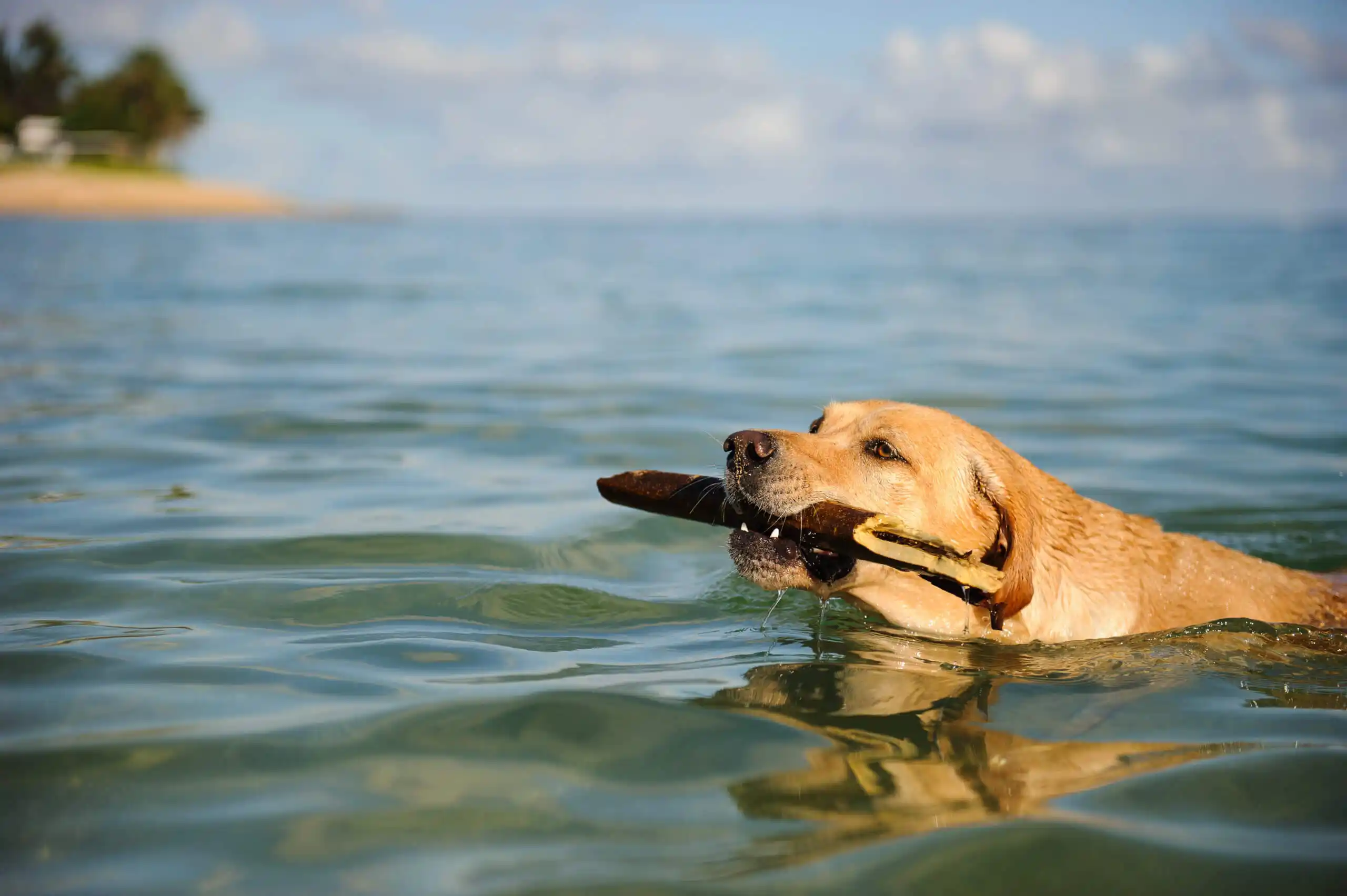
Labrador & Golden Retrievers
Bred for retrieving waterfowl, they excel at long-distance swimming.
Portuguese Water Dogs
Originally working alongside fishermen, they’re agile, confident, and water-ready.
Physical Factors That Affect Swimming Ability
Body Structure
Barrel-chested dogs float better than narrow-chested ones.
Fat Distribution & Buoyancy
More body fat = more natural flotation.
Limb Length & Strength
Long legs improve paddling power.
Age & Health
Senior dogs, arthritic dogs, or those with past injuries may struggle.
Behavioral Factors: Fear, Trauma & Confidence
Dogs With Water Phobias
Fear can override instinct and lead to panic, sinking, or refusal to enter water.
Negative Past Experiences
Almost-drowning incidents can create lifelong avoidance.
Early Socialization
Positive early exposures help dogs enjoy water confidently.
How to Safely Introduce Your Dog to Water
Step-by-Step Positive Exposure Method
- Start in shallow water
- Use treats and encouragement
- Support their belly initially
- Keep sessions short
- End with praise
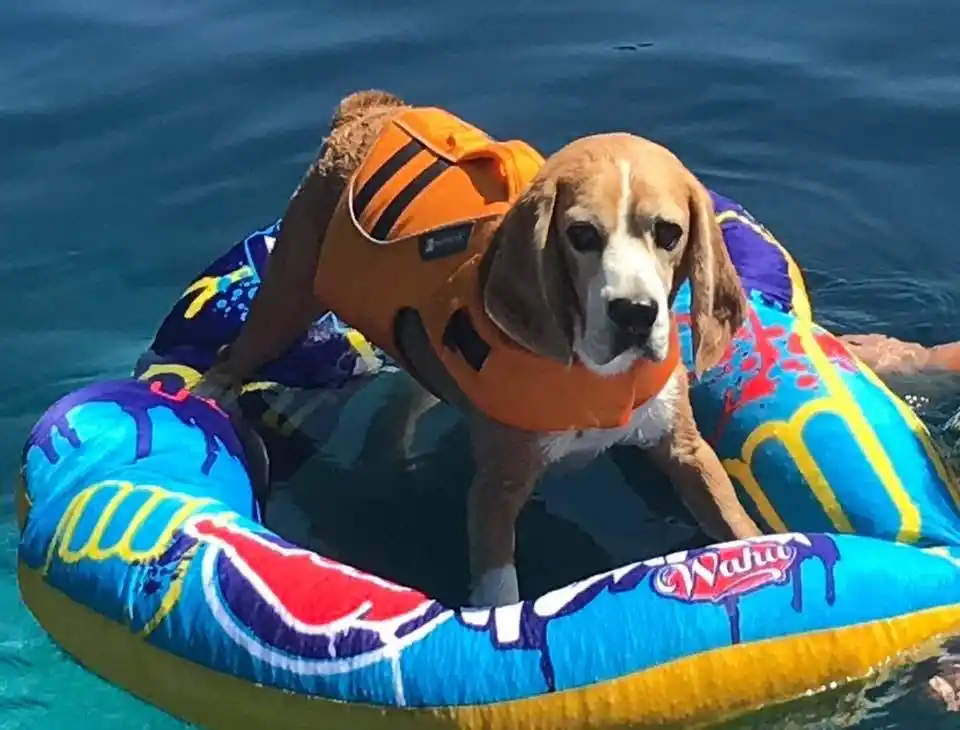
Use a Dog Life Jacket
They add buoyancy and allow dogs to build confidence safely.
Signs Your Dog Is Struggling
- Rapid paddling
- Sinking rear legs
- Panic
- Whining
- Stiff body posture
When Your Dog Should NOT Swim
Respiratory Issues
Flat-faced breeds may struggle to breathe even in shallow water.
Arthritis or Mobility Issues
Swimming may worsen pain or lead to exhaustion.
Heart Conditions
Strenuous swimming can be risky.
Essential Water Safety Tips
Pool Safety
Ensure exits are visible and teach your dog where steps are.
Beach & River Safety
Watch for strong currents, waves, and slippery rocks.
Supervision Guidelines
Treat dog swimming like child supervision: never look away.
FAQs
Can all dogs swim if taught?
No. Some breeds will never be strong swimmers due to anatomy.
Is swimming good exercise for dogs?
Yes, for most. It's low-impact and great for joints unless contraindicated.
Should my dog wear a life jacket?
Absolutely. Even strong swimmers benefit from added safety.
Can puppies swim?
Not safely until around 10–12 weeks, with supervision.
Are lakes and rivers safe for dogs?
Only if currents are calm and water quality is good.
What if my dog hates water?
Never force them. Gentle desensitization is best.
Conclusion
So, do all dogs know how to swim?
The answer is no. Yet, dog ownership requires the owner to know how to keep their pets safe. Knowing the breed, physical features, and personality of their dog will determine whether they enjoy the water or not.
By Dr Gayle Kothari - BVSc/DVM, registered veterinarian
Last updated on 17th April 2026
About the author


Dr Gayle Jasmin Kothari is a mobile vet in South Australia with over 10 years of experience in small animal medicine, surgery, and animal welfare. She is passionate about making home visit vet care more accessible and less stressful for pets and their families, with expertise in thoughtful in-home treatment, ongoing health support, and compassionate end-of-life care. https://www.linkedin.com/in/gayle-kothari/
Our company
Open 7 days a week from 6:00am to 11:00pm including public holidays
© 2026 Pawssum Pty Ltd. All rights reserved.