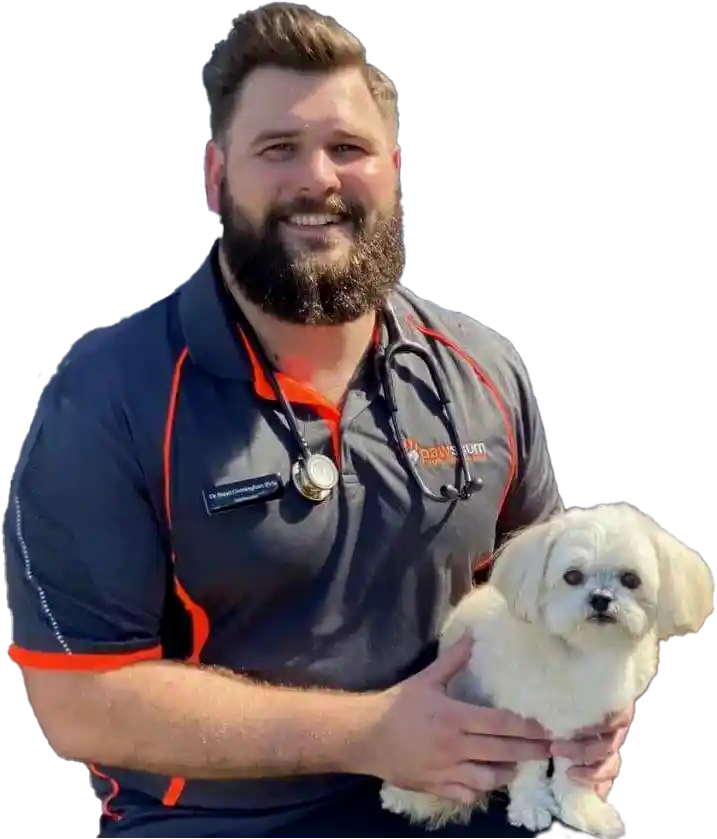
By Dr Sarah webb - BVSc, registered veterinarian, last updated on 14th November 2026
Quick answer: Ear infections are one of the most common reasons dogs see a vet, and allergies are the most common underlying cause. Signs include head shaking, scratching at the ears, redness, a bad smell and discharge. A vet needs to examine the ear canal to treat it properly, and preventing repeat infections means treating the cause and drying the ears after swimming... Read more
By Dr Olivia Kappel - BVSc/DVM, registered veterinarian, last updated on 14th November 2026
Quick answer: FLUTD is a group of conditions affecting a cat's bladder and urethra, ranging from mild bladder inflammation to a life-threatening blockage. Signs include straining, frequent small wees, blood in the urine and weeing outside the litter tray. A male cat that is straining but passing little or no urine is an emergency and needs a vet straight away... Read more
By Dr Sarah webb - BVSc, registered veterinarian, last updated on 14th November 2026
Quick answer: Some procedures can be safely performed at home, but many cannot and shouldn’t. The longer answer matters far more, because it’s about safety, sterility, pain control, and knowing when a clinic environment is essential. A question we’re asked often usually by worried pet owners trying to avoid the stress of a clinic visit:“Can a mobile vet do surgery at home?”As mobile veterinarians, our responsibility is not to do everything at home it’s to do the right things at home... Read more
By Dr Sarah webb - BVSc, registered veterinarian, last updated on 14th November 2026
Quick answer: Mobile vet work with Pawssum gives Australian vets flexible schedules, more clinical freedom and less admin, because Pawssum handles bookings, payments and customer service. Vets see varied cases and help pets and owners who struggle to get to a clinic, and many find mobile practice eases the burnout that is common in clinic work. Introduction to Modern Veterinary CareersThe veterinary field is evolving quickly... Read more
By Dr Sarah webb - BVSc, registered veterinarian, last updated on 14th November 2026
Quick answer: Preparing your pet for end of life starts with understanding their quality of life and talking to your vet early. Keep them comfortable, involve the family, decide whether to say goodbye at home or in a clinic, plan aftercare in advance and, if you can, give them a special last day. Look after yourself afterwards too... Read more
By Dr. Jessica Goh - BVSc/DVM, registered veterinarian, last updated on 14th November 2026
Quick answer: How early to prepare depends on the trip. Moving a pet to Australia from overseas needs at least six months. For a holiday, update vaccinations about six weeks ahead, book airline health checks two to three weeks out and do final checks in the last week... Read more
By Dr. Jessica Goh - BVSc/DVM, registered veterinarian, last updated on 14th November 2026
Quick answer: The most common Cavoodle health issues are ear infections, skin allergies, dental disease, joint problems such as patellar luxation, tummy upsets and inherited heart conditions like mitral valve disease. Cleaning and drying their ears, regular dental care, keeping them at a healthy weight and routine vet checks help prevent most of these or catch them early. Ear InfectionsDue to their floppy ears, cavoodles are prone to getting ears infections as their ears don’t get enough airflow... Read more
By Dr. Jessica Goh - BVSc/DVM, registered veterinarian, last updated on 14th November 2026
Quick answer: Yes, a mobile vet can usually take a blood sample from your dog or cat at home and send it to a lab. Blood tests help find problems that cannot be seen during an examination, and can sometimes pick up disease early. Testing at home is often less stressful, especially for older cats and anxious pets... Read more
By Dr. Jessica Goh - BVSc/DVM, registered veterinarian, last updated on 14th November 2026
Quick answer: Yes, a mobile vet can treat many serious conditions at home, not just routine care. Pawssum vets carry medication for common problems and can examine, diagnose and treat many unwell pets in their own home. Anything that needs hospital equipment, surgery or intensive care goes to a clinic, and Pawssum helps coordinate that referral... Read more
By Dr Olivia Kappel - BVSc/DVM, registered veterinarian, last updated on 14th November 2026
Quick answer: Diabetes in dogs means the body cannot control blood sugar properly. The main signs are drinking and weeing more, eating more and losing weight, and it is most common in middle-aged and older dogs. A vet diagnoses it with testing, and treatment involves insulin injections twice a day with regular monitoring... Read more